
Light
Bright Indirect Light
Prefers bright, indirect light; shield from harsh afternoon summer sun.
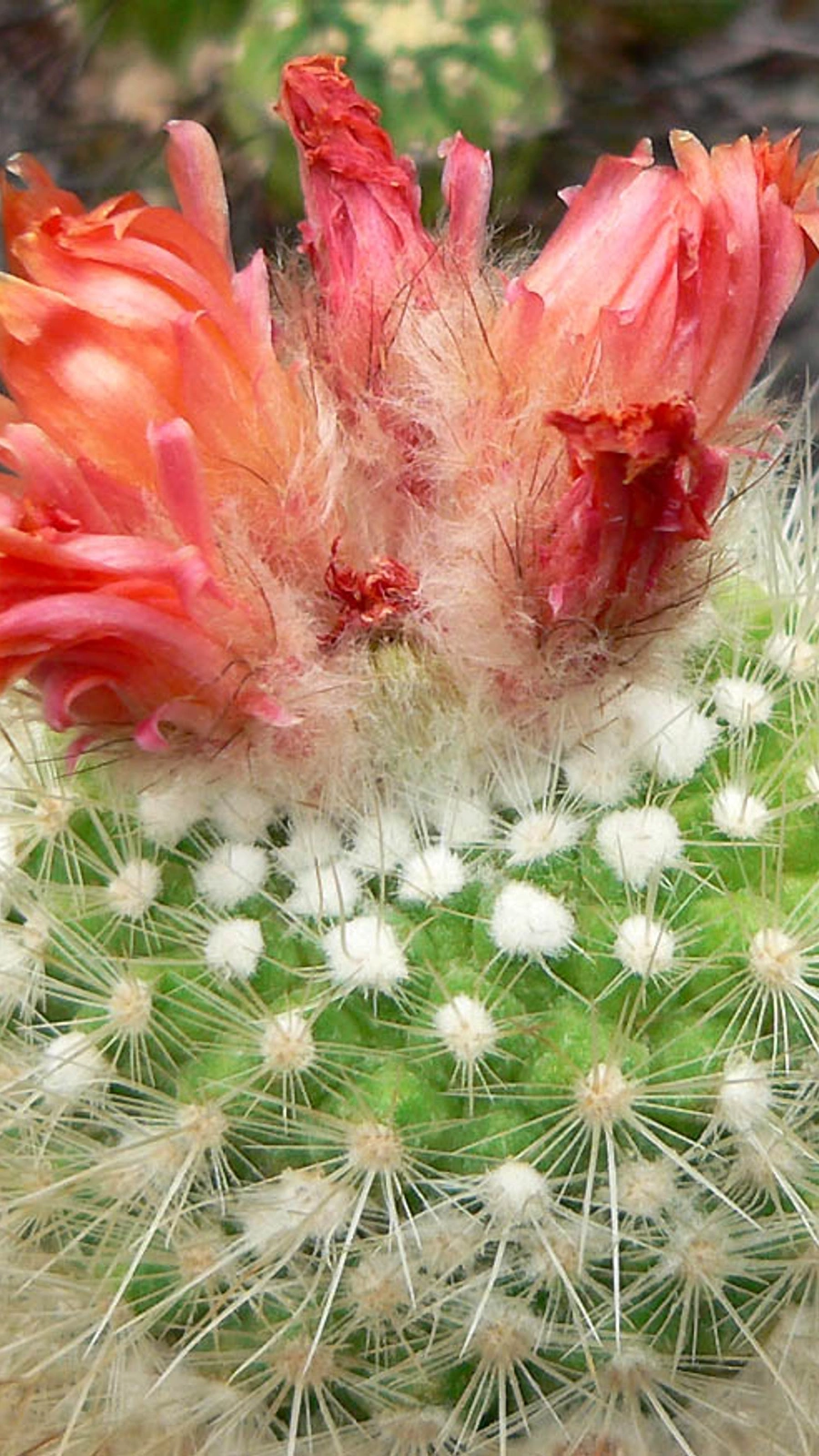
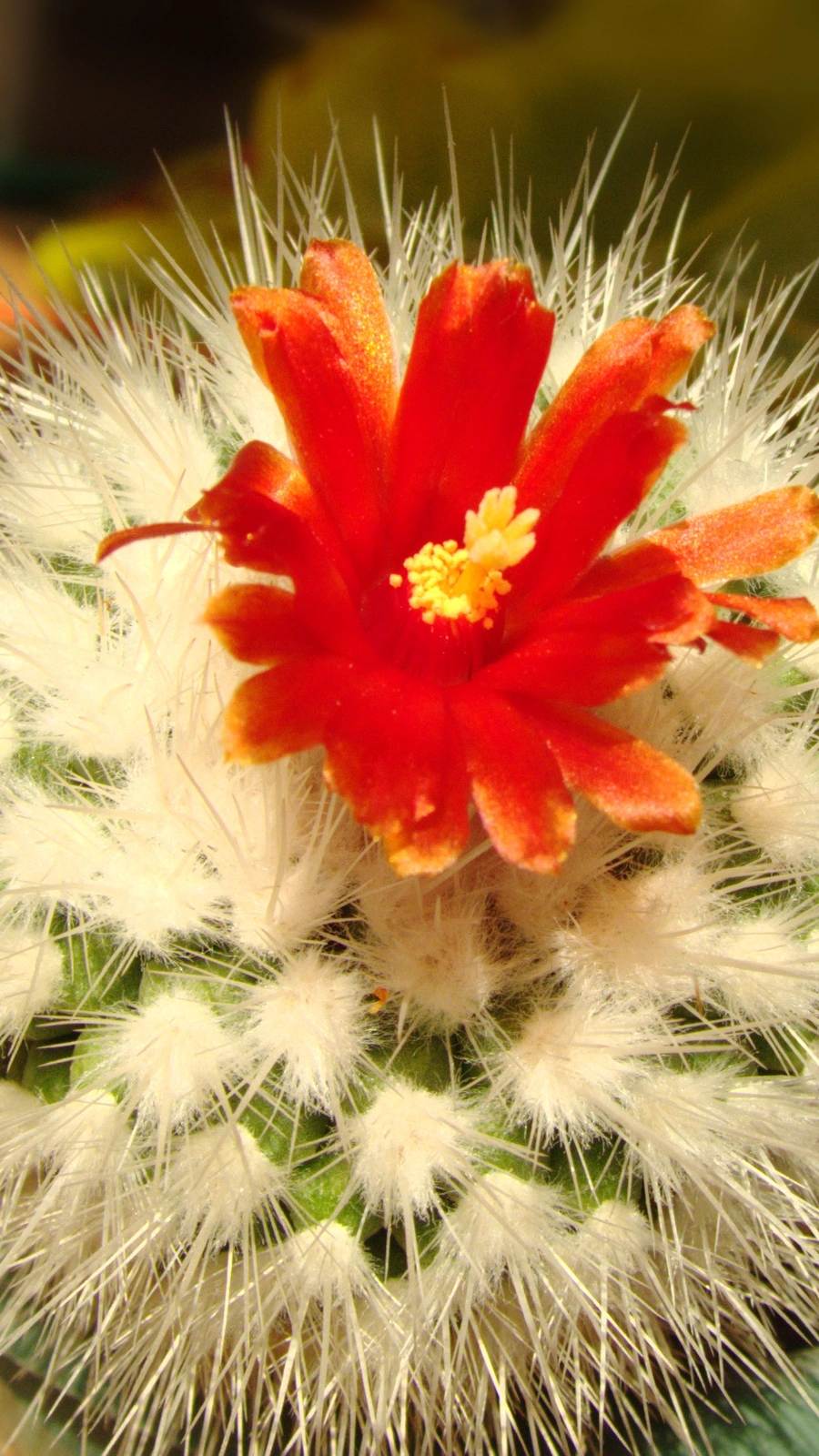
Snowy Ball Cactus
Notocactus nivosus, widely recognized as Parodia nivosa, is an exceptionally attractive species within the Cactaceae family. Renowned for its dense covering of snow-white spines, this cactus presents a striking snowy appearance. It is highly prized by collectors for the vivid contrast between its pristine white armor and its bright yellow blossoms 1.
While taxonomists frequently group this species under the broader genus Parodia, it retains its classic classification as Notocactus in many horticultural circles. The specific epithet "nivosus" translates from Latin to "snowy" or "full of snow," referencing the dense, white radial spines that cover its stem 2.
Native to Southern America, particularly Uruguay and the border regions of Southern Brazil, this cactus thrives on rocky hillsides, dry grasslands, and sandy mineral soils. It has adapted beautifully to well-drained, dry microclimates with distinct wet and dry seasons 1.
This cactus features a globose to short cylindrical dark green stem that can slowly clump with age. The ribs are prominent and lined with closely spaced areoles. From these areoles arise numerous fine, interlocking, snowy-white spines. In late spring and summer, funnel-shaped, vibrant lemon-yellow flowers emerge from the crown 2.
In cultivation, Notocactus nivosus is highly resilient. It prefers bright, indirect sunlight or filtered morning sun. A gritty, mineral-heavy substrate with excellent drainage is vital. Watering should follow the soak-and-dry method during spring and summer, while moisture must be strictly minimized during winter rest 1.
The most prevalent issue is root rot triggered by overwatering or compacted soil. Keeping the cactus in a warm, dark room during winter prevents it from entering dormancy, which often results in weak growth and a lack of spring flowers.
Prefers bright, indirect light; shield from harsh afternoon summer sun.
Water thoroughly only when the soil is completely dry. Reduce significantly in winter.
Highly porous, mineral-based cactus mix with plenty of pumice and coarse sand.
Non-toxic, but handle with care as the dense white spines can prick skin.
Very easy to maintain, making it ideal for novice cactus growers.
Found on dry, rocky outcroppings and sandy hill slopes in southern South America, specifically within Uruguay.
