
Mammillaria heyderi
Mammillaria heyderi
Mammillaria heyderi
Mammillaria heyderi Muehlenpf. is treated as an accepted taxon in Plants of the World Online.1
The current source-backed classification places it in Cactaceae within Mammillaria.12
Its recorded native range/source remark is MXEAG, MXECU, MXTTB, NWMOO, MXEGU, MXNBS, ARIOO, MXTCI, MXT, NORTHERNAMERICA, MXEDU, NWM; SE. Arizona to SW. Oklahoma and N. Mexico.1
POWO records the plant context as succulent subshrub, desert or dry shrubland.1
This is a source-populated draft intended for later Kaktus Doktoru editorial rewriting; care advice and morphology should be reviewed before publication.
References
- Plants of the World Online. "Mammillaria heyderi Muehlenpf.". Royal Botanic Gardens, Kew. Accessed: 2026-06-10. https://powo.science.kew.org/taxon/urn:lsid:ipni.org:names:134685-1 ↩
- GBIF Secretariat. "Mammillaria heyderi". GBIF Backbone Taxonomy. Accessed: 2026-06-10. https://www.gbif.org/species/5384021 ↩
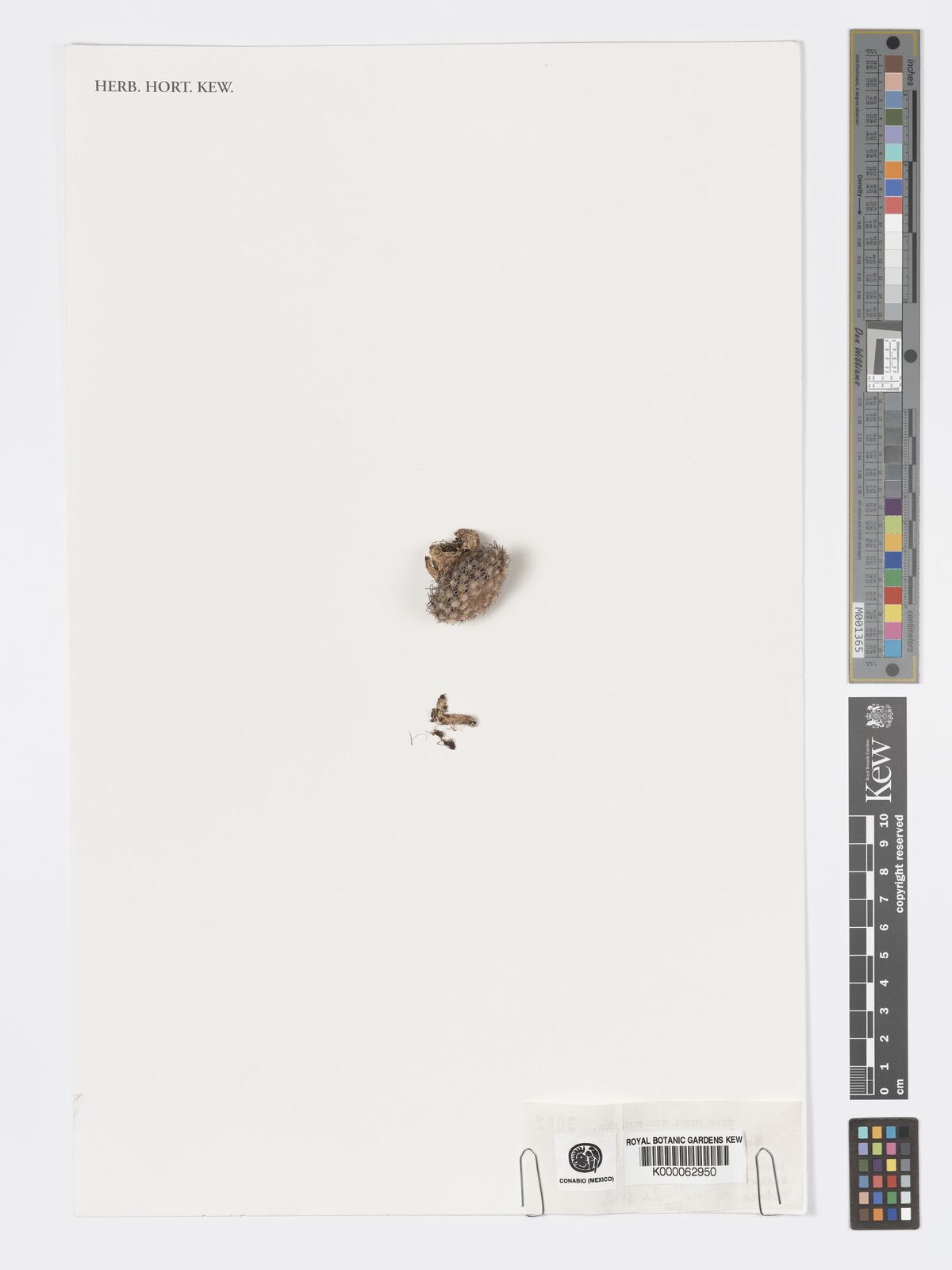
Plants In This Group
Mammillaria heyderi
Mammillaria heyderi
Mammillaria heyderi, a prominent member of the Cactaceae family, is a flattened-globose cactus species that typically grows low to the ground 1. It is often referred to as the "pancake cactus" due to its distinctive shape.
Taxonomy and Naming
First described in 1848, this species bears the classic traits of the Mammillaria genus. Synonyms include Cactus heyderi 2.
Distribution and Habitat
It is native to northern Mexico and the southwestern United States, including Texas, Arizona, and New Mexico 1. It thrives in desert habitats and dry shrublands, often sheltered under nurse plants.
Appearance
The stem is depressed-globose, nearly level with the soil in winter. Areoles carry cream-to-brown spines. In spring, it produces cream, pink, or white flowers, followed by bright red, edible fruits.
Cultivation and Care
This cactus prefers highly well-draining sandy and pumiceous soils. It requires minimal watering and is remarkably cold-hardy if kept dry. Bright, filtered sun promotes robust growth 2.
Common Care Mistakes
Overwatering during the winter dormancy period is the most common cause of root rot. Lack of sufficient light leads to etiolation, causing the flattened stem to stretch and weaken.