
 Reference image
 Reference image
Aporocactus flagelliformis
Rat-tail Cactus
Aporocactus flagelliformis: The Uniquely Beautiful Rat Tail Cactus
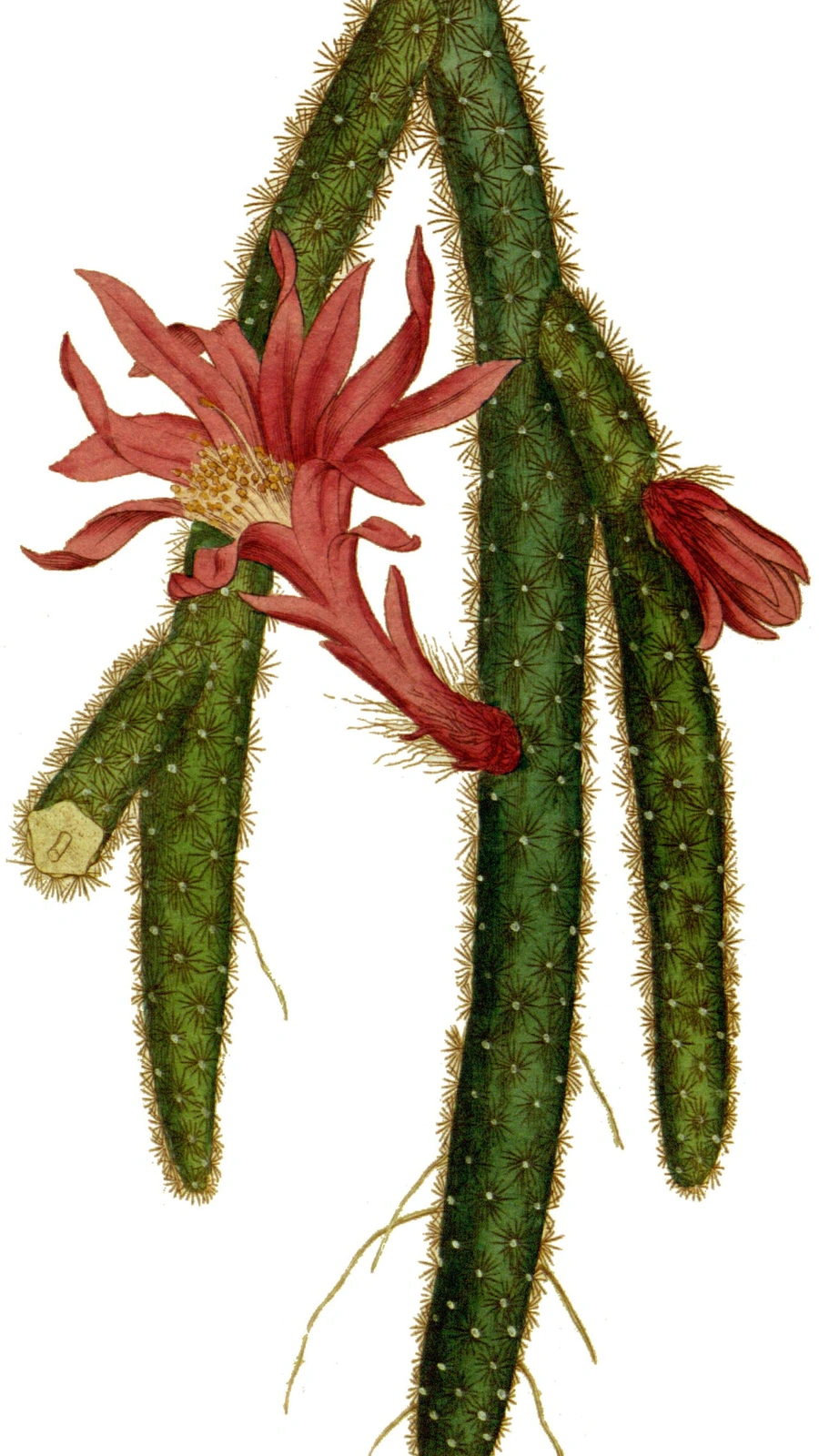
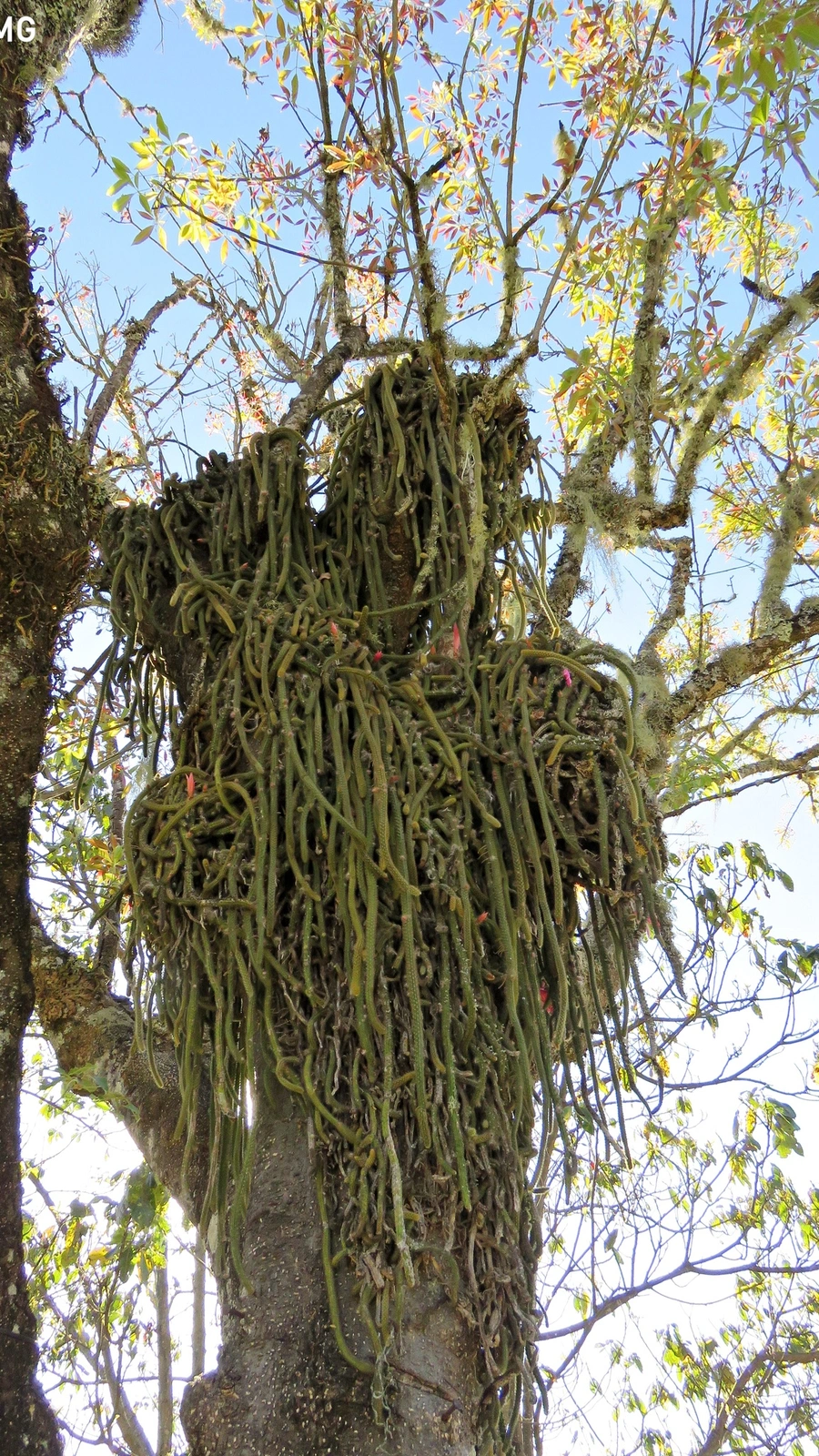
From Kaktüs Doktoru, introduce an exotic touch to your home or office with Aporocactus flagelliformis, commonly known as the Rat Tail Cactus. This species is famous for its long, slender, and trailing stems, taking its name from their resemblance to a rat's tail. Its striking pink or reddish flowers, typically blooming in spring, add an extra layer of charm to this intriguing cactus.
Why Choose the Rat Tail Cactus?
- Unique Appearance: Stands out with its cascading habit, differing from typical cactus forms. It looks magnificent in hanging baskets or on high shelves.
- Easy Care: It's remarkably easy to care for, even for beginner plant enthusiasts. It thrives quickly when basic cactus care principles are followed.
- Abundant Blooms: Under the right conditions, it offers a visual feast with its vibrant flowers blooming in spring.
- Resilient Nature: Possessing the general hardiness of cacti, it makes a long-lasting plant companion.
Add natural elegance and color to your living spaces with Aporocactus flagelliformis. This special cactus will become an indispensable part of your collection, offering both aesthetic and practical advantages.
Optimal: 22 °C
Requires bright, indirect or filtered sunlight. Avoid direct, intense afternoon sun which can scorch the stems.
A rich, well-draining potting mix with added organic matter, perlit, and coarse sand.
Water regularly from spring to autumn, allowing the top soil to dry. Keep almost completely dry in winter.
Moderate difficulty. Needs a cool winter period to trigger its famous spring blooming cycle.
Frequently Asked Questions
How often should I water my Rat-tail Cactus?
Why is my Rat-tail Cactus not blooming?
Is it toxic to pets?
What kind of soil mix should I use?
How fast does the Rat-tail Cactus grow?
Should it receive direct sunlight?
How do you propagate a Rat-tail Cactus?
Why are the stems growing thin and pale?
When should I repot my Rat-tail Cactus?
Why is my Rat-tail Cactus getting brown spots?
Reviews
There are no reviews for this product yet.
Recently Viewed
Care reminder list
Get seasonal care reminders for this product at your preferred frequency. You can change the email address below and unsubscribe from any reminder email.
