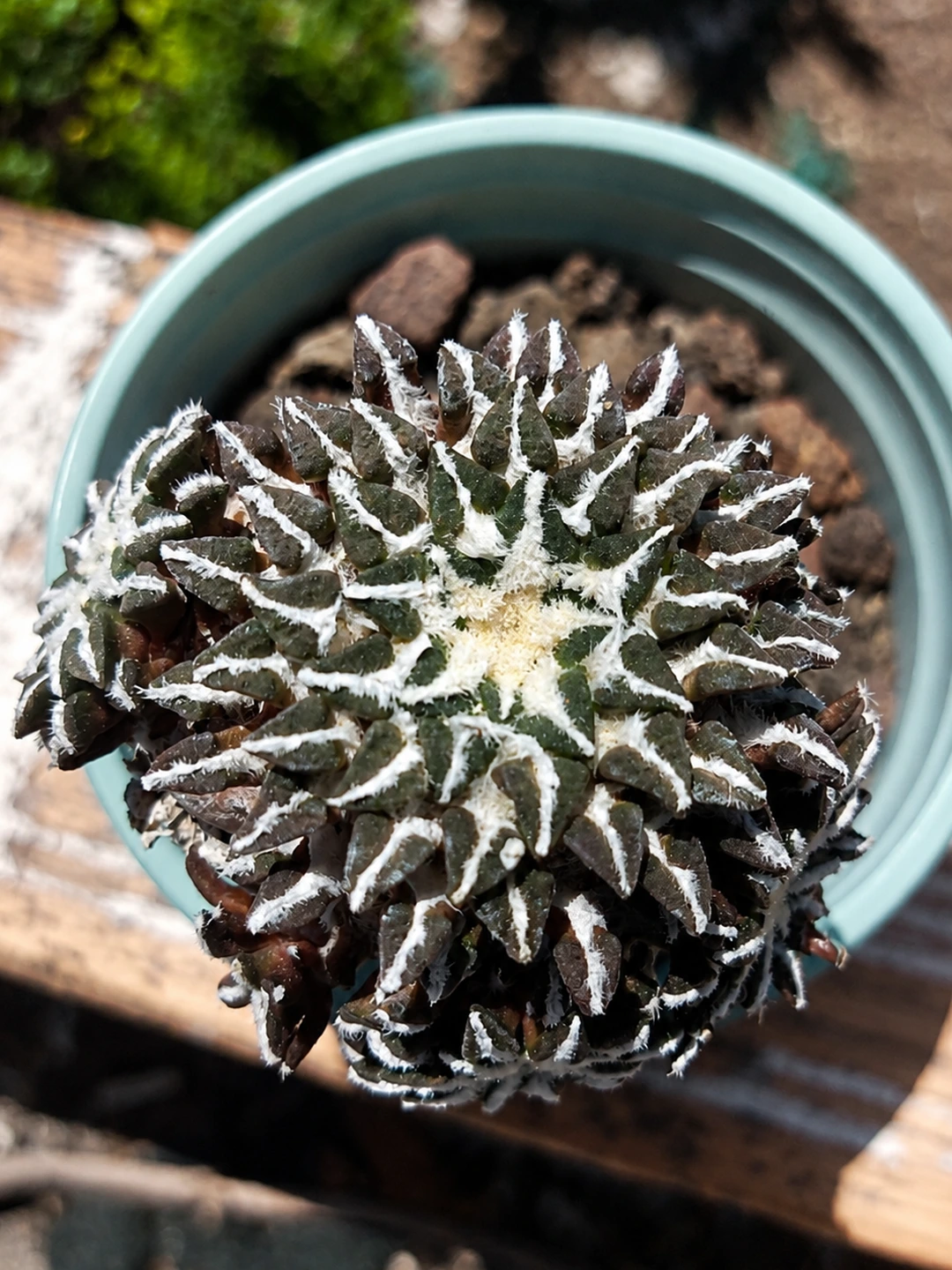
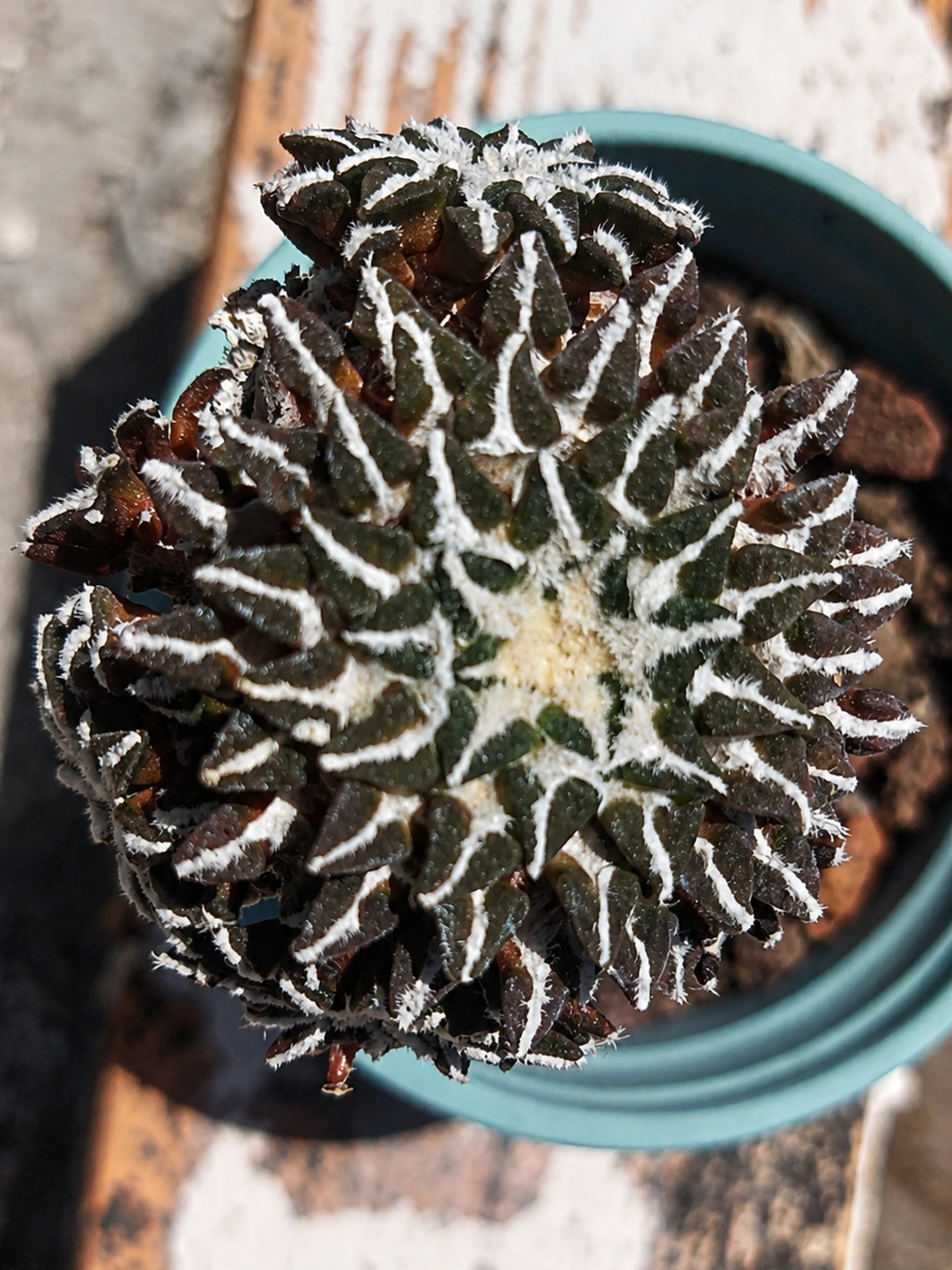
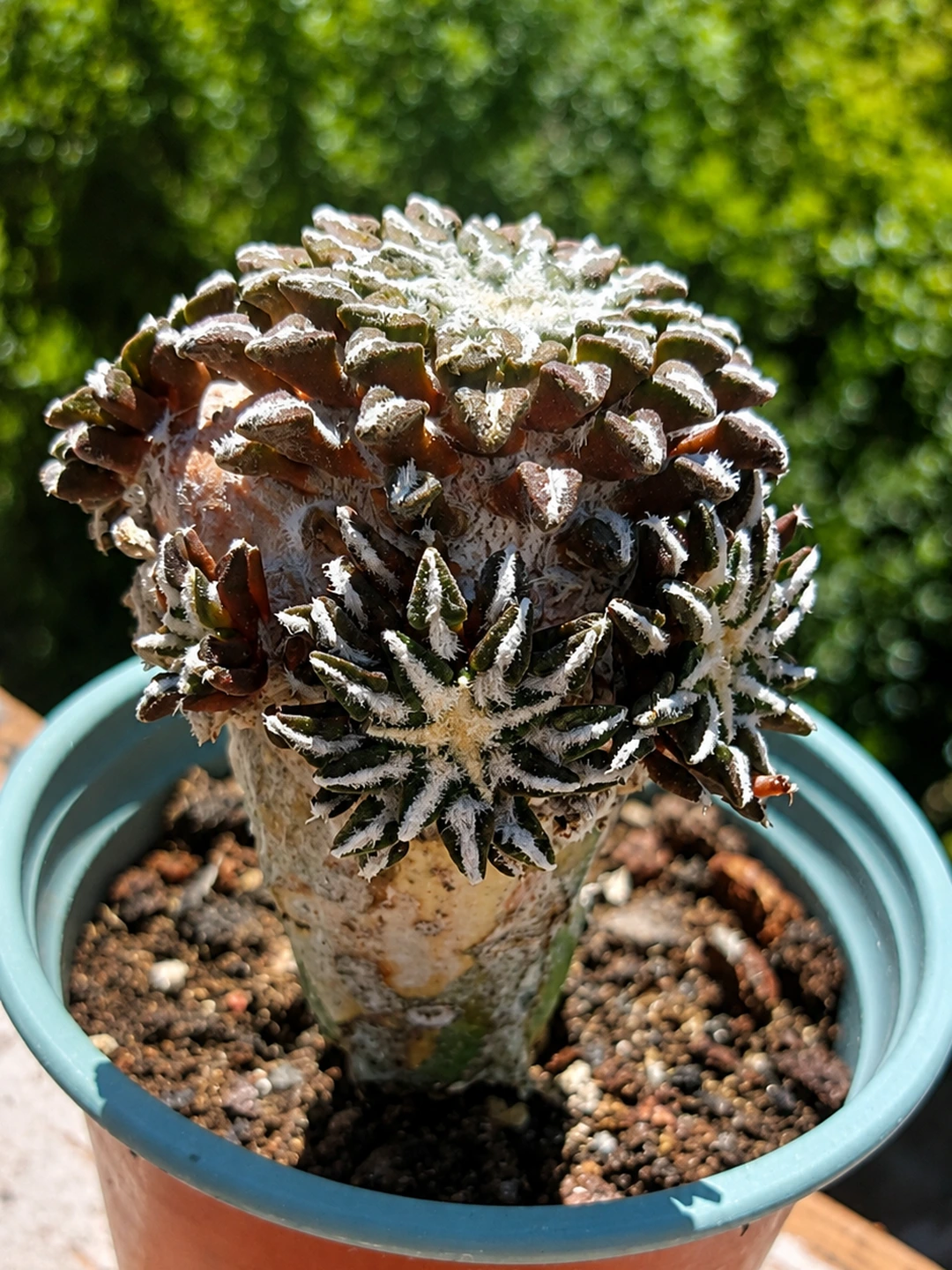
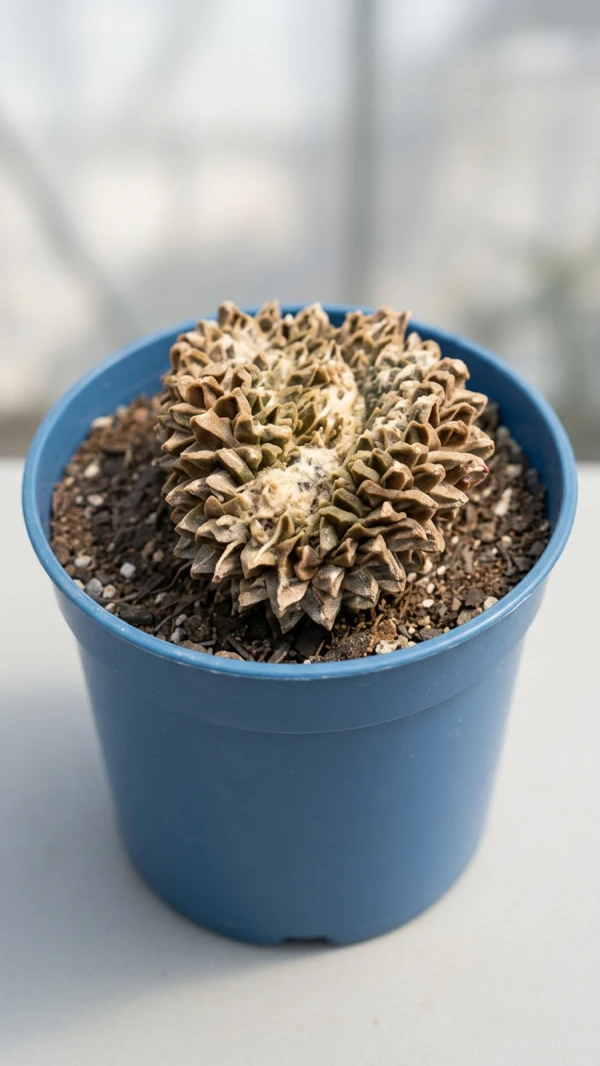
KD_ARIOCARPUS_KOTSCHOUBEYANUS_001

Ariocarpus kotschoubeyanus

TRY 4,290
In Stock

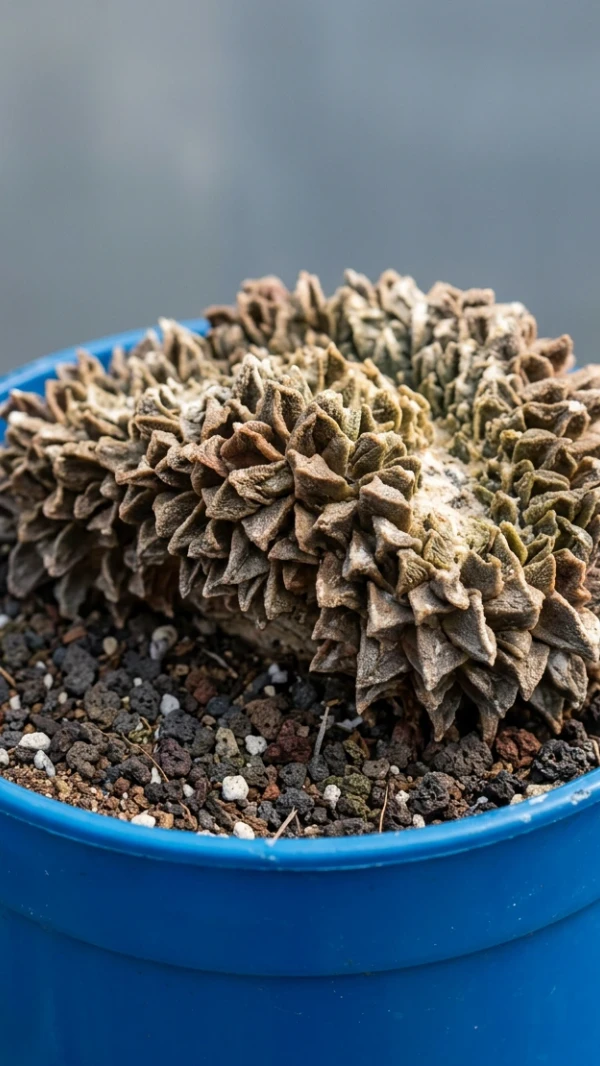
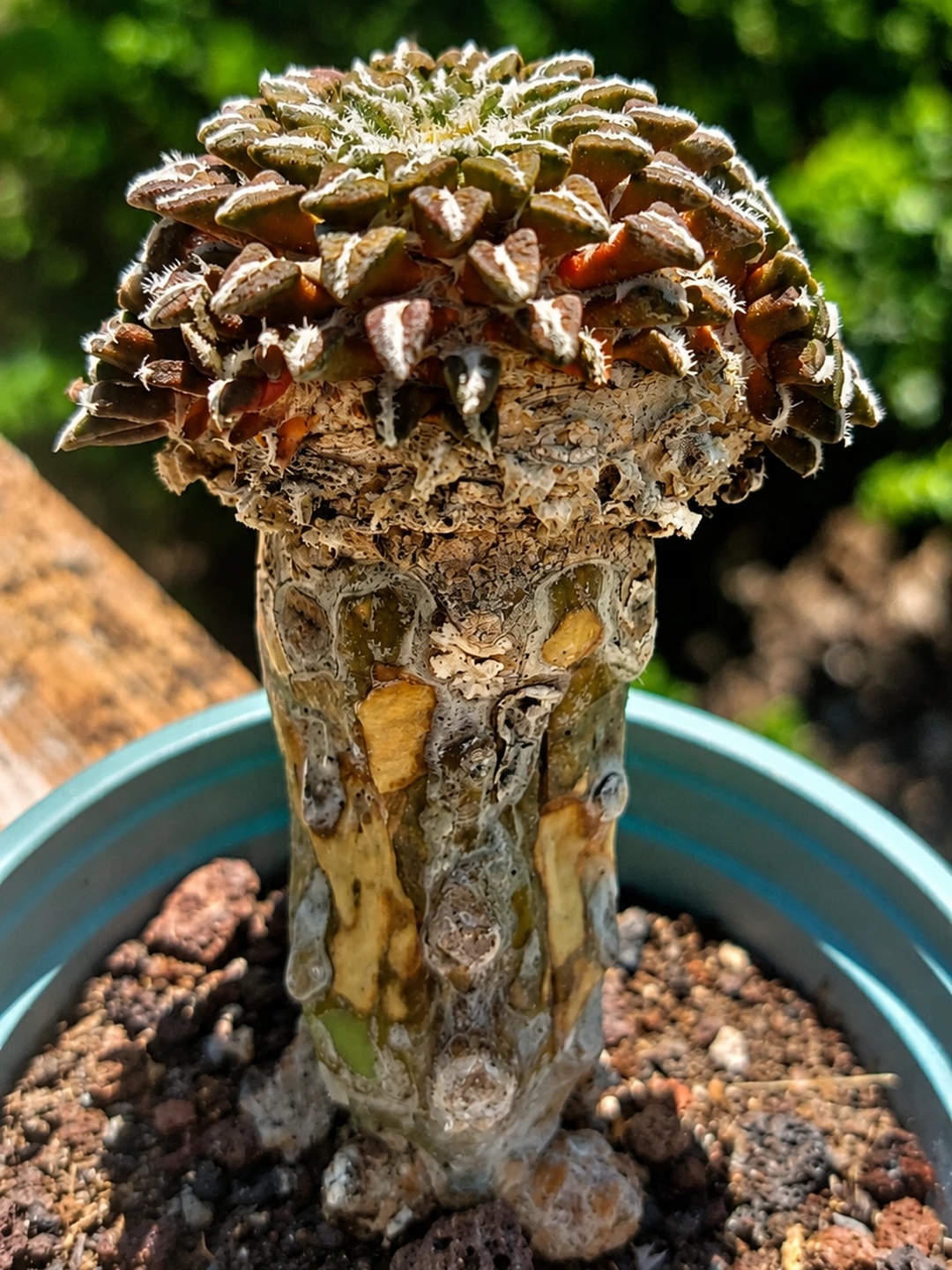
Ariocarpus kotschoubeyanus: A highly prized and rarely found species among cactus collectors, known for its unique and mesmerizing appearance. This cactus is a true wonder of nature, recognized for its slow growth and cryptic presence in its natural habitat. Its rosette-like growth, often sunken into the soil, and fleshy, triangular tubercles distinguish it from other cacti.

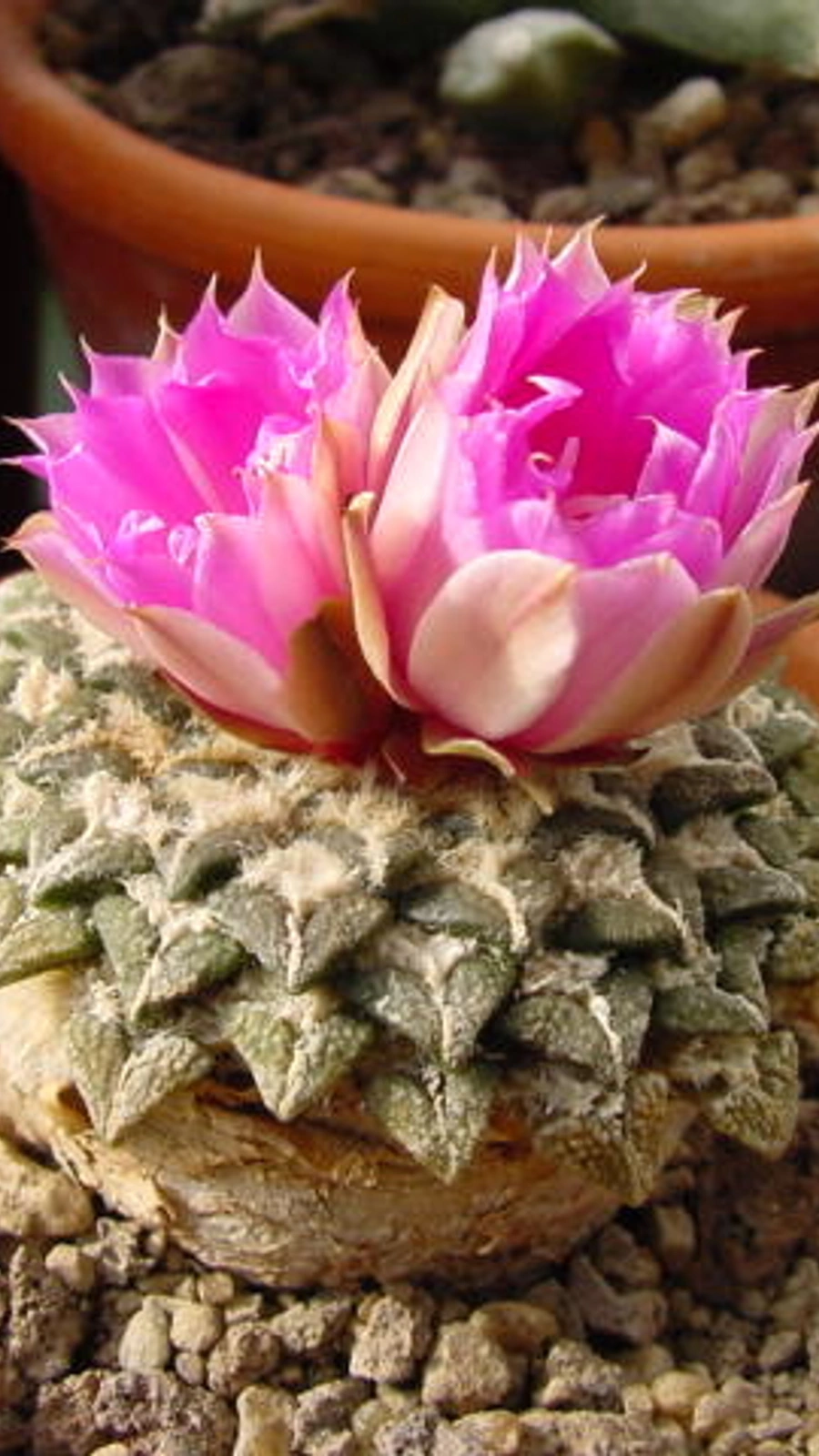
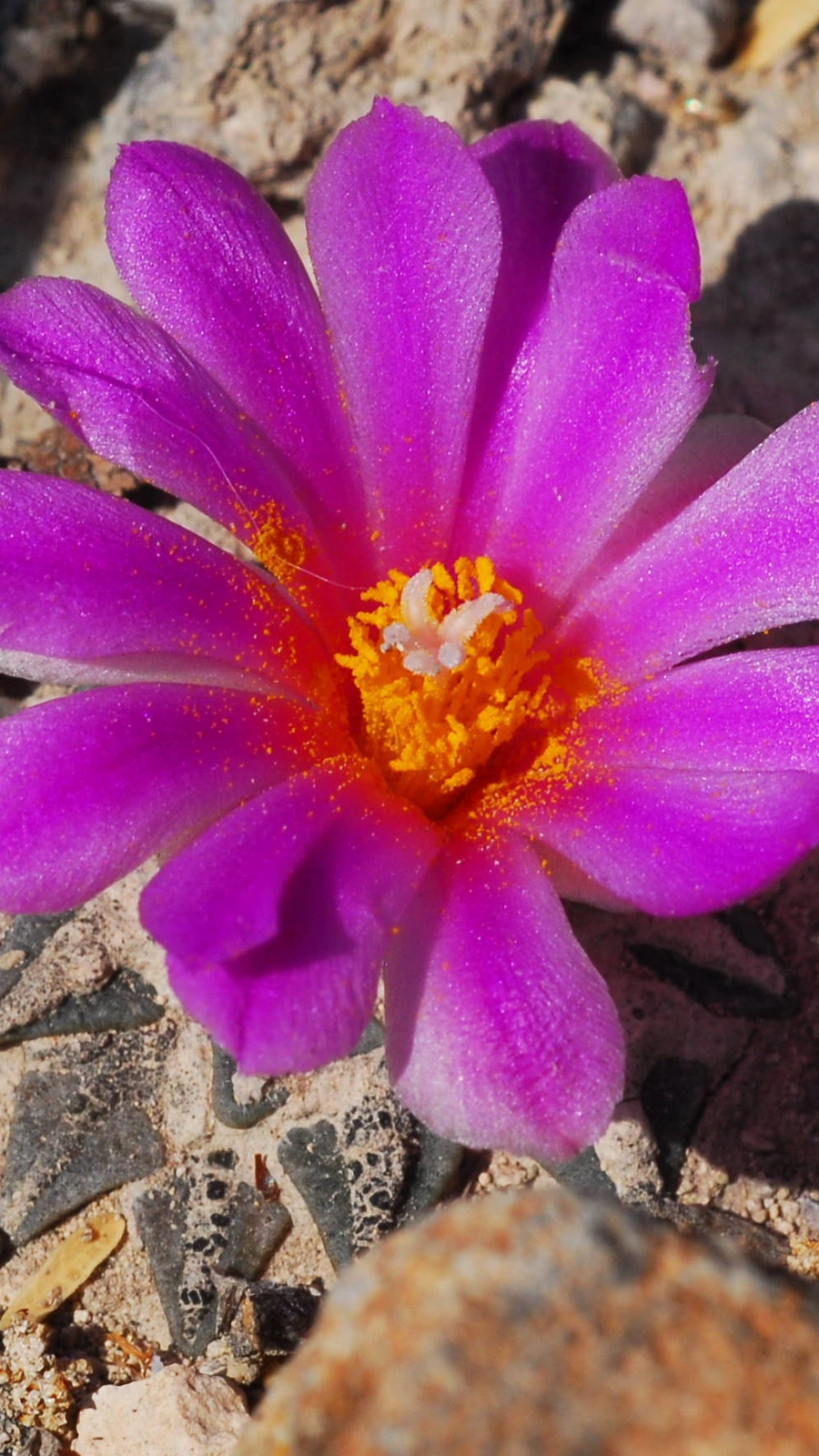
This special cactus offers a genuine challenge to experienced collectors, not only with its aesthetic beauty but also with its demanding care requirements. When provided with the correct conditions, it rewards with stunning pink or magenta flowers, typically blooming in the autumn. Ariocarpus kotschoubeyanus will become one of the most valuable additions to your collection with patience and dedicated care.

  • Rare Species: A true treasure for collectors.
  • Unique Morphology: Flat, triangular tubercles and a mysterious appearance.
  • Flowering: Rewards with pink/magenta blooms under suitable conditions.
  • Collector's Value: Elevates the prestige of your cactus collection.
Free Shipping
Temperature
7-40 °C

Optimal: 25 °C

Light
Direct Sun

Requires ample bright, direct sunlight. Morning sun or filtered light is often preferred over harsh midday direct sun, especially during summer.

Soil
Very well-draining, mineral-rich cactus soil

Use a very well-draining, mineral-based cactus and succulent mix, high in pumice, perlite, and coarse sand. Terracotta pots are ideal.

Water
15-60 Days

Water deeply when the soil has completely dried out, and allow it to dry out thoroughly before the next watering. Almost no water is needed during winter dormancy.

Difficulty
Hard

Due to its rarity and specific care requirements, it is considered an expert-level cactus, particularly concerning its watering regimen.

Frequently Asked Questions

What is the best pot and soil mix for Ariocarpus kotschoubeyanus?
Choose a clay or terracotta pot that provides **excellent drainage**. The soil mix should be **highly mineral-based**, ideally composed of pumice, perlite, lava rock, and a minimal amount of peat. Keep organic matter content low.
How often should I water this cactus?
Water deeply **when the soil has completely dried out** during summer (approximately every 15-20 days). During winter and dormancy, reduce watering almost entirely (once a month or less). Overwatering leads to root rot.
How much light does Ariocarpus kotschoubeyanus need?
It prefers **plenty of bright, direct sunlight**. However, protecting it from the harshest midday sun during summer can prevent scorching. Light afternoon shade is ideal.
When does Ariocarpus kotschoubeyanus bloom?
It typically blooms in the **autumn months**, especially September and October. The flowers are short-lived but beautifully vibrant.
How fast does this cactus grow?
Ariocarpus kotschoubeyanus is a **very slow-growing species**. Annual growth is typically measured in millimeters, making it a special plant for patient collectors.
What temperatures can it tolerate in winter?
It is sensitive to frost. It is recommended to keep it around **at least 7°C (45°F)** in winter. While it might tolerate brief periods down to 0°C (32°F) if kept dry, it is risky.
What pests or diseases should I be aware of?
The biggest issue is **root rot**; avoid overwatering. Cactus mealybugs and spider mites can occasionally appear. Most problems can be prevented with good ventilation and proper watering.
Is Ariocarpus kotschoubeyanus safe for pets?
It is generally **not considered toxic**, but cacti can be fibrous or hard, potentially causing digestive upset if ingested by pets. It's best to keep them out of reach.
How is this cactus propagated?
Propagation from seed is possible but **very slow and challenging**. It's usually done by experienced growers and rarely by cuttings (from offsets). Grafting is also a preferred method for faster growth.
Why might my cactus not be blooming?
Reasons for not blooming often include insufficient light, incorrect watering regimen (especially during winter dormancy), nutrient deficiency, or inadequate winter rest. Providing the plant with **proper dormancy conditions** is crucial for flowering.

Reviews

There are no reviews for this product yet.

Care reminder list

Get seasonal care reminders for this product at your preferred frequency. You can change the email address below and unsubscribe from any reminder email.