Ariocarpus kotschoubeyanus

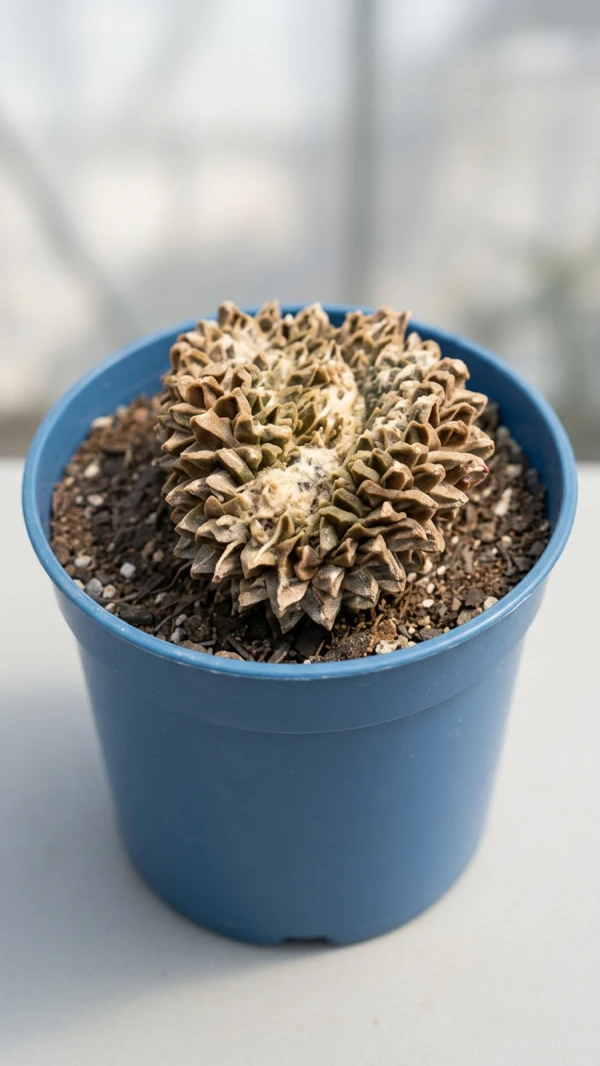
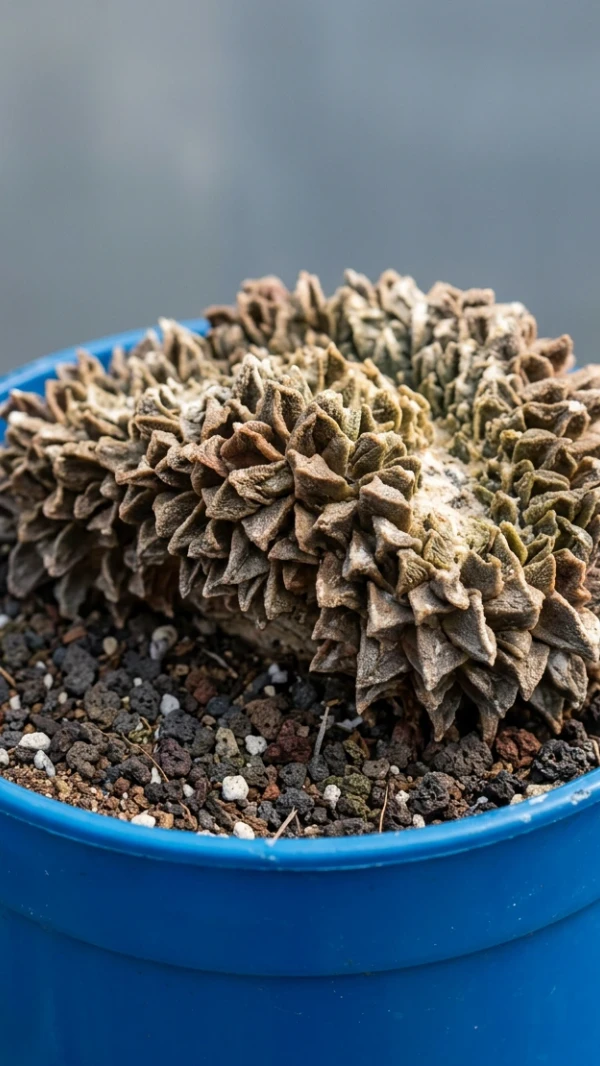
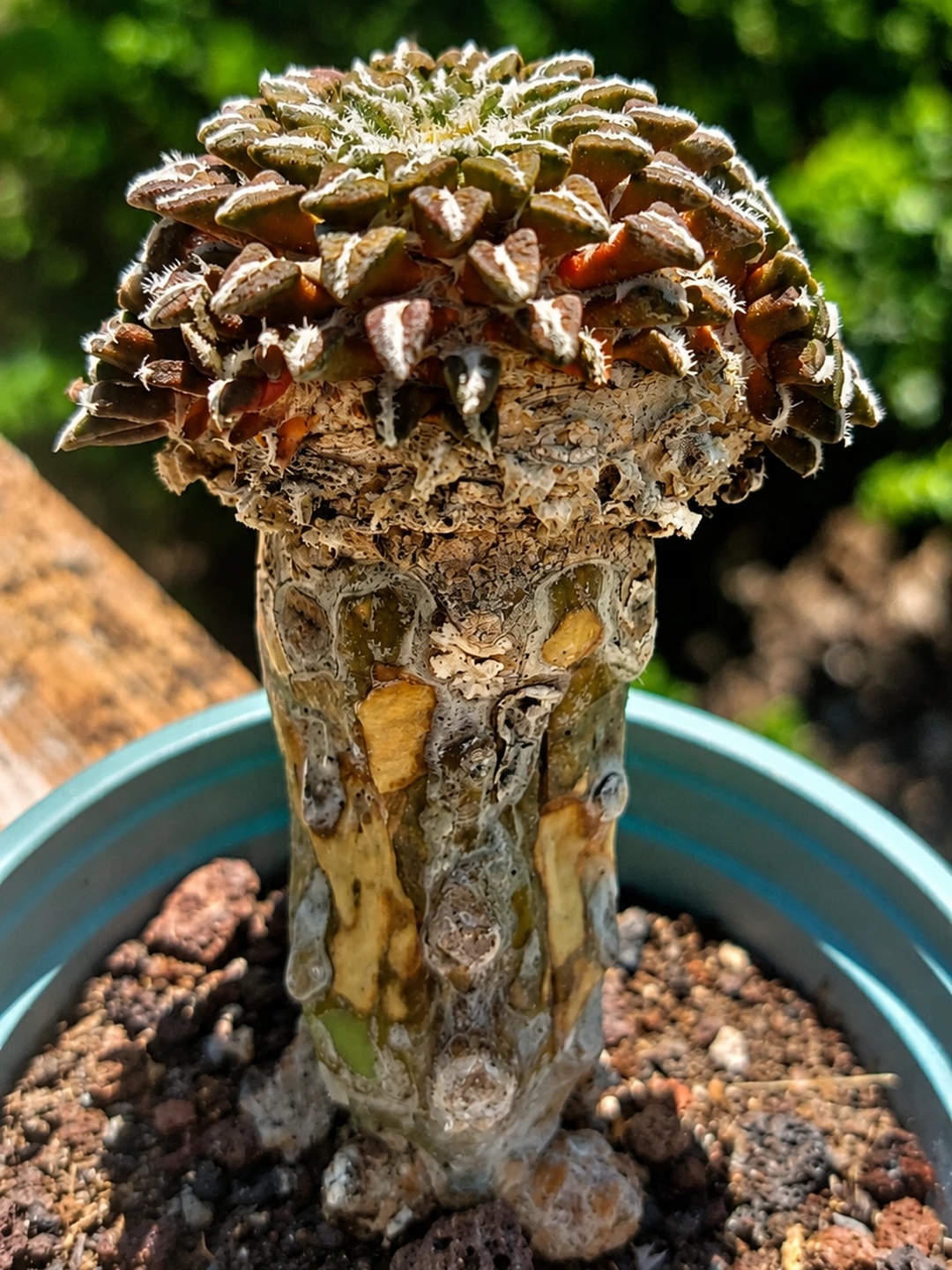
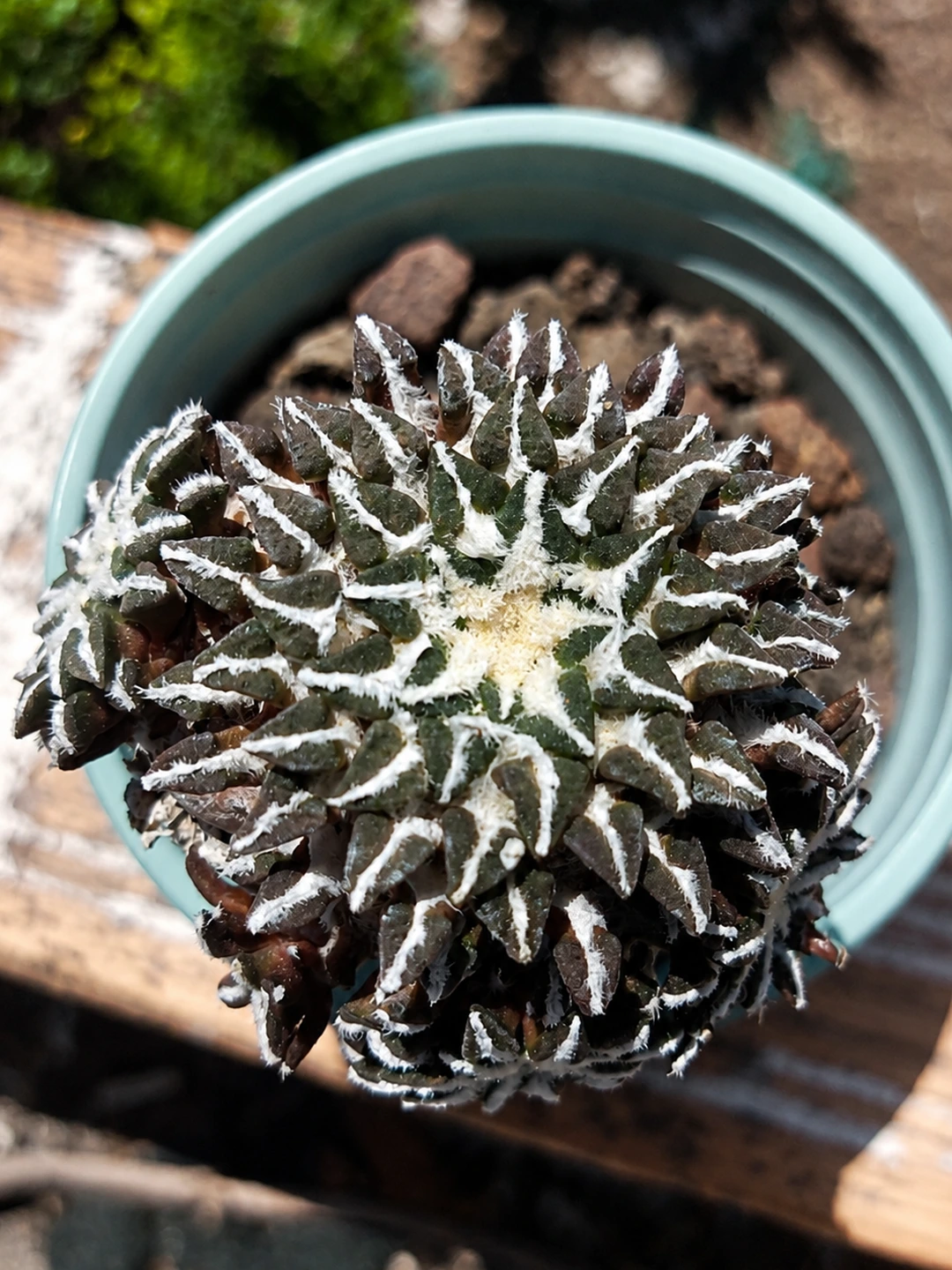
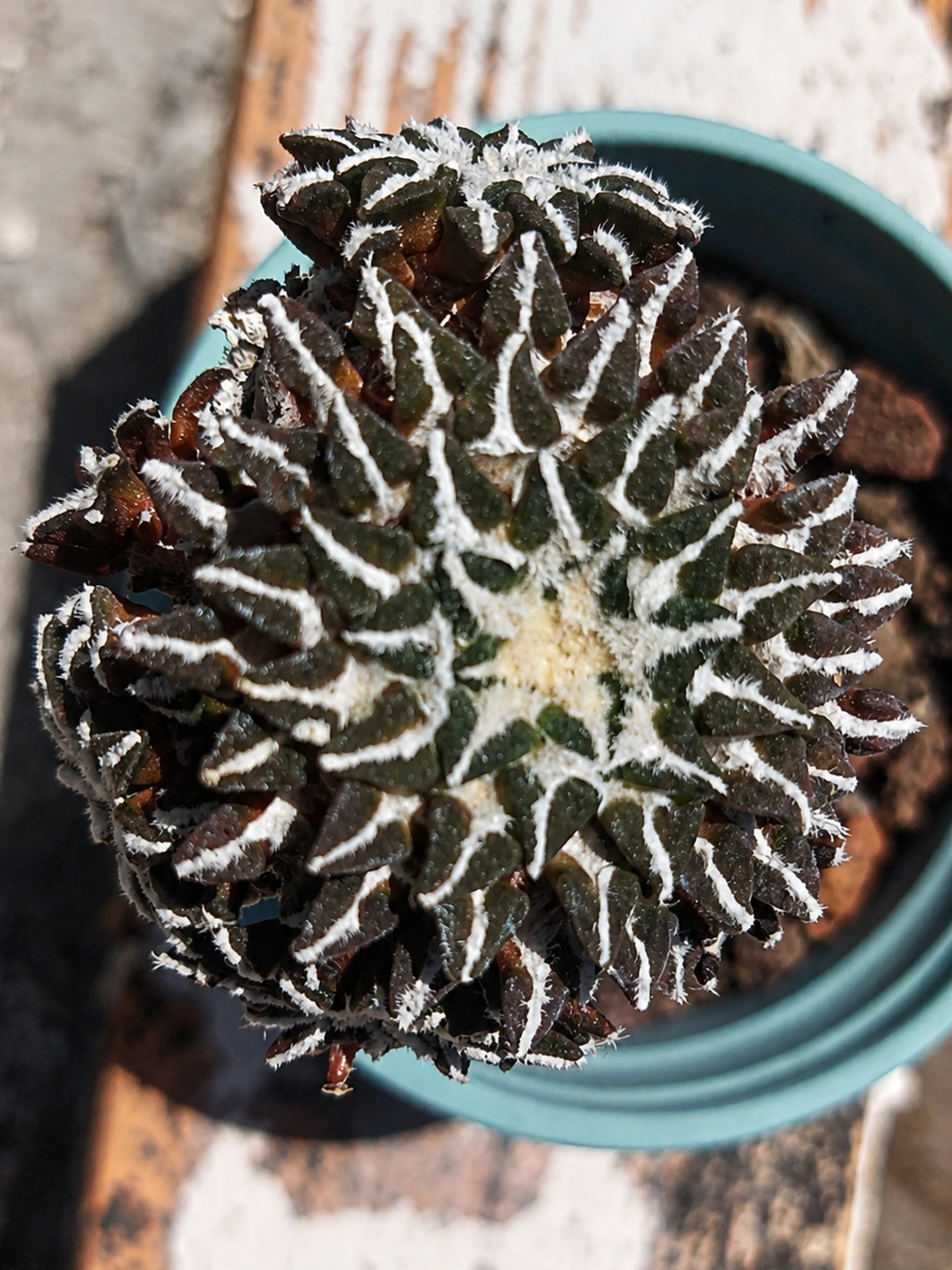
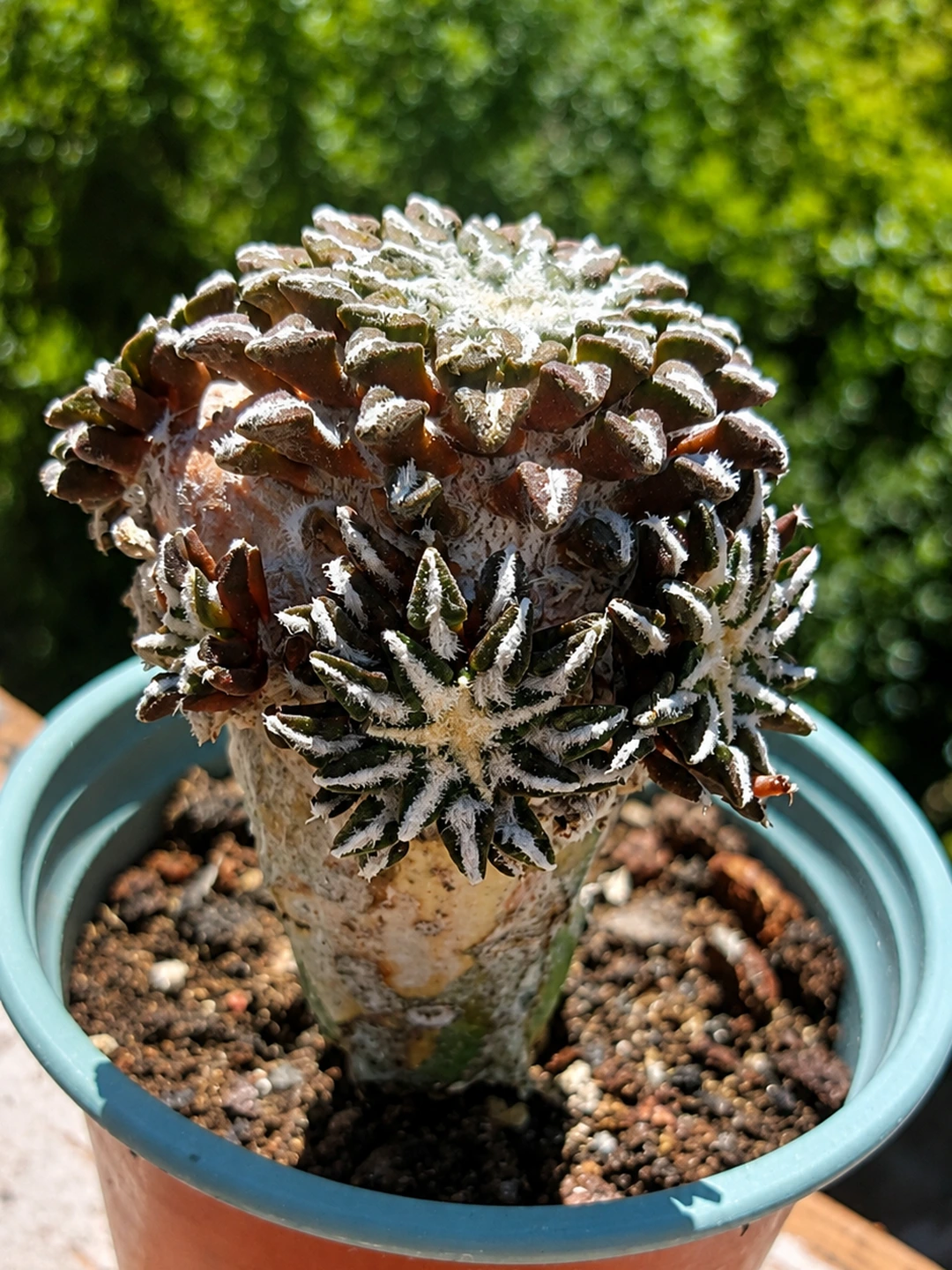
Ariocarpus kotschoubeyanus, a member of the Cactaceae family, is a rare and Critically Endangered (CR) succulent native to the arid regions of Mexico 1. Also known as "living rock" due to its unique camouflage, this species is highly prized among cactus collectors for its slow growth rate and distinctive appearance. The plant typically has a flattened to slightly domed stem that is largely buried in the soil, with only small, triangular, tuberculate rosettes visible on the surface. The color of these tubercles can vary from grayish-green to brownish, depending on the geographical origin of the specific plant.

Morphological Characteristics

  • Stem: Generally flattened, possessing a thick, deep-seated taproot (carrot-like root) that provides exceptional drought resistance. The visible surface diameter can range from 2 to 10 cm.
  • Tubercles: Triangular protrusions, 0.5-2 cm in diameter, with pointed or blunt tips. Areoles (the points where spines emerge) are located at the tips of the tubercles, but this species is typically spineless.
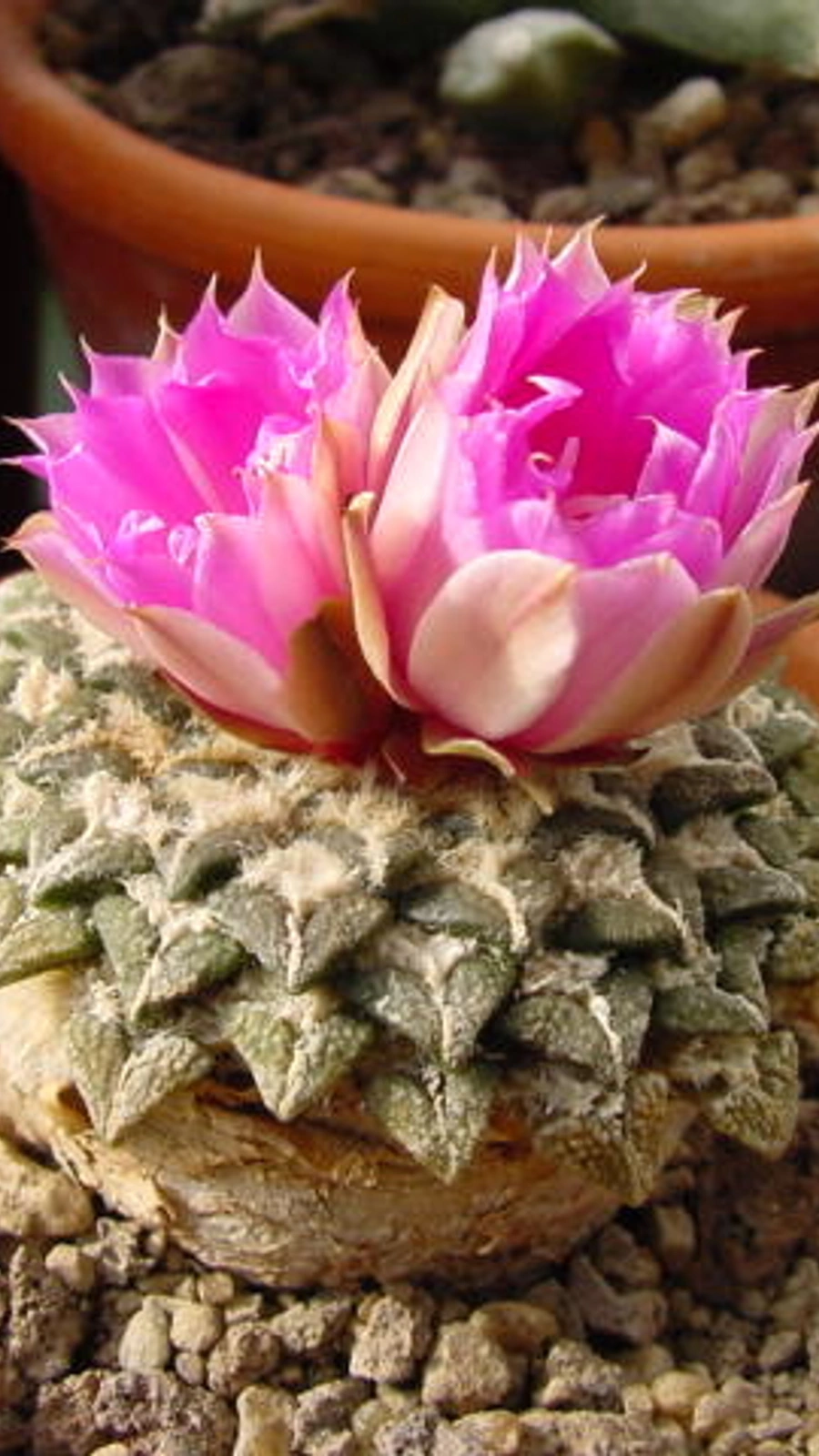
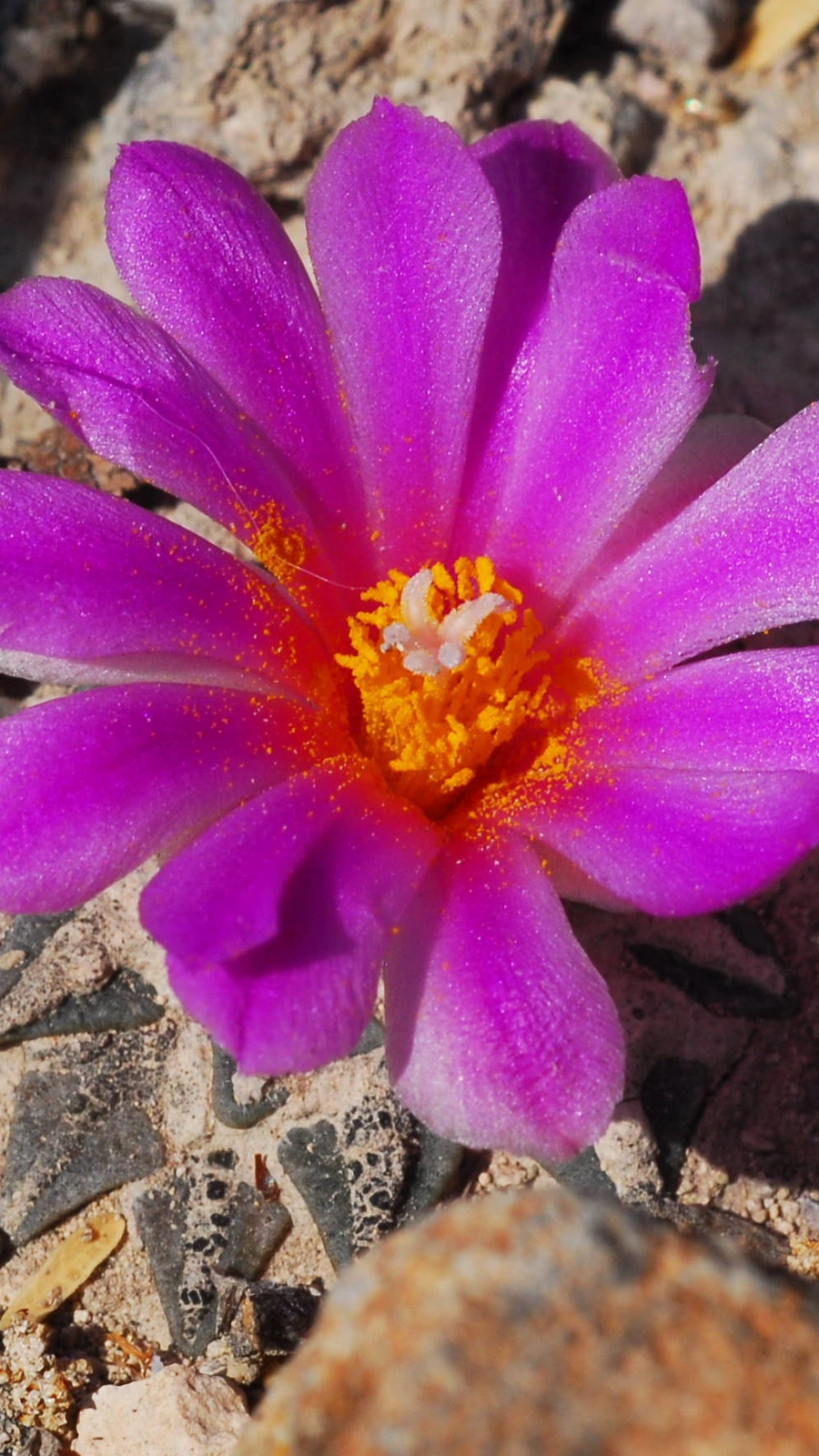
  • Flowers: Beautiful flowers emerge from the center of the plant in autumn, usually in shades of pink, purple, or magenta, measuring 2-3 cm in diameter. The flowering period is relatively short.

Habitat and Conservation Status

Ariocarpus kotschoubeyanus thrives in the arid scrubland and desert habitats of northeastern and east-central Mexican states, typically in limestone-based soils 2. In these regions, it is often found hidden under other vegetation or among rocks, providing protection from intense sun. The species is under severe threat due to habitat loss, illegal collection, and agricultural expansion, which is why it is listed under CITES Appendix I, prohibiting its international trade. Significant efforts are underway for its conservation.

References:

References

  1. IUCN Red List of Threatened Species. Ariocarpus kotschoubeyanus. Retrieved from: https://www.iucnredlist.org/species/40960/129759715
  2. Plants of the World Online. Ariocarpus kotschoubeyanus. Retrieved from: https://powo.science.kew.org/taxon/urn:lsid:ipni.org:names:128913-1
Light

Direct Sun

Requires ample bright, direct sunlight. Morning sun or filtered light is often preferred over harsh midday direct sun, especially during summer.

Watering

15-60 Days

Water deeply when the soil has completely dried out, and allow it to dry out thoroughly before the next watering. Almost no water is needed during winter dormancy.

Soil

Very well-draining, mineral-rich cactus soil

Use a very well-draining, mineral-based cactus and succulent mix, high in pumice, perlite, and coarse sand. Terracotta pots are ideal.

Safety

Pet Friendly

While generally not considered toxic, cacti can have unique textures and may rarely cause allergic reactions. Keep out of reach of children and pets.

Difficulty

Hard

Due to its rarity and specific care requirements, it is considered an expert-level cactus, particularly concerning its watering regimen.

Native Habitat

Mexico (Coahuila, Nuevo León, San Luis Potosí, Tamaulipas)

This rare cactus is native to the arid desert and shrubland regions of northeastern and east-central Mexico, specifically in states such as Coahuila, Nuevo León, San Luis Potosí, and Tamaulipas. It typically grows on limestone hills, rocky slopes, and low plains, often hidden amongst rocks or under the canopy of nurse plants.

Frequently Asked Questions

What is the best pot and soil mix for Ariocarpus kotschoubeyanus?
Choose a clay or terracotta pot that provides **excellent drainage**. The soil mix should be **highly mineral-based**, ideally composed of pumice, perlite, lava rock, and a minimal amount of peat. Keep organic matter content low.
How often should I water this cactus?
Water deeply **when the soil has completely dried out** during summer (approximately every 15-20 days). During winter and dormancy, reduce watering almost entirely (once a month or less). Overwatering leads to root rot.
How much light does Ariocarpus kotschoubeyanus need?
It prefers **plenty of bright, direct sunlight**. However, protecting it from the harshest midday sun during summer can prevent scorching. Light afternoon shade is ideal.
When does Ariocarpus kotschoubeyanus bloom?
It typically blooms in the **autumn months**, especially September and October. The flowers are short-lived but beautifully vibrant.
How fast does this cactus grow?
Ariocarpus kotschoubeyanus is a **very slow-growing species**. Annual growth is typically measured in millimeters, making it a special plant for patient collectors.
What temperatures can it tolerate in winter?
It is sensitive to frost. It is recommended to keep it around **at least 7°C (45°F)** in winter. While it might tolerate brief periods down to 0°C (32°F) if kept dry, it is risky.
What pests or diseases should I be aware of?
The biggest issue is **root rot**; avoid overwatering. Cactus mealybugs and spider mites can occasionally appear. Most problems can be prevented with good ventilation and proper watering.
Is Ariocarpus kotschoubeyanus safe for pets?
It is generally **not considered toxic**, but cacti can be fibrous or hard, potentially causing digestive upset if ingested by pets. It's best to keep them out of reach.
How is this cactus propagated?
Propagation from seed is possible but **very slow and challenging**. It's usually done by experienced growers and rarely by cuttings (from offsets). Grafting is also a preferred method for faster growth.
Why might my cactus not be blooming?
Reasons for not blooming often include insufficient light, incorrect watering regimen (especially during winter dormancy), nutrient deficiency, or inadequate winter rest. Providing the plant with **proper dormancy conditions** is crucial for flowering.