
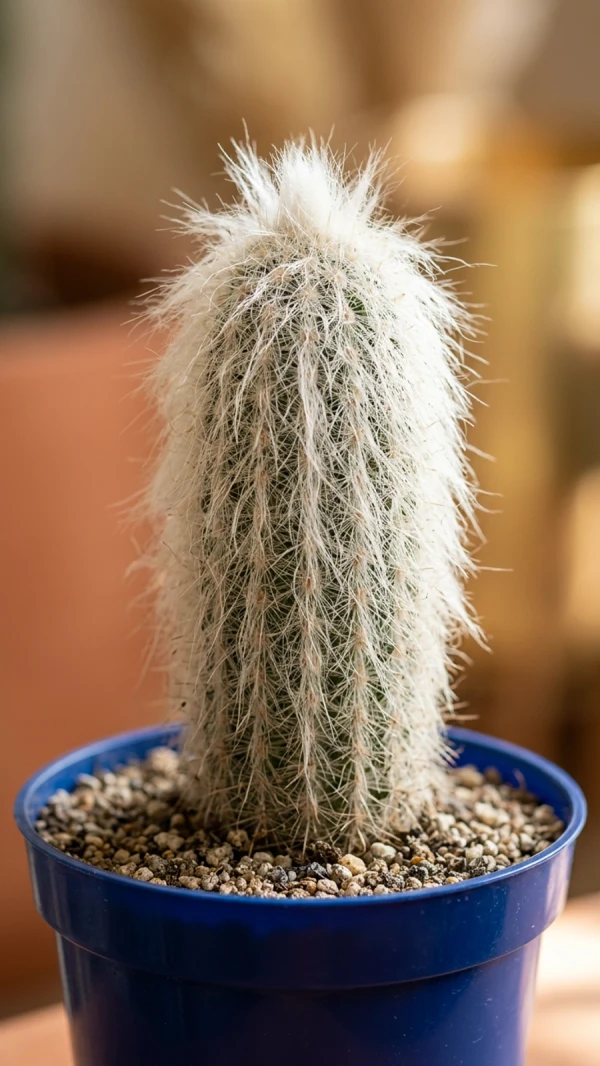
 Representative AI image
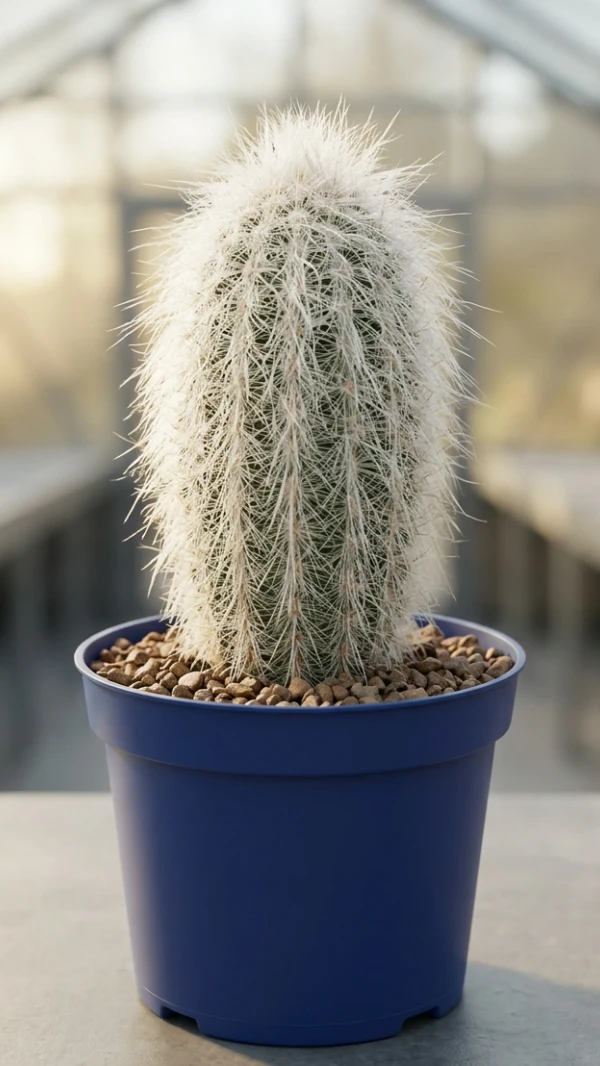 Representative AI image
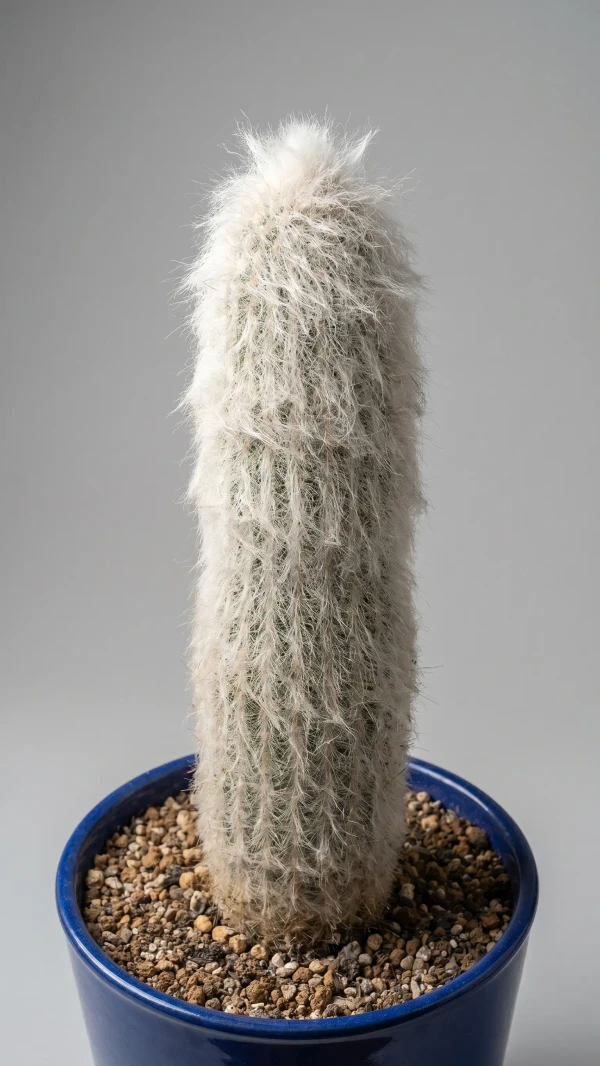 Representative AI image
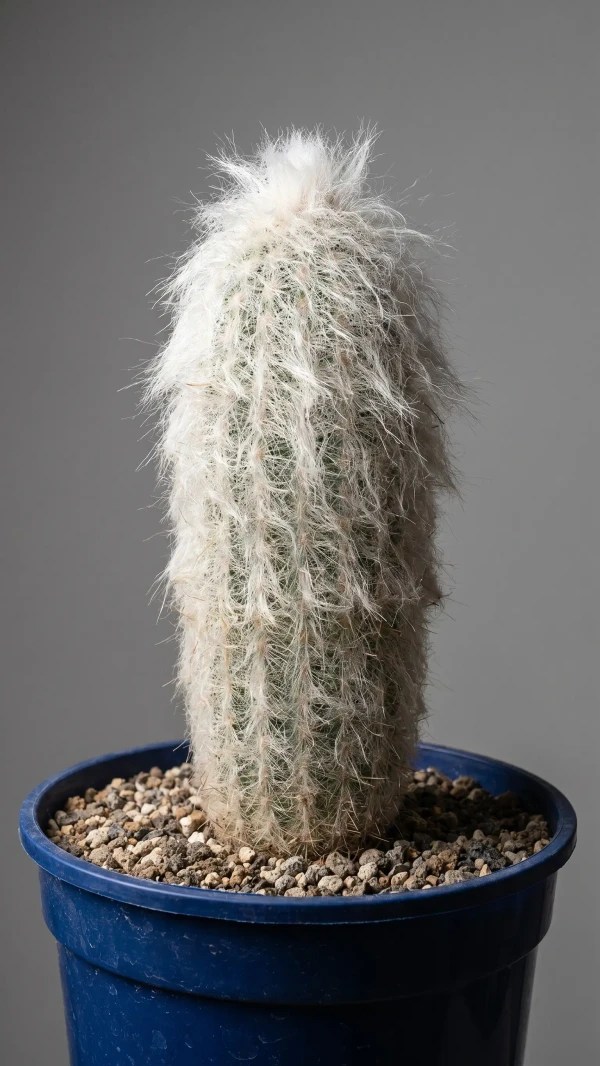 Representative AI image
Cephalocereus senilis
Old Man Cactus
Known as the “Old Man Cactus,” Cephalocereus senilis brings the wise spirit of the desert into your home with its long, white, hairy stems. This iconic cactus, native to Mexico, gets its name from its characteristic silvery hairs that resemble an old man's beard. These hairs not only offer aesthetic beauty but also protect the plant from harsh sun rays in its natural habitat.
- Why Choose Cephalocereus senilis?
- Visual Spectacle: Its unique silvery hairs captivate with every glance.
- Collector's Item: A favorite among cactus collectors, a rare and striking species.
- Resilience: A robust plant that will stay with you for many years with proper care.
- Easy Maintenance: Its moderate care requirements make it suitable for beginners.
This special Old Man Cactus from Kaktüs Doktoru will add a calm and exotic atmosphere to your living space. Place it in a spot with direct sun and observe its fascinating growth.
Optimal: 25 °C
Loves direct sunlight, but in very hot climates, it might benefit from protection from intense midday sun.
Use a fast-draining, mineral-rich soil mix specifically formulated for cacti and succulents.
Water when the soil is completely dry; overwatering leads to root rot. Almost no watering in winter.
Considered moderately difficult to care for. Finding the right balance of light and watering is crucial for its health.
Frequently Asked Questions
What kind of pot should I use for my Old Man Cactus and how often should I repot it?
How often should I water my Old Man Cactus?
How much light does the Old Man Cactus need?
What is the best soil mix for the Old Man Cactus?
When does my Old Man Cactus bloom and what can I do to encourage flowering?
How fast does the Old Man Cactus grow?
How should I clean the white hairs of my Old Man Cactus?
What common pests or diseases might affect my Old Man Cactus?
How should I care for my Old Man Cactus during winter?
Is the Old Man Cactus toxic to pets?
Reviews
There are no reviews for this product yet.
Recently Viewed
Care reminder list
Get seasonal care reminders for this product at your preferred frequency. You can change the email address below and unsubscribe from any reminder email.
