
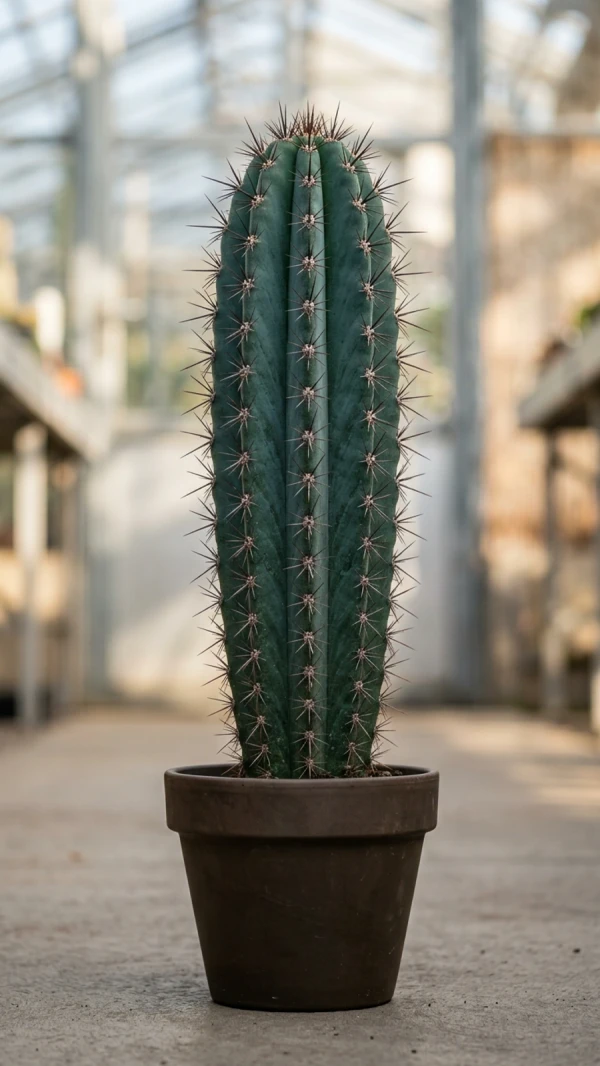
KD_CEREUS_AETHIOPS_001

Cereus aethiops

Black Cereus

TRY 1,710
In Stock
Last one

Cereus aethiops: The Elegance of Black in Your Home

Looking for a dramatic and striking addition to your cactus collection? Cereus aethiops, commonly known as Black Cereus, stands out with its unique dark green and purplish-black stem. This columnar cactus possesses a majestic beauty, capable of reaching impressive sizes over time.

Why Choose Cereus aethiops?

  • Visual Spectacle: Its dark-colored stem, especially prominent when young, deepens in hue as it matures, adding a modern aesthetic to any space.
  • Easy Care: Ideal for those new to cactus care or with a busy lifestyle. It offers maximum impact with minimal effort.
  • Resilience: Thriving in full sun and highly drought-tolerant, this species flourishes easily on a bright windowsill indoors or in a protected outdoor area.
  • Collector's Value: A sought-after species among cactus collectors, Cereus aethiops is distinguished by its aesthetic value and rarity.

At Kaktüs Doktoru, we offer you the healthiest and highest quality Cereus aethiops specimens. Create an exotic South American ambiance in your home or office with this stunning cactus.

Free Shipping
Temperature
5-35 °C

Optimal: 25 °C

Light
Full Sun

Requires full direct sunlight or very bright, filtered sun for optimal growth and abundant flowering.

Soil
Well-draining cactus and succulent mix

Use a well-aerated, fast-draining, mineral-based cactus and succulent potting mix that is low in organic matter.

Water
14-30 Days

Allow soil to dry out completely between waterings. Water every 10-14 days in summer, and once a month or less in winter.

Difficulty
Easy

Due to its drought tolerance and simple care requirements, it is an easy species to care for, suitable for beginners.

Frequently Asked Questions

How do I care for Cereus aethiops indoors?
When growing *Cereus aethiops* indoors, choose the brightest spot available, typically a south or west-facing window is ideal. Use a well-draining pot and cactus soil. Repot in spring as the plant grows, usually every 2-3 years.
How often should I water my Cereus aethiops?
In summer, water thoroughly when the soil is completely dry (roughly every 10-14 days). In winter, reduce watering to once a month or less as the plant enters dormancy. Overwatering can lead to root rot, so be cautious.
What kind of light does it need for optimal growth?
*Cereus aethiops* thrives in full direct sunlight. A minimum of 6 hours of direct sun per day is crucial for its healthy growth and flowering. Insufficient light can lead to etiolation (stretching) and a lack of blooms.
What is the best soil mix for Cereus aethiops?
You should use a well-draining soil mix specifically formulated for cacti and succulents. These mixes typically contain mineral components like pumice, perlite, or coarse sand. Regular garden soil can lead to root rot.
When does Cereus aethiops flower, and how can I encourage blooming?
This cactus typically flowers in summer, especially when provided with ample light and a proper winter dormancy. To encourage blooming, ensure the plant receives plenty of direct sunlight and simulate a dormancy period by keeping it cooler and drier during the winter months.
What is the growth rate of Cereus aethiops?
*Cereus aethiops* can grow relatively fast when young, adding several centimeters per year. However, its growth rate slows down as it matures. While it can reach very large sizes in its natural habitat, it generally remains more compact when grown in pots.
How can I propagate Cereus aethiops?
*Cereus aethiops* is most easily propagated by stem cuttings. Cut a healthy section of the stem, allow the cut end to callus for several days, then plant it in well-draining cactus soil. Propagation from seed is also possible but requires more patience.
Are there any common pests or diseases for this cactus?
*Cereus aethiops* is generally a resilient plant, but it is susceptible to root rot if overwatered. Additionally, common cactus pests like mealybugs or spider mites can occasionally be an issue. Regular inspection of your plant allows for early intervention.
Is Cereus aethiops safe for pets?
Chemically, *Cereus aethiops* is not considered toxic to pets. However, its spines are very sharp and can cause physical injury to curious noses or paws. It's best to place the plant where pets cannot reach it.
Does Cereus aethiops require special care during winter?
Yes, *Cereus aethiops* enters a dormant period in winter. During this time, you should significantly reduce watering and keep the plant in a cooler location (but above freezing). Fertilization is not necessary. This dormancy encourages strong growth and flowering in spring.

Reviews

There are no reviews for this product yet.

Care reminder list

Get seasonal care reminders for this product at your preferred frequency. You can change the email address below and unsubscribe from any reminder email.