
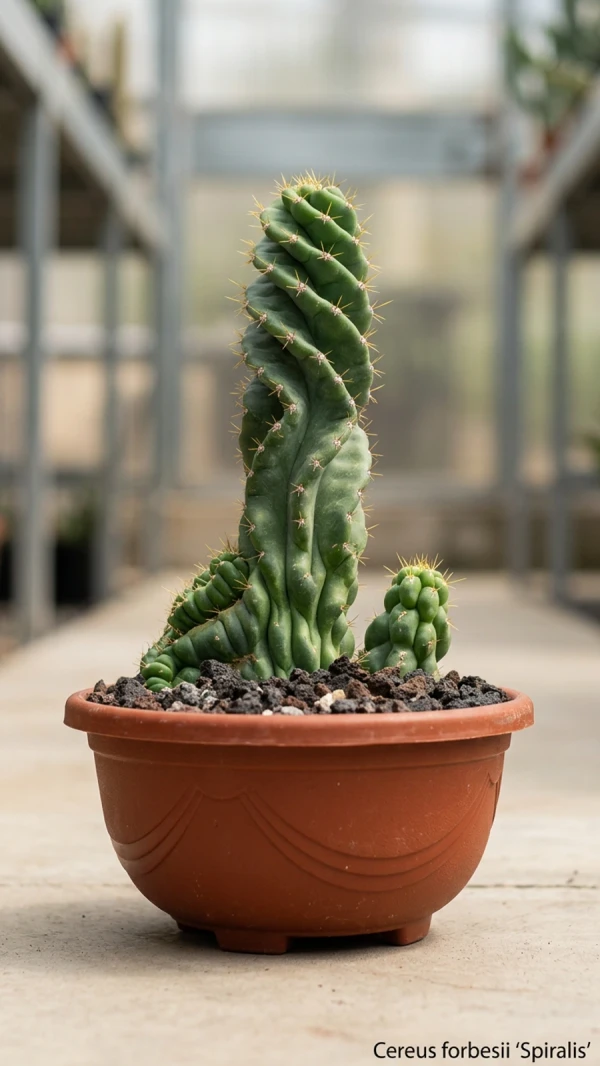
 Representative AI image
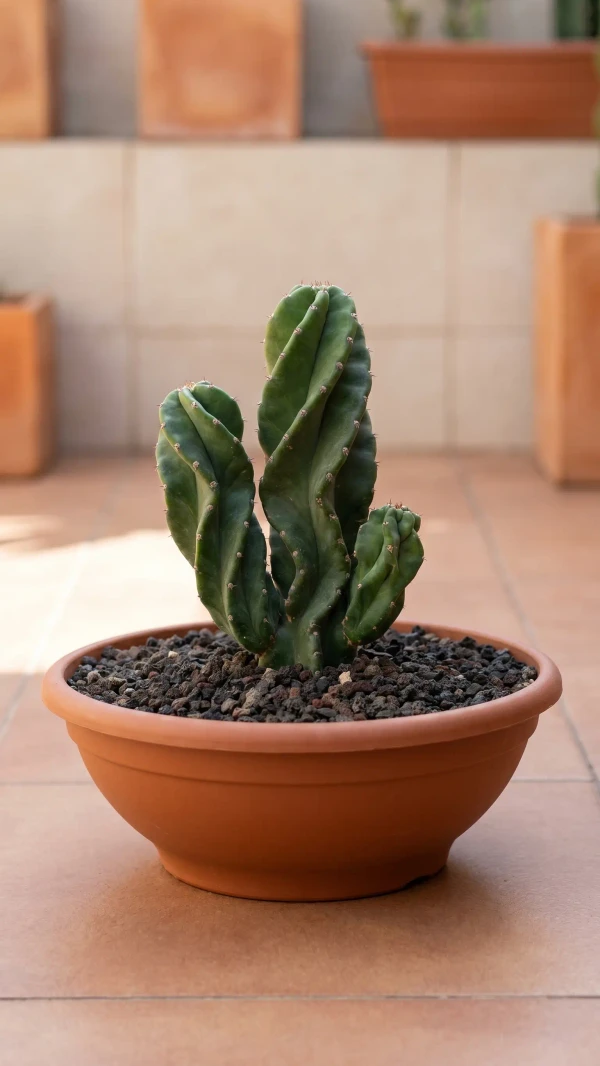 Representative AI image
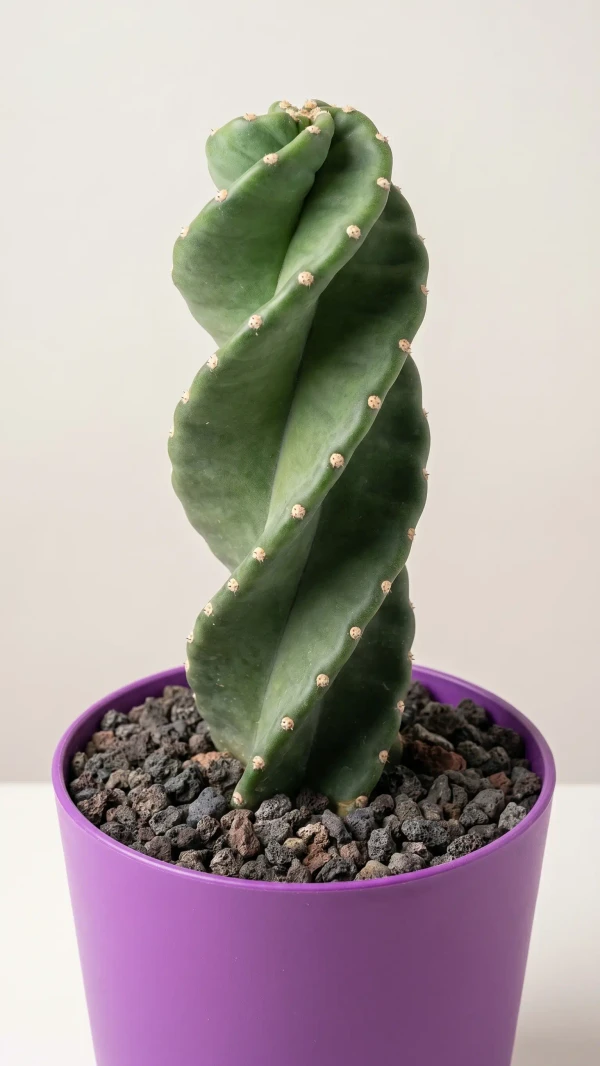 Representative AI image
Cereus forbesii
Blue Columnar Cactus
Cereus forbesii: Bring the Sky's Hues to Your HomeCereus forbesii, with its impressive blue-green stems and majestic columnar formation, is a strong candidate to become the star of your cactus collection. This fast-growing species, capable of reaching up to 10 meters in its natural habitat, can quickly achieve a striking size in your home with proper care. Why Choose Cereus forbesii? Unique Visual Spectacle: Its blue-toned epidermis makes it instantly recognizable among other cactus species. Easy Care: Ideal even for beginner cactus enthusiasts. It thrives with a sunny spot and careful watering. Rapid Growth: A great choice for impatient cactus lovers; it quickly adds height and character to your space. Architectural Form: Creates a perfect vertical accent that complements modern interior designs or minimalist outdoor spaces. The Cereus forbesii you acquire from Kaktüs Doktoru will add a serene and exotic atmosphere to your living space, creating a big impact with minimal effort. Discover the captivating beauty of nature with this unique blue columnar cactus!
A very bright position with gradually introduced direct sun supports strong, balanced columnar growth.
A coarse, mineral-forward, airy cactus mix that dries rapidly even in a large container.
Do not use a fixed calendar. Water deeply after complete drying and reduce frequency during cool or low-light periods.
It is manageable with fast drainage and strong light; hidden moisture in large pots, tipping, and mistaking growth form for taxonomy are the main risks.
Frequently Asked Questions
Where is Cereus forbesii native?
What is its conservation status?
How often should it be watered?
Can it take direct sun?
What growing medium is suitable?
Can it be identified by stem colour alone?
Is it safe around pets?
Does the commercial form represent the whole wild species?
Reviews
There are no reviews for this product yet.
Recently Viewed
Care reminder list
Get seasonal care reminders for this product at your preferred frequency. You can change the email address below and unsubscribe from any reminder email.
