
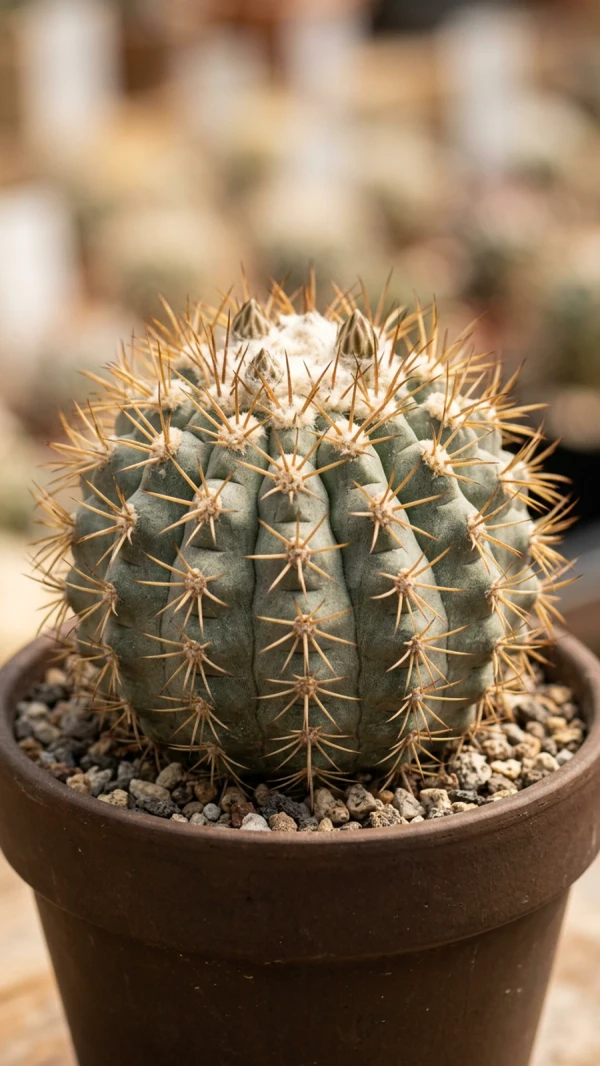
 Representative AI image
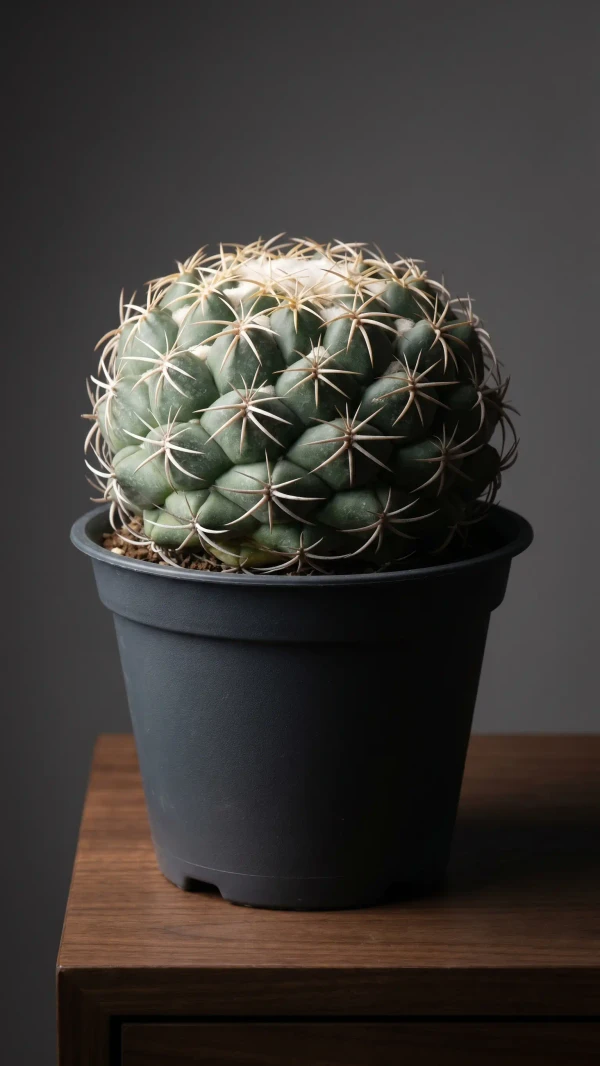 Representative AI image
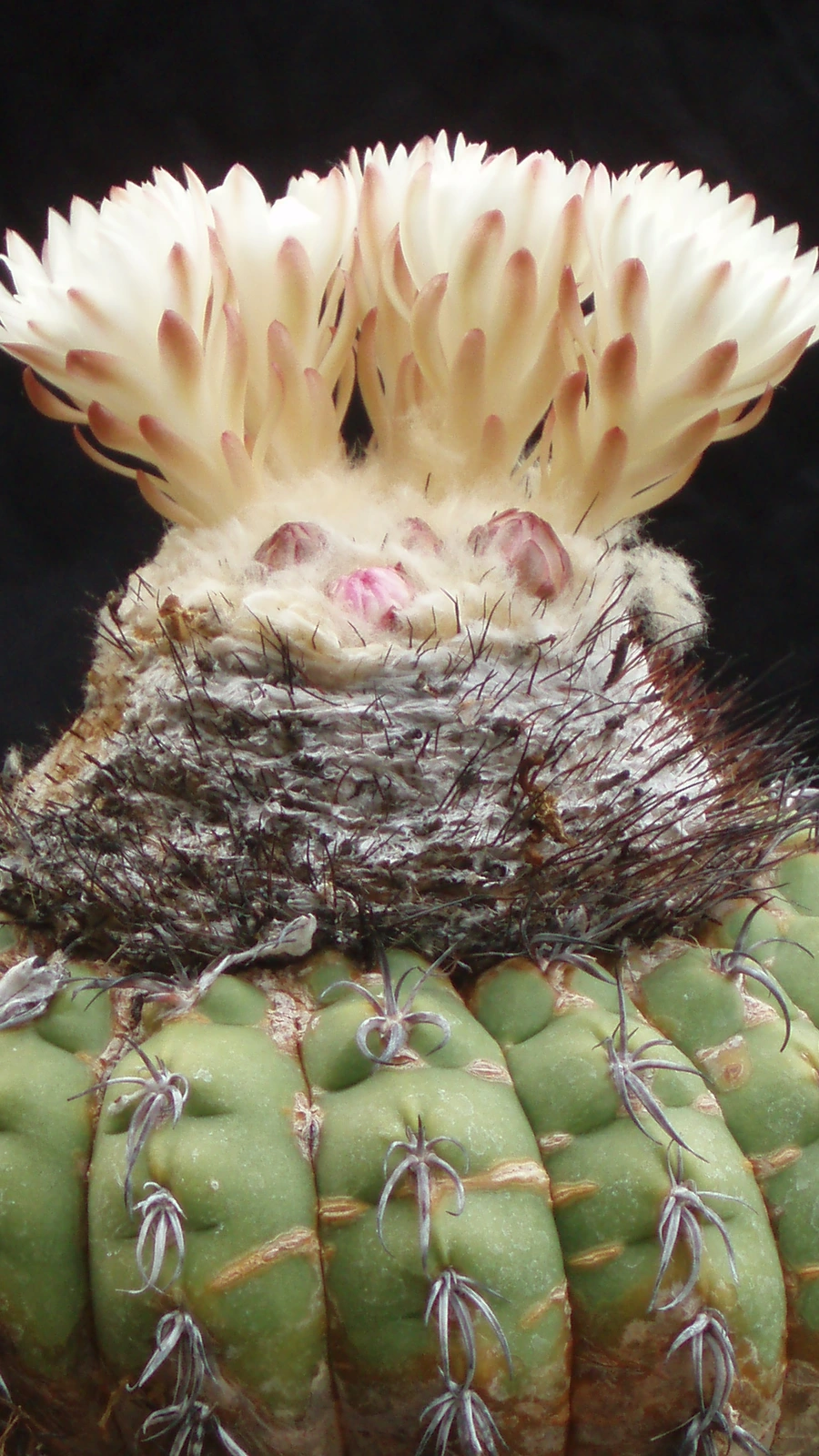 Reference image
Discocactus placentiformis
Disc Cactus
Discocactus placentiformis: The Rare Gem of Your Collection
Discover a rare and captivating species from Kaktüs Doktoru: Discocactus placentiformis. Hailing from the natural beauty of Brazil, this unique cactus earns its name from its flattened, disc-like form. As it matures, it develops a striking white, woolly cephalium at its apex, from which dazzling white flowers emerge at night.
Why Choose Discocactus placentiformis?
- Aesthetic Purity: Its distinctive disc shape makes it a perfect fit for modern and minimalist spaces.
- Visual Spectacle: Add a mysterious allure to your garden or indoor space with its delicate white flowers that bloom nocturnally.
- Collector's Item: An essential species for cactus collectors, standing out with its rarity and striking appearance.
- Moderate Care: With moderate care requirements, it will thrive for many years when provided with the right environment.
This special cactus is an exceptional choice for both seasoned collectors and enthusiasts of exotic plants. It's ideal for adding a sophisticated touch to your home or office. With Kaktüs Doktoru's assurance, acquire a healthy and carefully cultivated Discocactus placentiformis.
Optimal: 25 °C
Discocactus placentiformis requires at least 6 hours of direct sunlight daily for optimal growth. South-facing windows or sunny outdoor locations are ideal. Insufficient light can lead to etiolation (stretching) and a lack of flowering.
Use a very well-draining soil mix specifically formulated for cacti and succulents. You can enhance drainage and aeration by adding minerals like pumice, perlite, or lava rock to the mix. Never use heavy, water-retentive garden soil.
Ensure the soil is completely dry before watering. During the growing season (spring-summer), thoroughly drench the soil from the bottom, and stop watering almost entirely when the plant enters dormancy in winter. Remaining moisture in winter can lead to root rot.
This is a moderately challenging cactus to care for. Providing the correct watering regimen and sufficient lighting is crucial for its healthy growth and flowering. It might be a bit challenging for absolute beginners.
Frequently Asked Questions
What is the ideal pot size and material for Discocactus placentiformis?
How often should Discocactus placentiformis be watered in summer and winter?
How much light does Discocactus placentiformis need?
What is the best soil mix for Discocactus placentiformis?
What conditions are necessary for Discocactus placentiformis to flower?
How fast does Discocactus placentiformis grow?
Is Discocactus placentiformis toxic to pets?
How should Discocactus placentiformis be cared for in winter?
How is Discocactus placentiformis propagated?
What is the white, woolly structure (cephalium) on Discocactus placentiformis for?
Reviews
There are no reviews for this product yet.
Recently Viewed
Care reminder list
Get seasonal care reminders for this product at your preferred frequency. You can change the email address below and unsubscribe from any reminder email.
