KD_ECHINOPSIS_ARACHNACANTHA_001

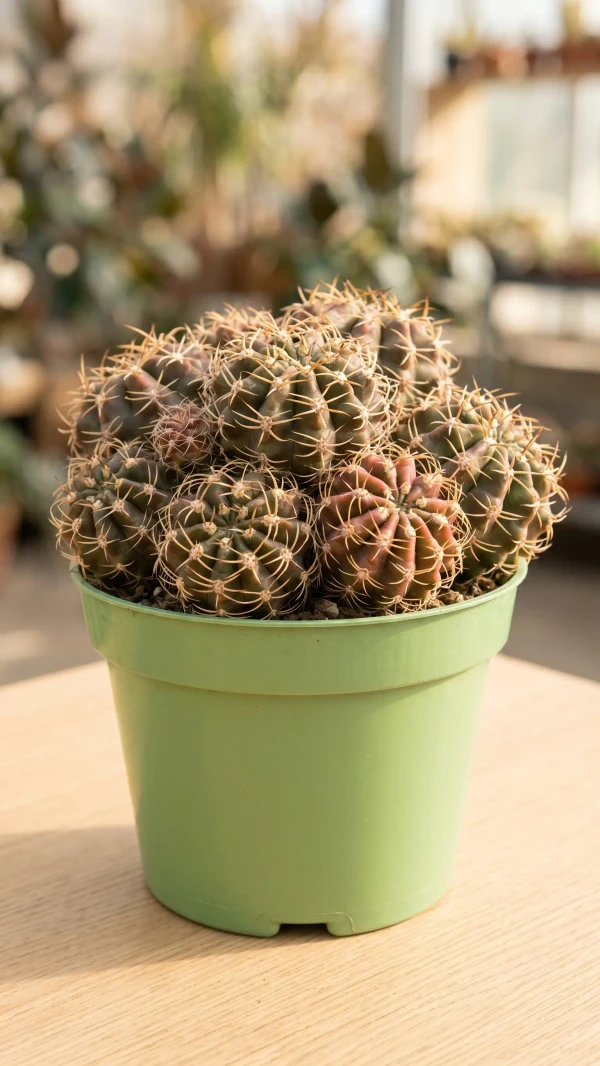
Echinopsis arachnacantha

Spider-spined Hedgehog Cactus

TRY 4,400
In Stock
Almost gone

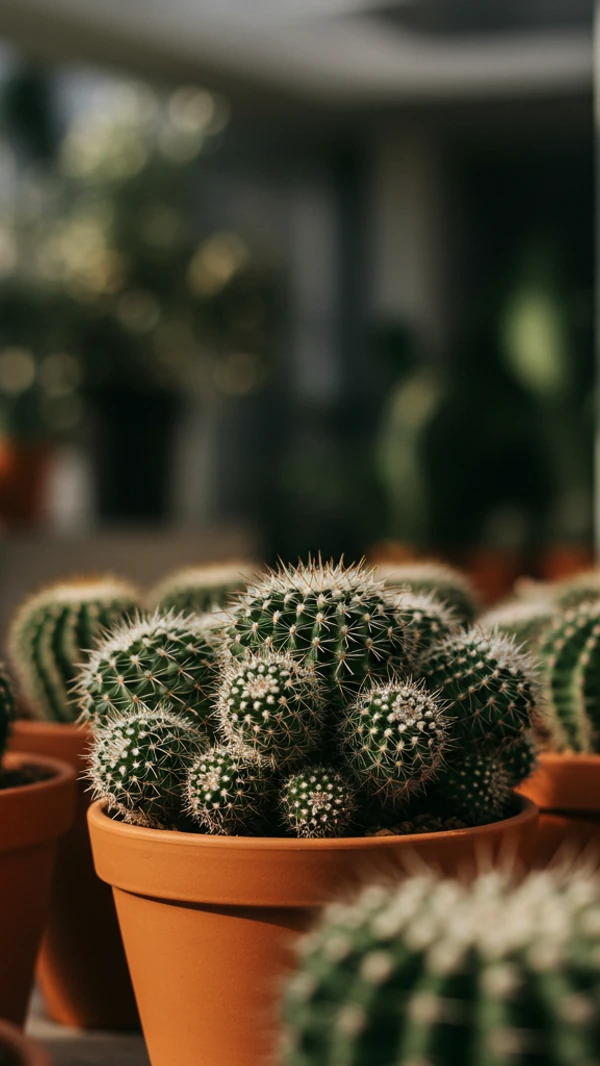
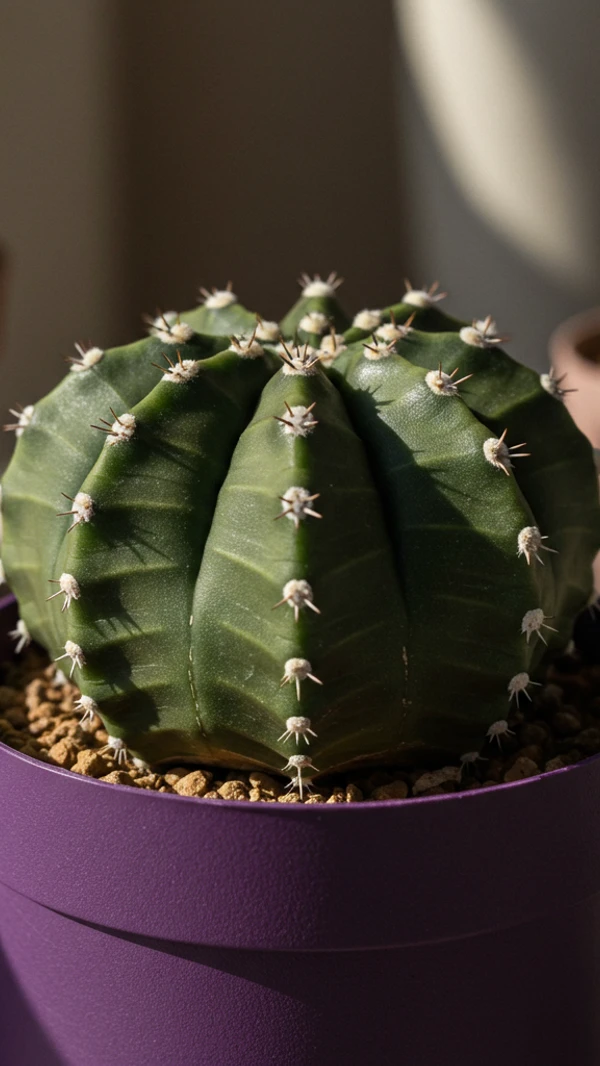
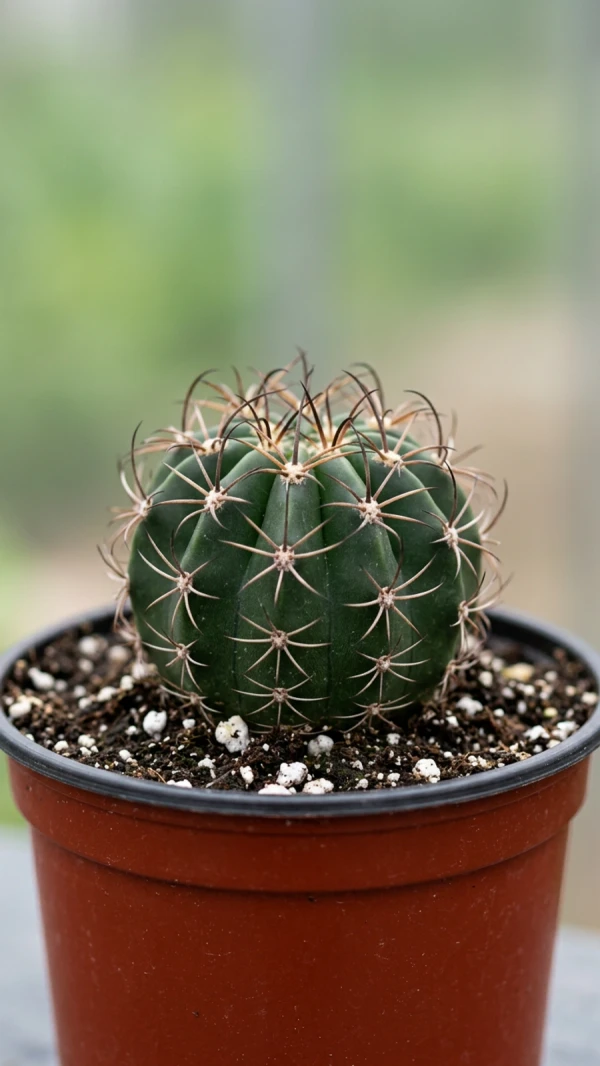
Add an exotic beauty to your home from Cactus Doctor: Echinopsis arachnacantha. Popularly known as the "Spider-spined Hedgehog Cactus," this species gets its name from its delicate, curly, spiderweb-like spines that adorn its green body, giving it both a wild and aesthetic appeal.

Echinopsis arachnacantha is exceptionally easy to care for, making it ideal for anyone looking to add a unique character to their cactus collection. It thrives in direct sunlight and prefers well-drained soil. Its resilient nature makes it a fantastic choice for both beginners and experienced cactus enthusiasts.

With its minimalist aesthetic, this cactus will be a captivating focal point in your favorite corner at home or in the office. Bring the fascinating details of nature into your living space with Echinopsis arachnacantha.

Free Shipping
Temperature
5-35 °C

Optimal: 25 °C

Light
Direct Sun

Requires full sun or very bright, indirect light for optimal growth and flowering.

Soil
Well-draining cactus and succulent mix

Prefer a fast-draining, sandy, and mineral-rich soil mix specially formulated for cacti and succulents.

Water
10-30 Days

Allow the soil to dry out completely between waterings. Drastically reduce or cease watering in winter to prevent root rot.

Difficulty
Easy

An easy and forgiving species, suitable for beginner cactus enthusiasts.

Frequently Asked Questions

What is the ideal potting soil for Echinopsis arachnacantha?
The most suitable soil for Echinopsis arachnacantha is a **well-draining cactus and succulent mix**. A mix enriched with materials like sand, pumice, or perlite that drains water quickly will prevent root rot. The organic matter content should be low.
How much light does this cactus require?
Echinopsis arachnacantha thrives in **full sun or very bright, indirect light**, as it is exposed to abundant sunlight in its natural habitat. If grown indoors, a south-facing window is ideal. Insufficient light can hinder flowering.
How often should Echinopsis arachnacantha be watered?
Watering should occur after the soil has completely dried out. In summer, water every 7-10 days, but in winter, when the plant is dormant, **once a month or less** is sufficient. Overwatering is the most common cause of death.
What should I do to make it bloom?
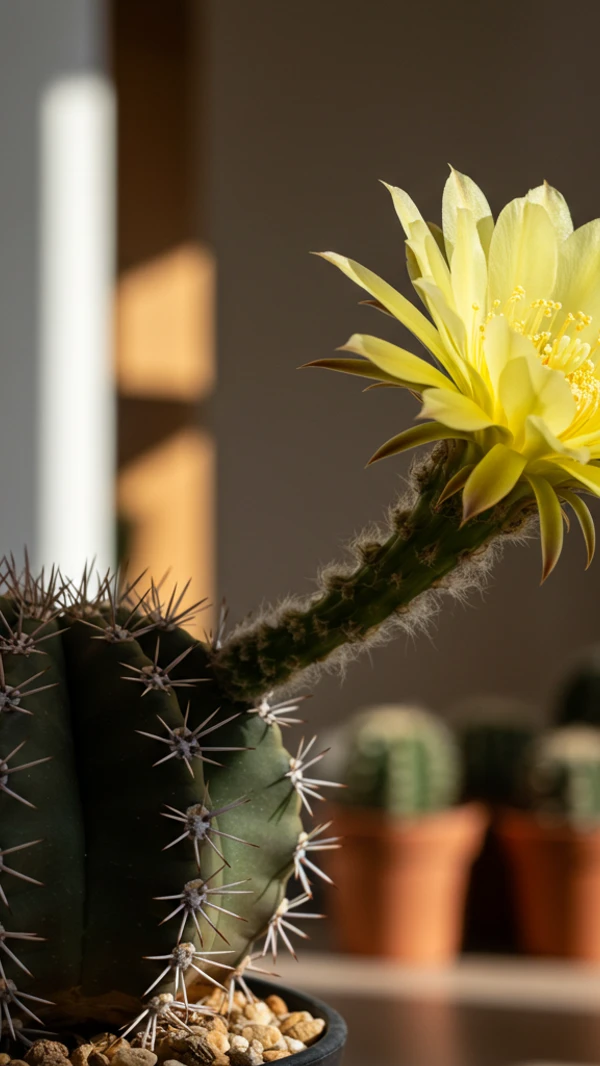
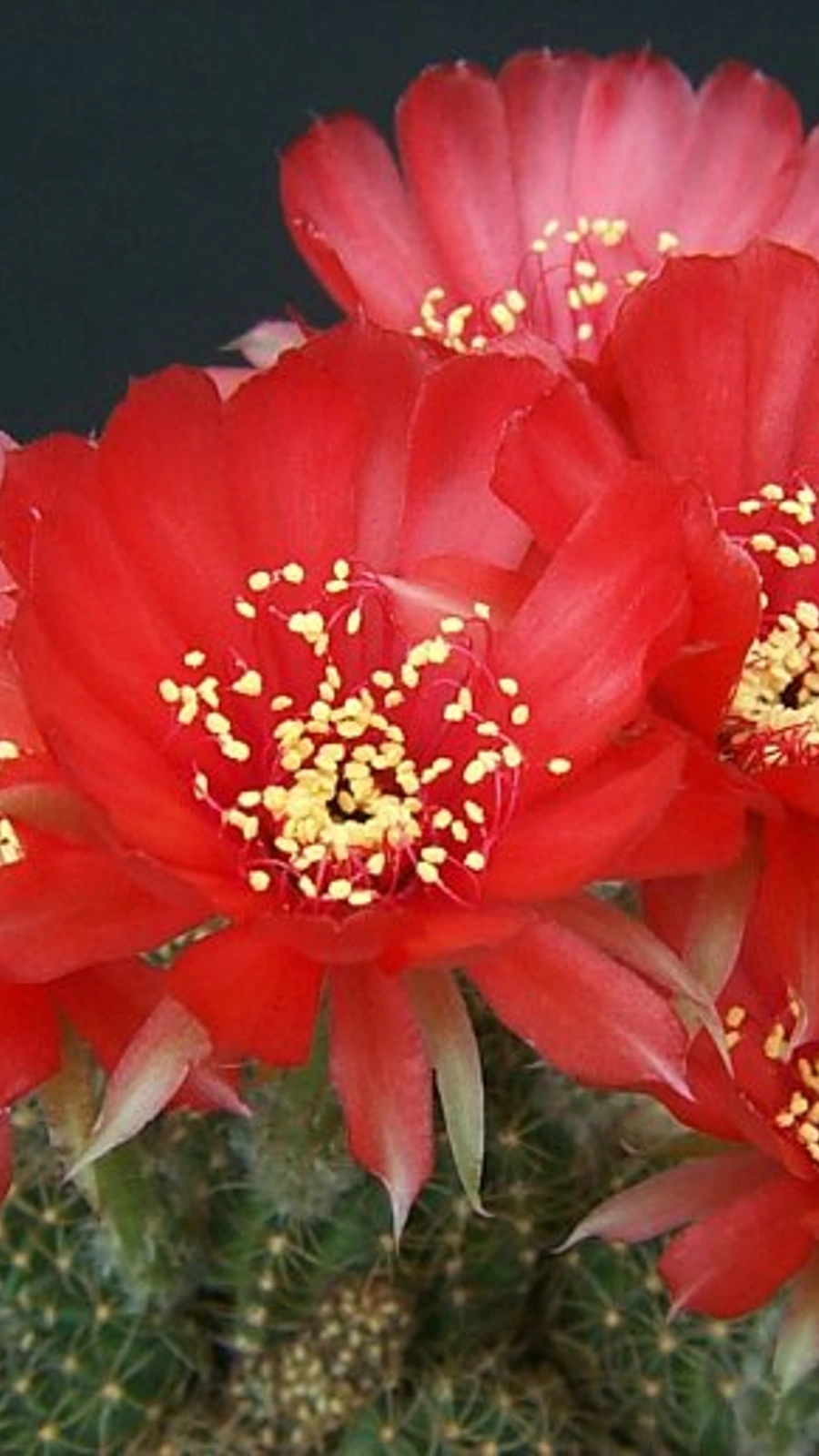
To encourage flowering, it's important for the plant to undergo a **cool and dry dormancy period in winter**. Adequate sunlight and adherence to the correct watering regimen also increase flowering success. You can apply a specialized cactus fertilizer in spring.
Is Echinopsis arachnacantha safe for pets?
Generally, *Echinopsis arachnacantha* is not considered toxic to pets. However, due to its **sharp spines**, it is important to prevent pets from direct contact with the plant. Spines can cause injuries.
How fast does this cactus grow?
Echinopsis arachnacantha is generally a **medium to slow-growing cactus**. The annual growth rate varies depending on the amount of light received, watering frequency, and overall care conditions. It can develop faster under optimal conditions.
When should I repot it?
Repotting should be done when the plant has outgrown its current pot or when roots start emerging from the bottom, typically **every 2-3 years**. Early spring, just before the active growing season, is the ideal time.
What kind of winter care does it need?
During winter months, it is crucial to keep Echinopsis arachnacantha **cool and dry**. Almost completely stop watering and protect the plant from frost. Indoors, place it in a bright spot away from heating sources.
What should I do if brown spots appear on its leaves?
Brown spots usually indicate **overwatering, root rot, or a fungal infection**. Ensure the soil is completely dry and check for adequate air circulation around the plant. If necessary, remove the plant from its pot to inspect the roots and trim any rotted parts.
How is Echinopsis arachnacantha propagated?
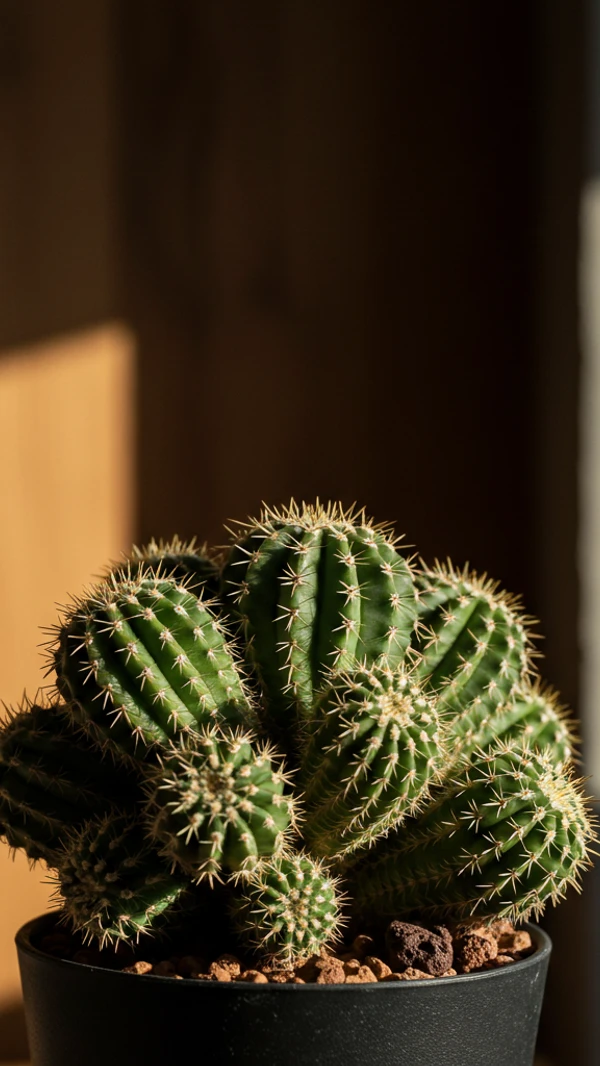
This cactus is usually easily propagated by **separating the offsets (pups) that emerge from the main stem**. Carefully detach the offsets, allow them to dry for a few days (to callous), then plant them in well-draining cactus soil. It can also be propagated from seeds, but this takes longer.

Reviews

There are no reviews for this product yet.

Care reminder list

Get seasonal care reminders for this product at your preferred frequency. You can change the email address below and unsubscribe from any reminder email.