Echinopsis arachnacantha

Spider-spined Hedgehog Cactus

Echinopsis arachnacantha: The Spiny Beauty of Bolivia

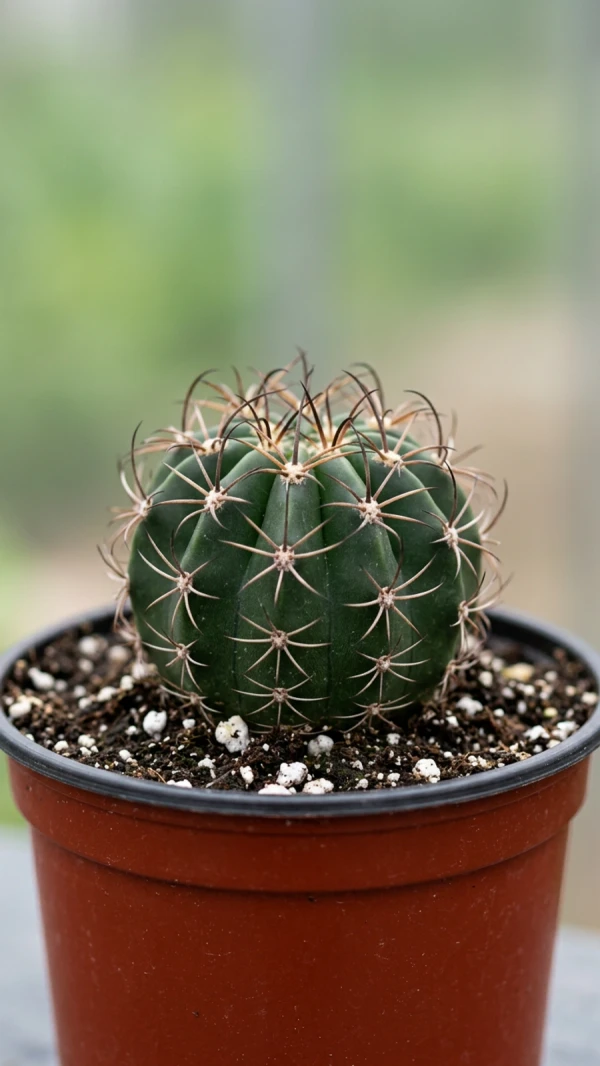
Echinopsis arachnacantha is a species of globular cactus belonging to the Cactaceae family, native to Bolivia. This genus, also known as "Hedgehog Cactus," is popular among cactus collectors for its striking flowers and relatively easy care. The species name 'arachnacantha' is derived from the Greek words 'arachnos' meaning 'spider' and 'akantha' meaning 'spine.' This name refers to the plant's delicate, whitish spines that emerge from its areoles, resembling a spider's web 1.

Morphological Characteristics

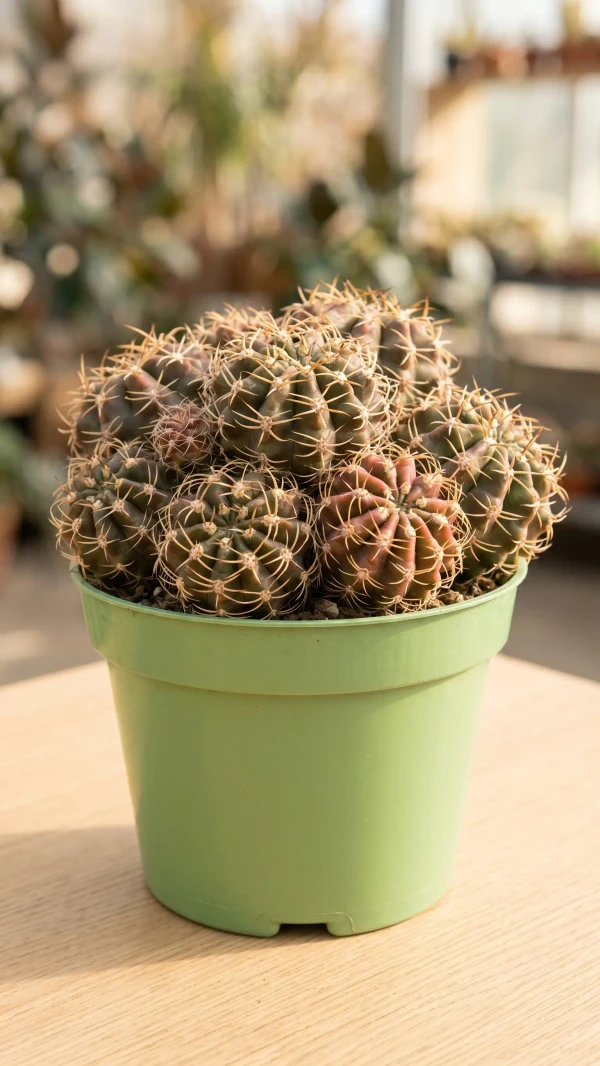
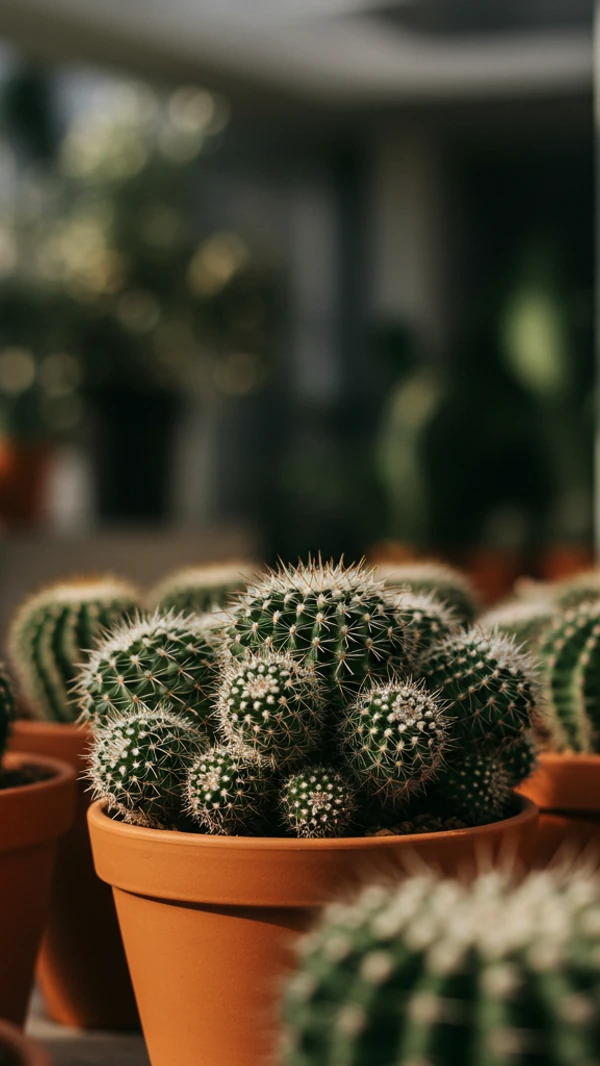
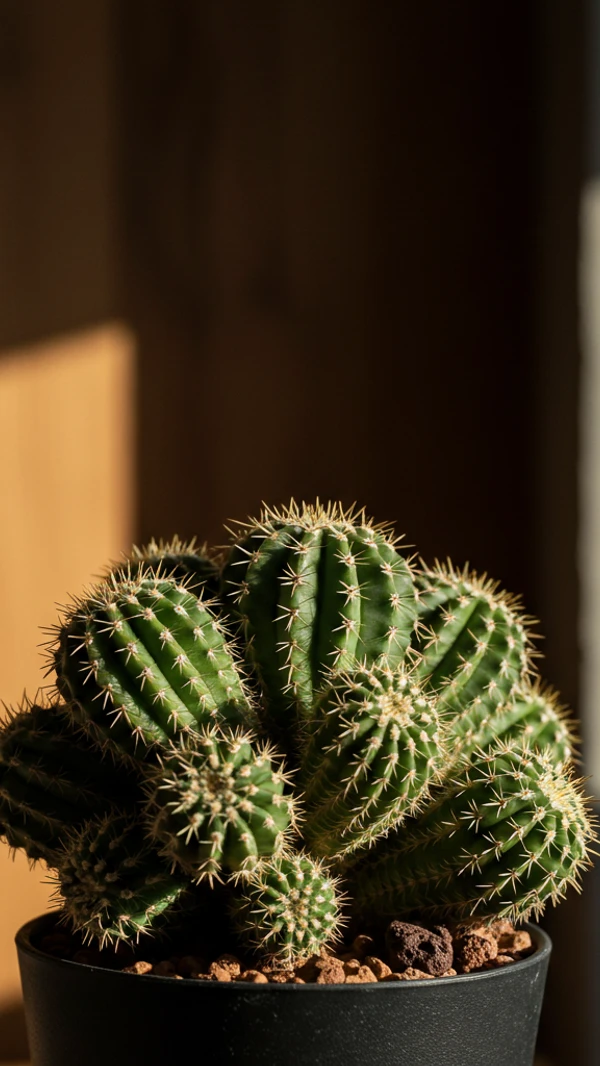
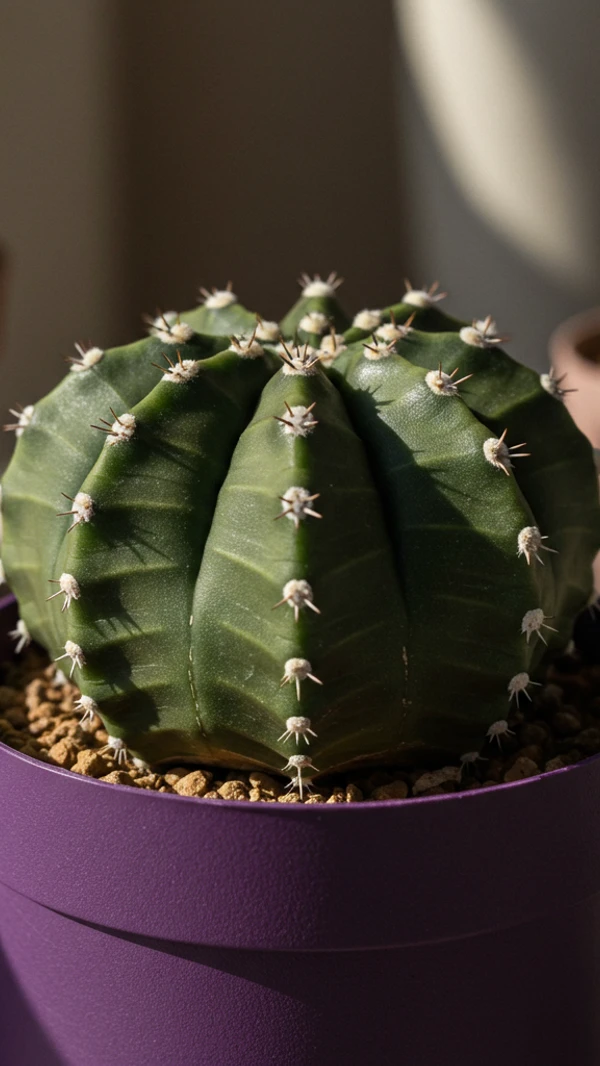
Echinopsis arachnacantha typically features a solitary or clumping, dark green to purplish-green, globular or slightly flattened stem, usually reaching 10-20 cm in diameter. The stem is surrounded by prominent ribs, usually 12 to 15 in number, which are slightly tuberculate. Each areole bears an average of 1-4 short, dark central spines and 6-10 finer, whitish, radiating radial spines. These radial spines create the spiderweb-like appearance from which the plant gets its name 2.

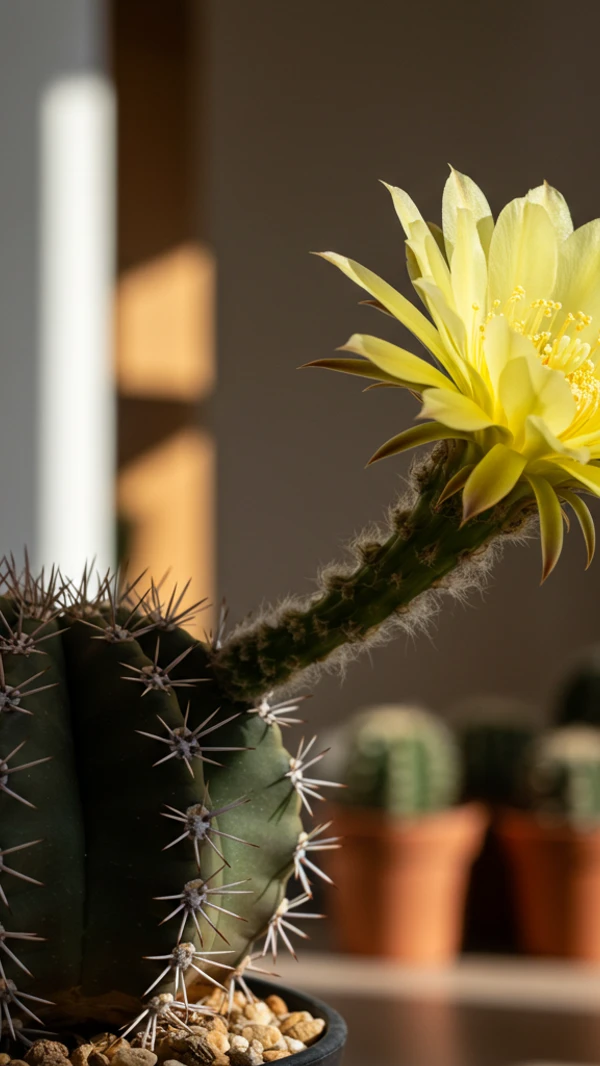
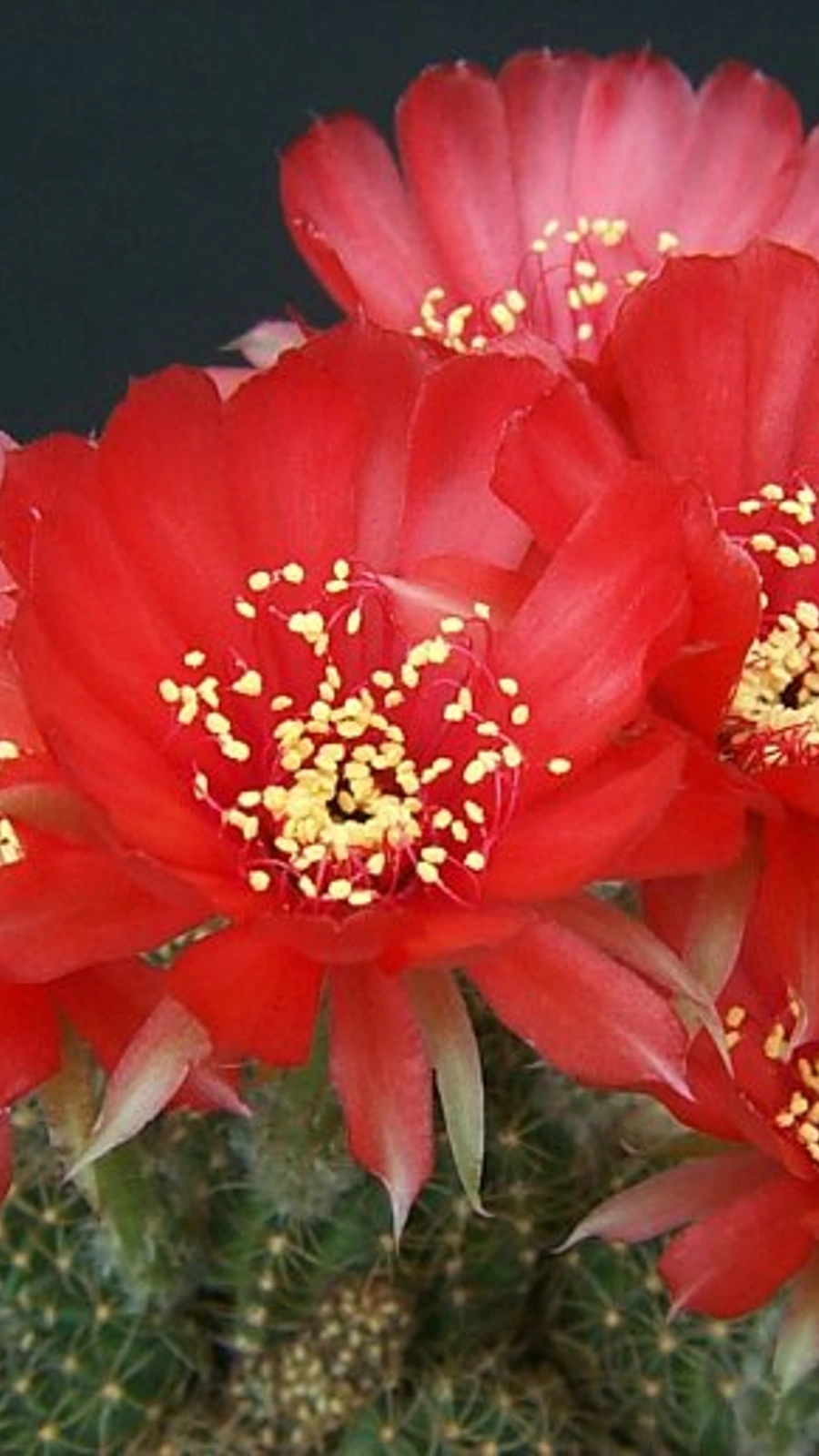
One of the most attractive features of the plant is its showy, funnel-shaped flowers, which typically bloom in summer and come in bright yellow, orange, or red. The flowers emerge from the sides of the stem and are generally open during the day, offering a captivating display for several days. Its fruits are small, hairy, and usually reddish. The seeds are tiny and black.

Habitat and Ecology

In its natural environment, Echinopsis arachnacantha is distributed in the mountainous regions of Bolivia, at high altitudes ranging from 2,000 to 3,500 meters, thriving in arid shrublands and rocky slopes. These habitats have led the plant to develop adapted features that enable it to withstand both intense sun and seasonal drought. Its succulent nature allows it to store water in its stem, helping it endure long dry periods. The plant plays an important role in the ecosystem by providing food and shelter for wildlife 3.

References

  1. Plants of the World Online (POWO), Kew Science. https://powo.science.kew.org/taxon/urn:lsid:ipni.org:names:130101-1
  2. Global Biodiversity Information Facility (GBIF). https://www.gbif.org/species/3084795
  3. Anderson, E.F. (2001). The Cactus Family. Timber Press.
Light

Direct Sun

Requires full sun or very bright, indirect light for optimal growth and flowering.

Watering

10-30 Days

Allow the soil to dry out completely between waterings. Drastically reduce or cease watering in winter to prevent root rot.

Soil

Well-draining cactus and succulent mix

Prefer a fast-draining, sandy, and mineral-rich soil mix specially formulated for cacti and succulents.

Safety

Pet Friendly

The plant's spines can be sharp, so handle with care. Generally not toxic to pets, but contact should be avoided due to spines.

Difficulty

Easy

An easy and forgiving species, suitable for beginner cactus enthusiasts.

Native Habitat

South America (Bolivia)

Echinopsis arachnacantha naturally occurs in the high-altitude mountainous regions of Bolivia, typically found on rocky slopes and in arid shrublands. The climate in these areas is characterized by intense sunlight during the day and cool temperatures at night, which explains the plant's resilience to drought and temperature fluctuations.

Frequently Asked Questions

What is the ideal potting soil for Echinopsis arachnacantha?
The most suitable soil for Echinopsis arachnacantha is a **well-draining cactus and succulent mix**. A mix enriched with materials like sand, pumice, or perlite that drains water quickly will prevent root rot. The organic matter content should be low.
How much light does this cactus require?
Echinopsis arachnacantha thrives in **full sun or very bright, indirect light**, as it is exposed to abundant sunlight in its natural habitat. If grown indoors, a south-facing window is ideal. Insufficient light can hinder flowering.
How often should Echinopsis arachnacantha be watered?
Watering should occur after the soil has completely dried out. In summer, water every 7-10 days, but in winter, when the plant is dormant, **once a month or less** is sufficient. Overwatering is the most common cause of death.
What should I do to make it bloom?
To encourage flowering, it's important for the plant to undergo a **cool and dry dormancy period in winter**. Adequate sunlight and adherence to the correct watering regimen also increase flowering success. You can apply a specialized cactus fertilizer in spring.
Is Echinopsis arachnacantha safe for pets?
Generally, *Echinopsis arachnacantha* is not considered toxic to pets. However, due to its **sharp spines**, it is important to prevent pets from direct contact with the plant. Spines can cause injuries.
How fast does this cactus grow?
Echinopsis arachnacantha is generally a **medium to slow-growing cactus**. The annual growth rate varies depending on the amount of light received, watering frequency, and overall care conditions. It can develop faster under optimal conditions.
When should I repot it?
Repotting should be done when the plant has outgrown its current pot or when roots start emerging from the bottom, typically **every 2-3 years**. Early spring, just before the active growing season, is the ideal time.
What kind of winter care does it need?
During winter months, it is crucial to keep Echinopsis arachnacantha **cool and dry**. Almost completely stop watering and protect the plant from frost. Indoors, place it in a bright spot away from heating sources.
What should I do if brown spots appear on its leaves?
Brown spots usually indicate **overwatering, root rot, or a fungal infection**. Ensure the soil is completely dry and check for adequate air circulation around the plant. If necessary, remove the plant from its pot to inspect the roots and trim any rotted parts.
How is Echinopsis arachnacantha propagated?
This cactus is usually easily propagated by **separating the offsets (pups) that emerge from the main stem**. Carefully detach the offsets, allow them to dry for a few days (to callous), then plant them in well-draining cactus soil. It can also be propagated from seeds, but this takes longer.