
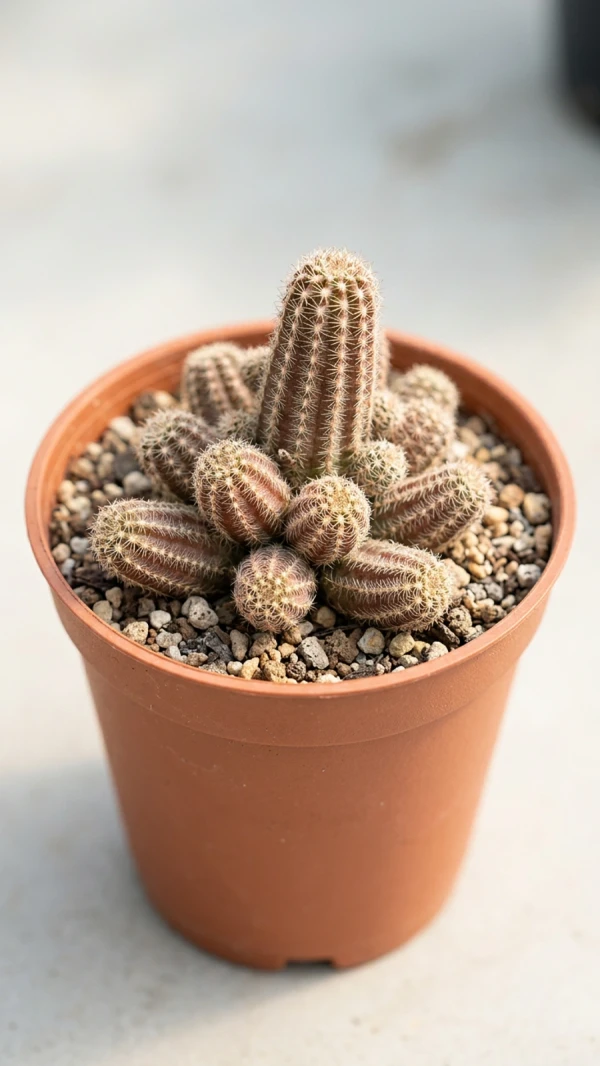
 Representative AI image
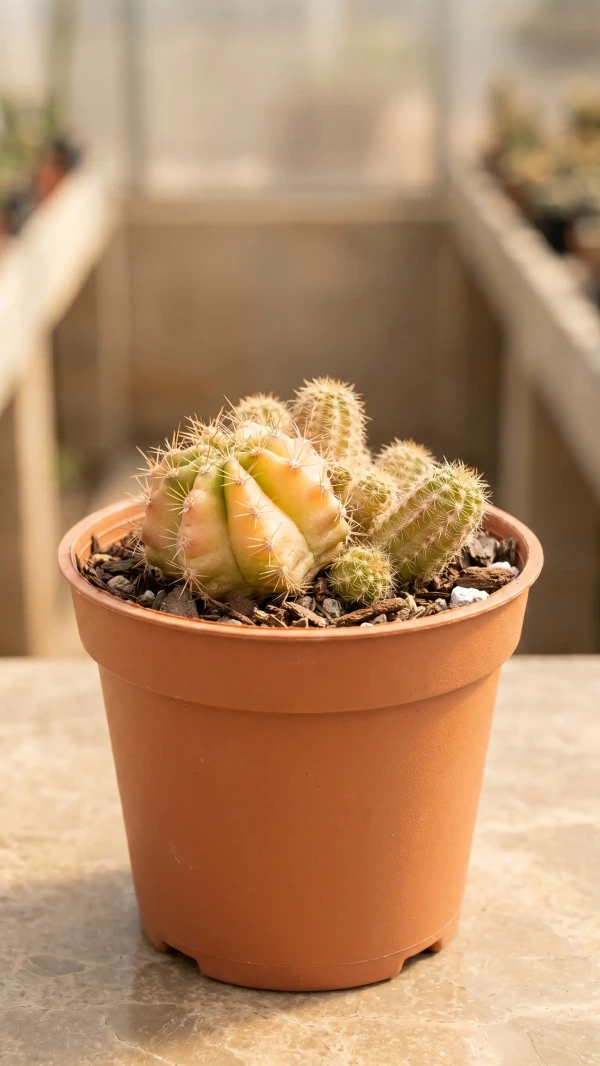 Representative AI image
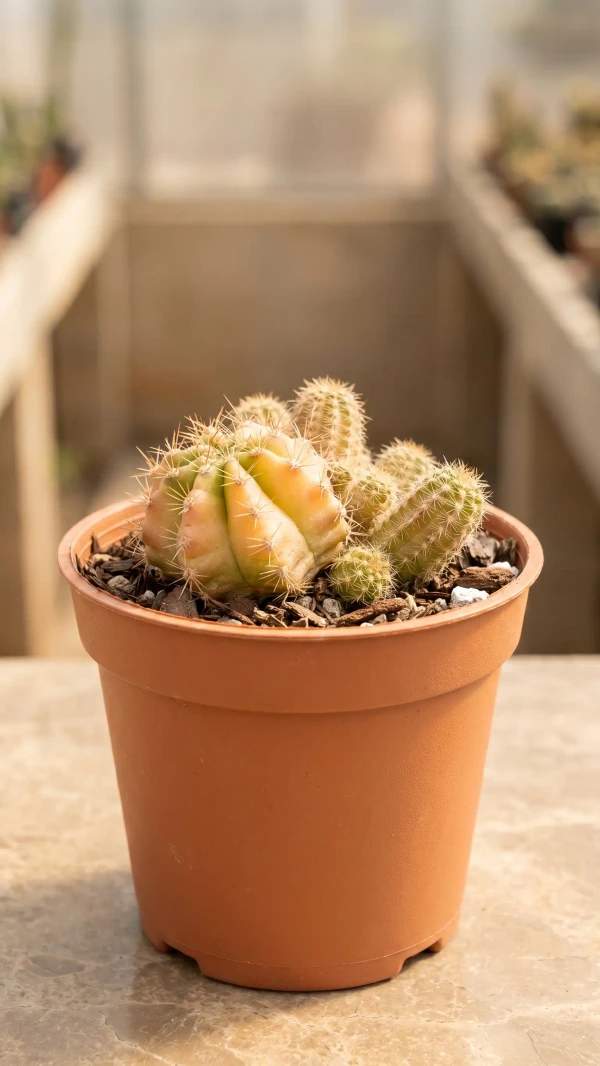 Representative AI image
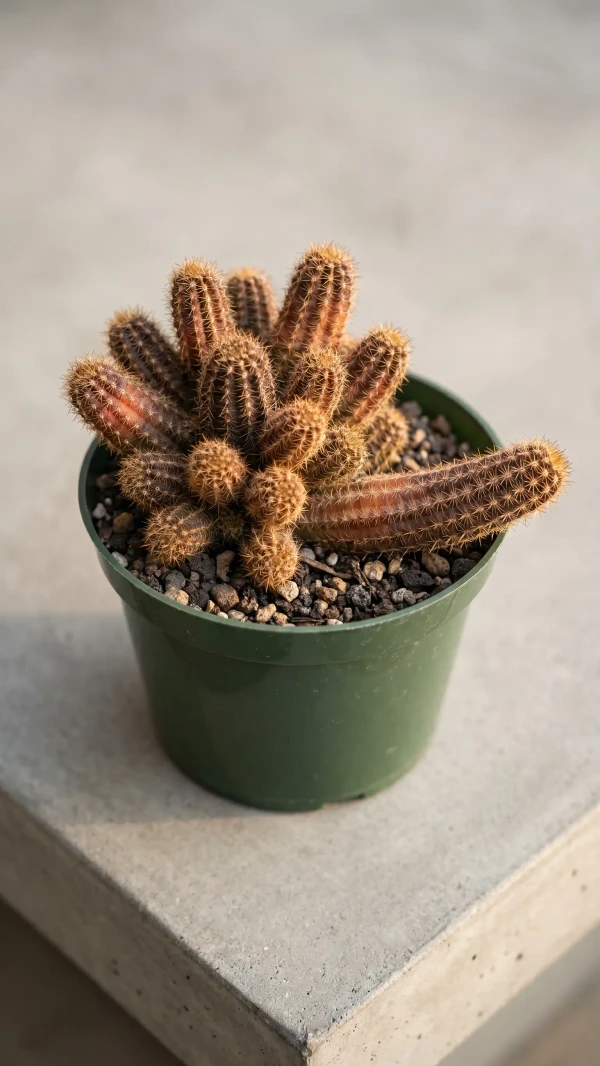 Representative AI image
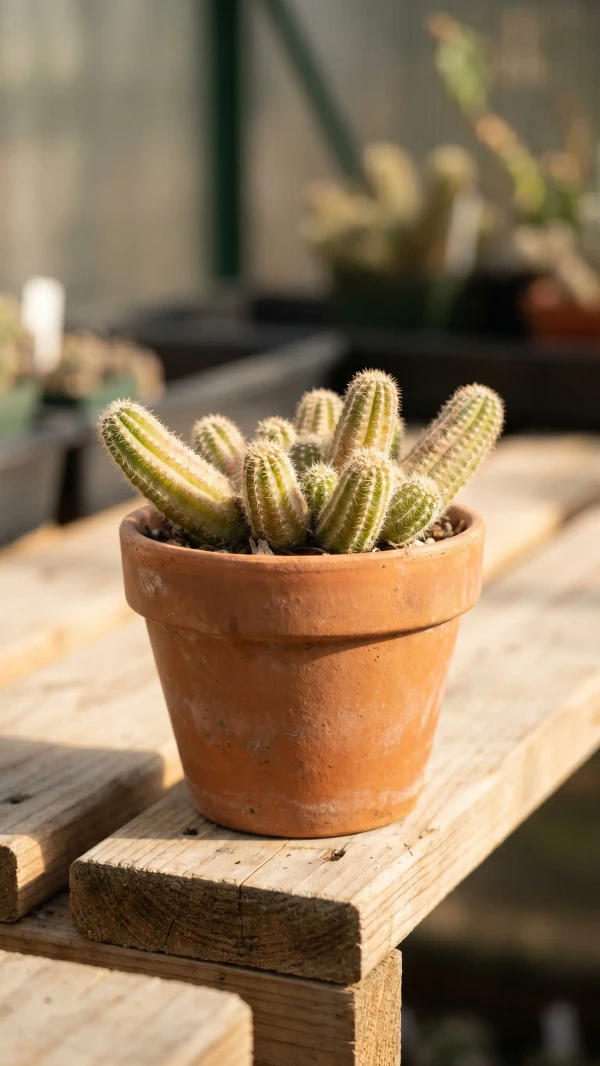 Representative AI image
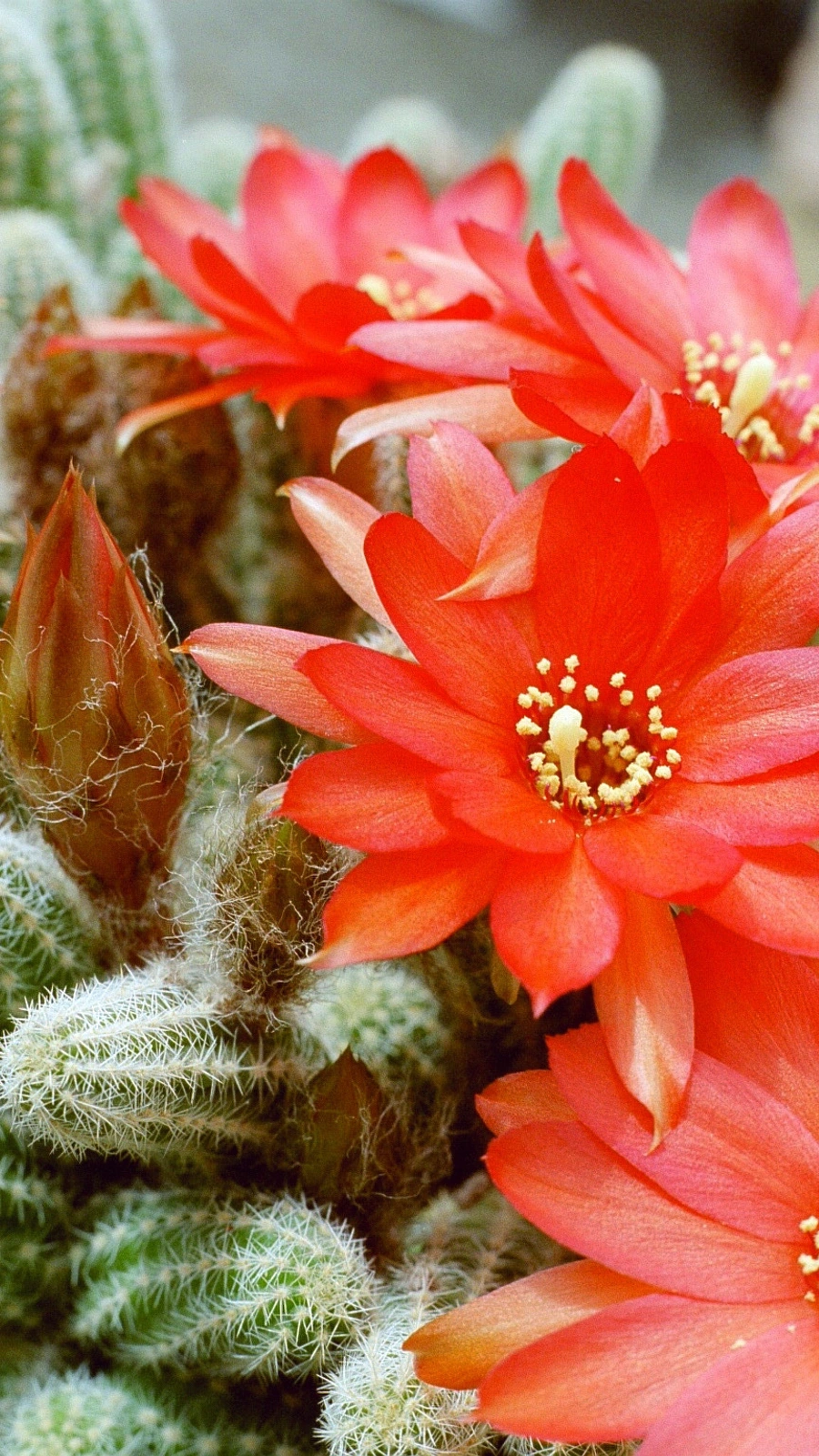 Reference image
Echinopsis chamaecereus
Peanut Cactus
Peanut Cactus (Echinopsis chamaecereus) – Vibrant and Easy-Care
Looking to add a lively touch to your home or office? Echinopsis chamaecereus, commonly known as the Peanut Cactus, is a delightful species known for its slender, finger-like stems and brilliant orange-red flowers. This cactus is ideal for both seasoned collectors and those new to plant care.
Why Choose a Peanut Cactus?
- Effortless Care: Echinopsis chamaecereus is a resilient species that thrives with minimal water and ample light. Its care requirements are remarkably straightforward.
- Fast Growth and Proliferation: It quickly produces offsets, forming attractive clusters that fill its pot. You can easily separate these offsets to propagate new plants.
- Spectacular Blooms: In spring, it puts on a stunning display with its trumpet-shaped, vibrant flowers. While each bloom typically lasts only a day, they open in succession, providing prolonged beauty.
- Compact Form: It grows comfortably even in small pots, making it a perfect choice for windowsills, desks, or small shelves.
The Peanut Cactus is an excellent choice for anyone seeking maximum enjoyment with minimum effort. Enhance your collection with this vibrant beauty, carefully cultivated by Kaktüs Doktoru!
Optimal: 24 °C
The live `low_light` operational enum is preserved exactly and is not presented as a newly researched light class; acclimate toward bright indirect light while observing stem elongation and colour change.
Use a stable pot that supports the clumping slender stems and an airy, fast-draining mineral-forward mix.
Do not use a fixed-day calendar; water in a controlled cycle after the mix and root zone have dried throughout, and extend the interval in cool or low-light periods.
Live operational care class: moderate.
Frequently Asked Questions
What is the accepted name?
What is its native range?
What is its conservation record?
How often is it watered?
What medium is suitable?
What light is suitable?
Are synonyms separate routes?
Does a product photo prove identity?
Reviews
There are no reviews for this product yet.
Recently Viewed
Care reminder list
Get seasonal care reminders for this product at your preferred frequency. You can change the email address below and unsubscribe from any reminder email.
