
 Reference image
 Reference image
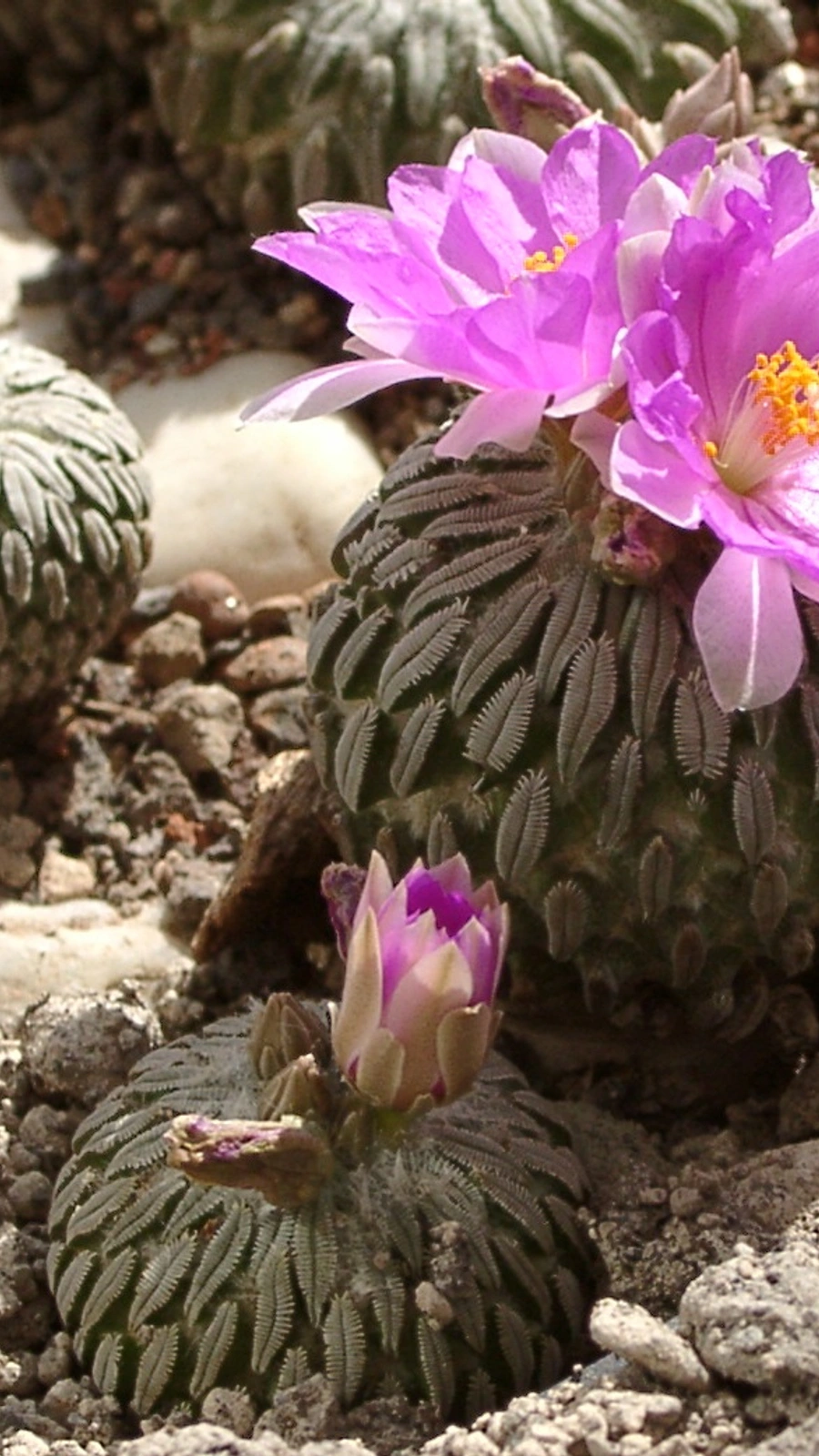
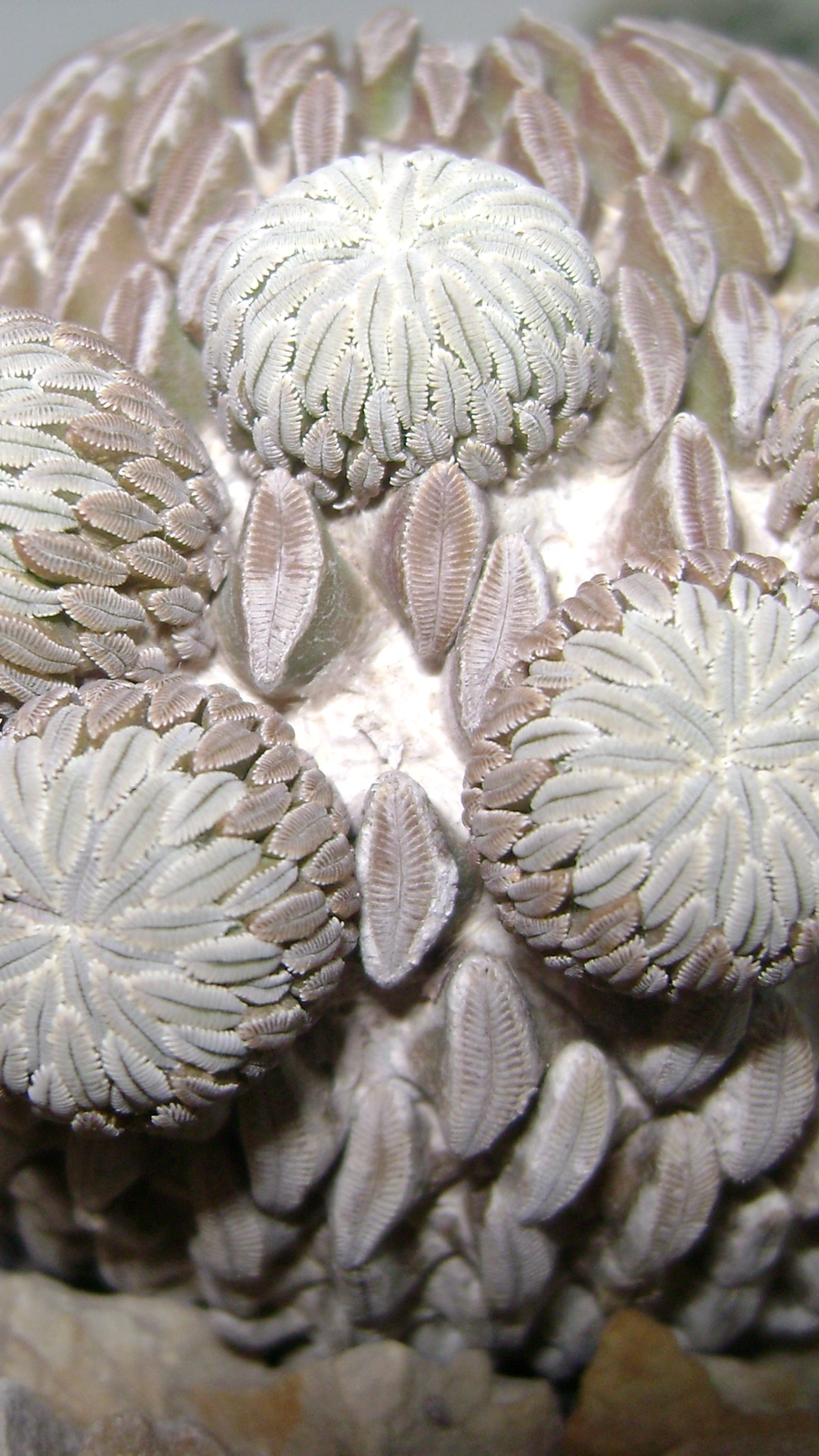
Lactomamillara aselliformoides
Woodlouse Cactus
Lactomamillara aselliformoides: The Enigmatic Allure of the Woodlouse Cactus
If you're seeking a rare and captivating addition to your collection, Lactomamillara aselliformoides is the perfect choice! Also known as the 'Woodlouse Cactus', this species derives its name from the unique, segmented appearance of its body, reminiscent of woodlice. The dense, fine spines adorning each tubercle give it a textured and exotic appeal.
Why Choose Lactomamillara aselliformoides?
- Visual Spectacle: Its unusual body form and spine arrangement set it apart from other cacti, offering a fascinating aesthetic from every angle.
- Moderate Care: Ideal for experienced cactus enthusiasts, and a moderately challenging yet rewarding experience for those new to cactus care. With proper attention, you'll witness its healthy growth.
- Collector's Item: As a rare find, it will significantly enhance your cactus collection and serve as an intriguing conversation starter.
- Indoor Compatibility: Perfect for bright, indirect light locations like windowsills or desks, adding a touch of exotic charm to your home or office.
Choose Lactomamillara aselliformoides to bring an exotic flair to your living or workspace, enrich your cactus collection, or present an unforgettable gift to a loved one. Get this healthy, carefully cultivated special plant today with Kaktüs Doktoru's assurance!
Optimal: 25 °C
Abundant bright, indirect light is ideal, protecting it from intense midday sun. Exposure to morning or late afternoon direct sun can be beneficial.
Use a fast-draining, mineral-rich cactus and succulent mix. A substrate with a high proportion of sand, pumice, and perlite is ideal.
Allow the soil to dry out completely between waterings. Water sparingly in summer, perhaps every 10-14 days depending on drying speed, and almost no water in winter.
Mastering the correct watering regimen and providing adequate light are key. It may require a bit of practice for beginners to get it just right.
Frequently Asked Questions
What plant is Lactomamillara aselliformoides actually?
How much light does the Woodlouse Cactus need?
How often should I water it?
What type of soil should I use?
Does the Woodlouse Cactus flower indoors?
How fast does it grow?
Is it toxic to pets?
What are common problems with the Woodlouse Cactus?
How is it propagated?
What is the ideal temperature range?
Reviews
There are no reviews for this product yet.
Recently Viewed
Care reminder list
Get seasonal care reminders for this product at your preferred frequency. You can change the email address below and unsubscribe from any reminder email.
