
Lactomamillara aselliformoides

Woodlouse Cactus

What is Lactomamillara aselliformoides?

The scientific name 'Lactomamillara aselliformoides' is generally considered a synonym or misidentification for the species Mammillaria aselliformis within botanical circles. Therefore, this description will focus on the characteristics of Mammillaria aselliformis, commonly known as the 'Woodlouse Cactus'. Mammillaria aselliformis is a small, rare, and highly sought-after cactus species, particularly popular among collectors. 1

Physical Characteristics

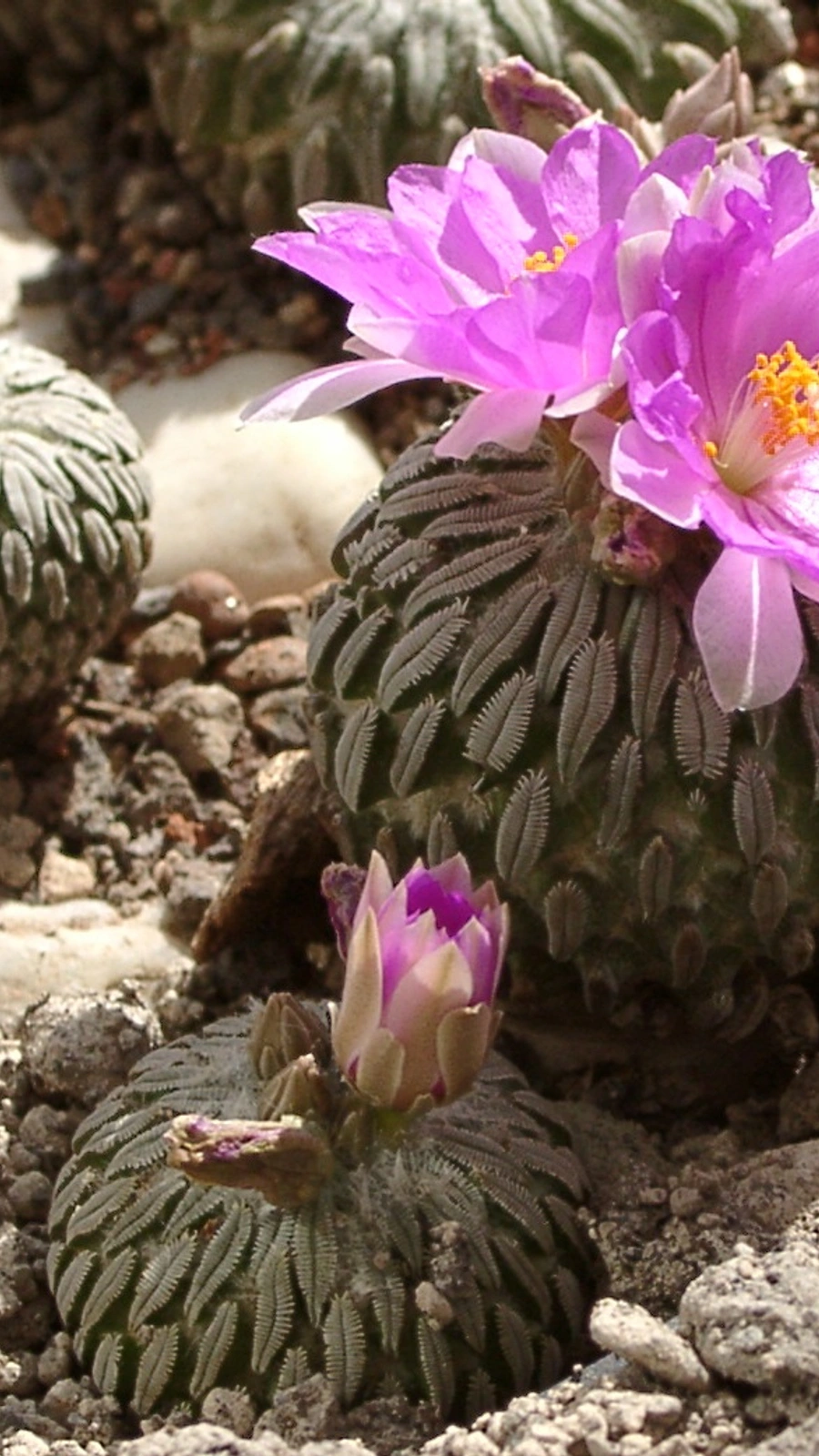
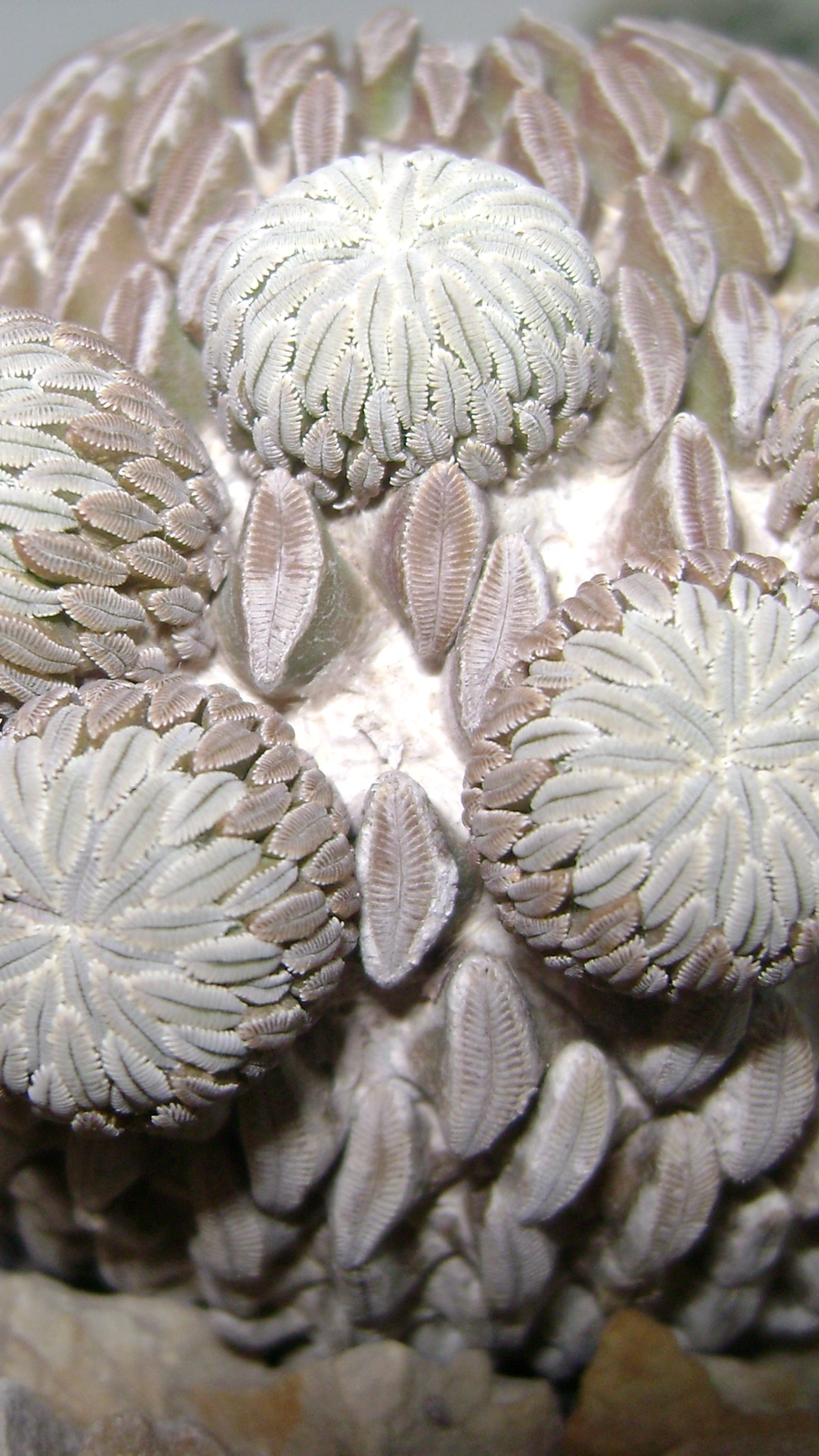
This cactus species is distinguished by its small, columnar stems that resemble a woodlouse, hence its common name. It typically grows solitarily but can eventually form clumps by producing offsets from the base. The stems usually reach 5-10 cm in height and 2-4 cm in diameter. Key features include:

  • Tubercles: The stems are covered with flat, slightly compressed, imbricated tubercles, which give the plant its unique appearance.
  • Spines: Short, whitish, hair-like spines emerge from the top of the tubercles, contributing to an overall furry or bristly look.
  • Flowers: Small, tubular flowers, ranging in color from white to pink, emerge from between the tubercles near the apex of the stem in late spring to early summer. 2

Natural Habitat and Cultivation

Mammillaria aselliformis is endemic to the states of Coahuila and San Luis Potosí in Mexico. It typically thrives on limestone rocky slopes and dry riverbeds, growing alongside other small desert plants. In its natural habitat, it has adapted to harsh conditions. For cultivation at home, this species requires fast-draining soil and ample sunlight. Overwatering should be avoided, and watering should be minimal to non-existent during winter months.

References:

References

  1. Plants of the World Online (POWO): [https://powo.science.kew.org/taxon/urn:lsid:ipni.org:names:138138-1]
  2. LLIFLE Encyclopedia of Cacti: [http://www.llifle.com/Encyclopedia/CACTI/Family/Cactaceae/10065/Mammillaria_aselliformis]
Light

Bright Indirect Light

Abundant bright, indirect light is ideal, protecting it from intense midday sun. Exposure to morning or late afternoon direct sun can be beneficial.
Watering

12-40 Days

Allow the soil to dry out completely between waterings. Water sparingly in summer, perhaps every 10-14 days depending on drying speed, and almost no water in winter.

Soil

Fast-draining cactus and succulent mix

Use a fast-draining, mineral-rich cactus and succulent mix. A substrate with a high proportion of sand, pumice, and perlite is ideal.

Safety

Pet Friendly

The Woodlouse Cactus has short, hair-like spines that can prick the skin or cause irritation. It's best to avoid touching it, especially for pets and young children.

Difficulty

Moderate

Mastering the correct watering regimen and providing adequate light are key. It may require a bit of practice for beginners to get it just right.

Native Habitat

Mexico

The Woodlouse Cactus is native to the central regions of Mexico, specifically the arid, desert-like limestone mountainous areas of the states of Coahuila and San Luis Potosí. This species is typically found on open, sunny slopes and rocky terrains, growing alongside other xerophytic plants.

Frequently Asked Questions

What plant is Lactomamillara aselliformoides actually?
The term Lactomamillara aselliformoides typically refers to the plant known as **Mammillaria aselliformis**, the Woodlouse Cactus. Lactomamillara is not a recognized genus name.
How much light does the Woodlouse Cactus need?
This cactus prefers bright, indirect light conditions, protected from intense midday sun. Exposure to morning or late afternoon direct sunlight is ideal for its healthy growth.
How often should I water it?
Ensure the soil dries out completely between waterings. While it can be watered every 10-14 days in summer, you should almost entirely cease watering during the winter months.
What type of soil should I use?
You should use a fast-draining, mineral-rich soil mix specifically formulated for cacti and succulents. Mixes containing sand, perlite, and pumice are preferred.
Does the Woodlouse Cactus flower indoors?
Yes, when provided with adequate light and proper care conditions, the Woodlouse Cactus can produce small, white to pinkish flowers in late spring to early summer.
How fast does it grow?
This cactus species is a slow grower. It may only grow a few centimeters per year, and clumping occurs over time. It is a plant that requires patience.
Is it toxic to pets?
Generally, the Woodlouse Cactus is not considered toxic. However, its spines can pose a physical hazard to pets, so it's advisable to keep it out of their reach.
What are common problems with the Woodlouse Cactus?
The most common problem is root rot due to overwatering. Insufficient light can lead to stunted growth and poor development. Also, watch out for pests like mealybugs.
How is it propagated?
The Woodlouse Cactus is typically propagated from seeds or by carefully separating offsets that emerge from the base over time. Detach offsets, allow them to callus, then plant them in soil.
What is the ideal temperature range?
This cactus prefers temperatures between 20-30°C during the day. In winter, during its dormant period, it can tolerate temperatures as low as 7°C, but it must be protected from frost.