KD_LOPHOPHORA_WILLIAMSII_001

Lophophora williamsii

Peyote

TRY 3,025
In Stock

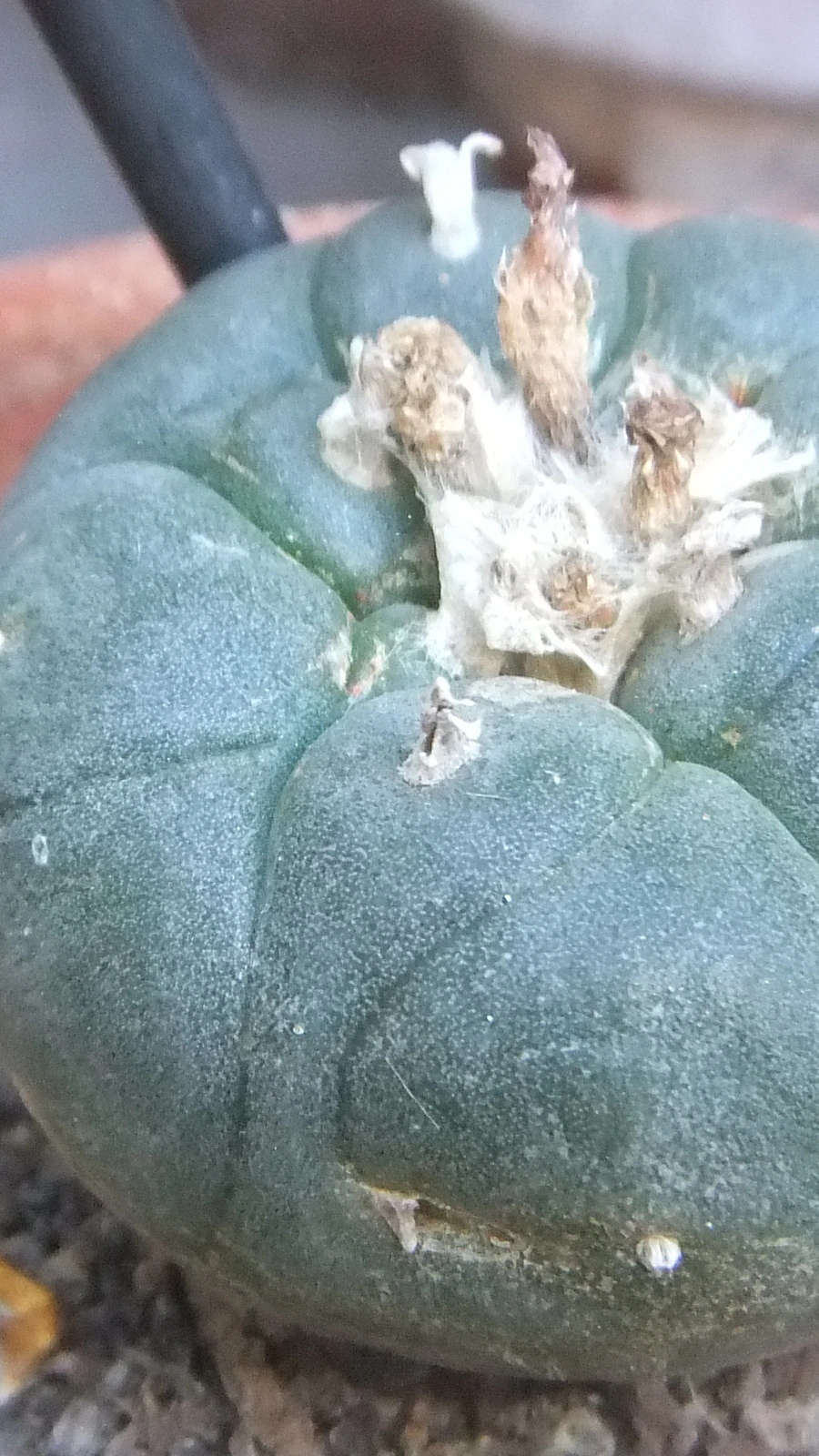
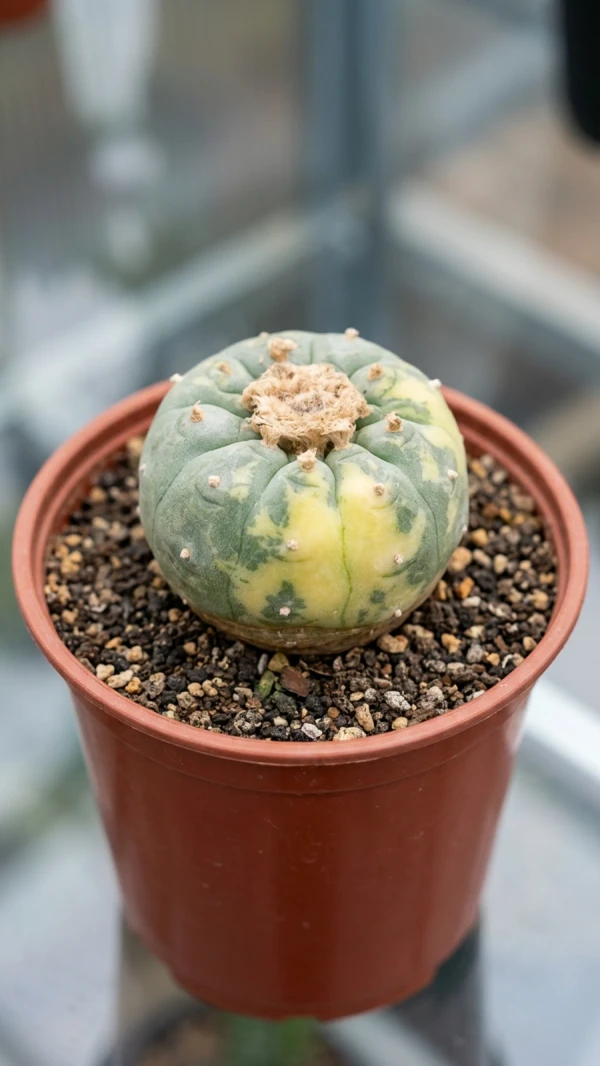
Lophophora williamsii is a slow-growing, unique cactus species. Offered with Kaktüs Doktoru assurance, this rare plant is destined to be one of the most cherished pieces in your collection. Growing naturally on rocky slopes, Lophophora williamsii typically has a flattened, spherical body above the soil surface. It stands apart from other cacti with its fuzzy areoles and almost spineless nature. While its care requires specific knowledge, it is a calm and impressive presence that will stay with you for many years when provided with the right environment. Window sills in homes and offices that receive light but are not exposed to direct sun are ideal. It adds an aesthetic touch to minimalist and modern interiors.

Free Shipping
Temperature
5-40 °C

Optimal: 25 °C

Light
Filtered Sun

Bright, indirect light is best. Protect from intense midday sun; morning sun or filtered light is ideal.

Soil
Very well-draining, mineral-rich cactus and succulent mix

Opt for a mineral-heavy, very well-draining cactus and succulent mix. It thrives in calcareous soils.

Water
18-45 Days

Water only when the soil is completely dry to the touch. Keep entirely dry during winter. Overwatering is the most common cause of rot.

Difficulty
Hard

Due to its sensitivity to overwatering and specific soil requirements, Lophophora williamsii is considered a moderate to hard plant to care for. Not recommended for beginners.

Frequently Asked Questions

How often should Peyote cactus be watered?
Peyote is accustomed to arid conditions in its natural habitat, so overwatering is the biggest danger, leading to root rot. **During summer**, when the soil is completely dry, it can be watered deeply approximately every 15-20 days. **During winter**, as the plant enters dormancy, watering should be completely ceased or done very rarely, just to prevent extreme dehydration of the soil.
What kind of light does Peyote prefer?
Peyote prefers bright, but filtered light, protected from intense midday sun, which can cause sunburn. A windowsill receiving morning sun or dappled light is ideal. Insufficient light can lead to weak and etiolated growth.
What is the most suitable soil mix for Peyote?
The most crucial factor for Peyote soil is excellent drainage. Create a mineral-heavy, fast-draining medium by amending a commercial cactus and succulent mix with pumice, perlite, limestone grit, or small gravel. It thrives in calcareous soils.
Does Peyote cactus flower, and when?
Yes, Peyote cactus typically produces small, funnel-shaped flowers, usually pink or white, during late spring and early summer. These flowers generally open during the day and wilt within a few days. The plant's age and maturity level influence its ability to flower.
What is the growth rate of Peyote?
Peyote is an extremely slow-growing cactus. In its natural habitat, it can take decades to reach maturity. While proper care in cultivation can slightly accelerate this process, it still requires patience. It may only grow a few millimeters per year.
Is Peyote toxic to pets?
Yes, Peyote contains potent alkaloids, particularly mescaline, and is **highly toxic** to pets if ingested. Beyond its hallucinogenic effects, it can cause gastrointestinal upset, vomiting, tremors, and more severe neurological issues. It must be kept strictly out of reach of pets.
What is the ideal pot for Peyote?
A pot with excellent drainage holes is essential for Peyote. Preferably, a shallow and wide pot made of a breathable material (e.g., terracotta or ceramic) that allows the soil to dry out faster is ideal. Never plant it in an oversized pot to prevent root rot.
How is Peyote propagated?
Peyote is primarily propagated from seed, though this process is very slow and requires patience. When it produces small offsets, these can be carefully separated and attempted to root. However, growing from seed is the most common and natural method.
How should Peyote be cared for in winter?
During winter months, Peyote enters a dormant phase. Watering should be completely stopped, and the plant should be kept in a cool (around 5-10°C or 40-50°F) but frost-free location. It's important that it continues to receive adequate light. This dormancy period is essential for healthy growth and flowering in spring.
What are common problems with Peyote?
The most common problem with Peyote is **root rot caused by overwatering**. Additionally, etiolation (stretching) can occur with insufficient light, and pests like spider mites or mealybugs might appear. Good drainage, appropriate watering, and sufficient light will prevent most of these issues.

Reviews

There are no reviews for this product yet.

Care reminder list

Get seasonal care reminders for this product at your preferred frequency. You can change the email address below and unsubscribe from any reminder email.