
Light
Filtered Sun
Bright, indirect light is best. Protect from intense midday sun; morning sun or filtered light is ideal.
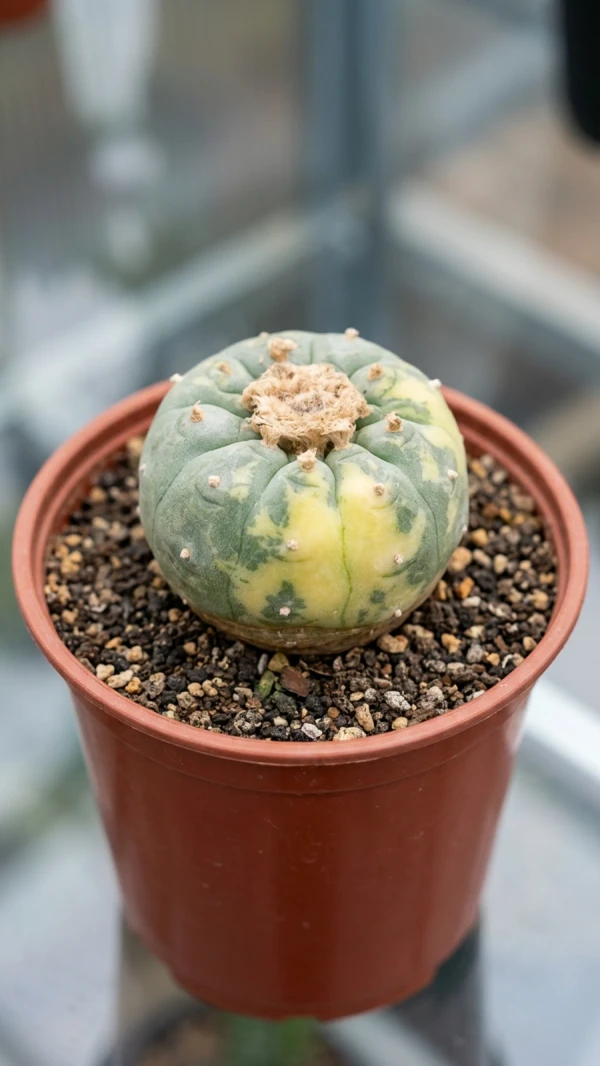
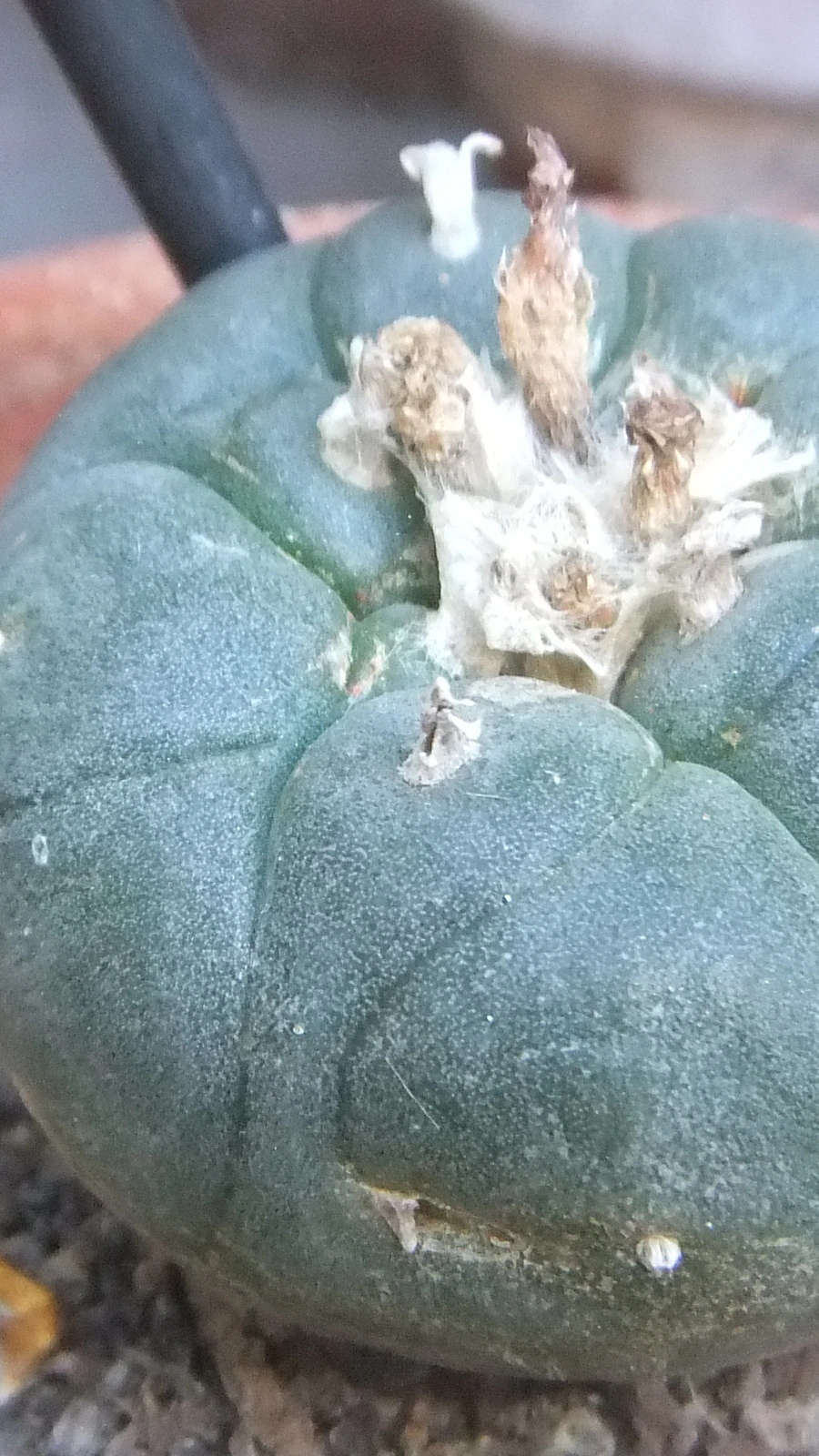 Reference image
Peyote
Lophophora williamsii, commonly known as Peyote, is a small, spineless, slow-growing cactus species belonging to the Cactaceae family. It is native to arid and semi-arid regions stretching from southern Texas into northern Mexico. The plant typically appears as a flattened, spherical "button" that barely rises above the ground, exhibiting a gray-green to blue-green hue. Its crown features distinct ribs covered with tufts of woolly hairs (areoles). It produces small, usually pink or white flowers that bloom during the day and fade within a few days. Peyote is notable for its extremely slow growth rate and unique morphology; it can take decades for a plant to reach maturity from seed .
The most prominent feature of Lophophora williamsii is its rich content of various alkaloids, chief among them mescaline, known for its hallucinogenic effects. These chemical compounds serve both as a defense mechanism against herbivores and have led to its extensive use in religious and shamanic rituals by indigenous North American tribes for centuries. Due to its psychoactive properties, the cactus is subject to strict legal regulations internationally. In many countries, its cultivation, possession, and trade are illegal or heavily restricted .
Peyote is listed as "Vulnerable" on the IUCN Red List. Populations of the plant are significantly declining due to both illegal harvesting (overcollection) and habitat loss and degradation. Its natural habitats, particularly in Texas, are under pressure from human activities such as agriculture and cattle grazing. This situation necessitates urgent conservation measures to ensure the species' survival. Sustainable harvesting practices and habitat protection efforts are crucial for the future of this iconic cactus.---Sources: "Lophophora williamsii". Plants of the World Online, Royal Botanic Gardens, Kew. Retrieved from: https://powo.science.kew.org/taxon/urn:lsid:ipni.org:names:130985-1 Schultes, Richard Evans, and Albert Hofmann. Plants of the Gods: Their Sacred, Healing, and Hallucinogenic Powers. Healing Arts Press, 1992.
Bright, indirect light is best. Protect from intense midday sun; morning sun or filtered light is ideal.
Water only when the soil is completely dry to the touch. Keep entirely dry during winter. Overwatering is the most common cause of rot.
Opt for a mineral-heavy, very well-draining cactus and succulent mix. It thrives in calcareous soils.
Peyote contains potent hallucinogenic alkaloids, notably mescaline. Ingestion can lead to severe effects and is illegal in many regions. It must be kept strictly out of reach of pets and children.
Due to its sensitivity to overwatering and specific soil requirements, Lophophora williamsii is considered a moderate to hard plant to care for. Not recommended for beginners.
Lophophora williamsii is native to the arid and semi-arid regions of southern North America, primarily extending from the Rio Grande Valley in Texas, USA, southwards into northeastern Mexican states such as Coahuila, Nuevo León, San Luis Potosí, and Tamaulipas. It thrives in limestone hills and gravelly plains, preferring dry, mineral-rich soils. The plant is often found growing on flat, rocky terrain, frequently under the protection of nurse plants or small shrubs, which offer some shade and protection from extreme elements.
