KD_MAMMILLARIA_HAHNIANA_001

Mammillaria hahniana

Old Man Cactus

TRY 550
In Stock
Last one

Mammillaria hahniana: Meet the Old Man Cactus

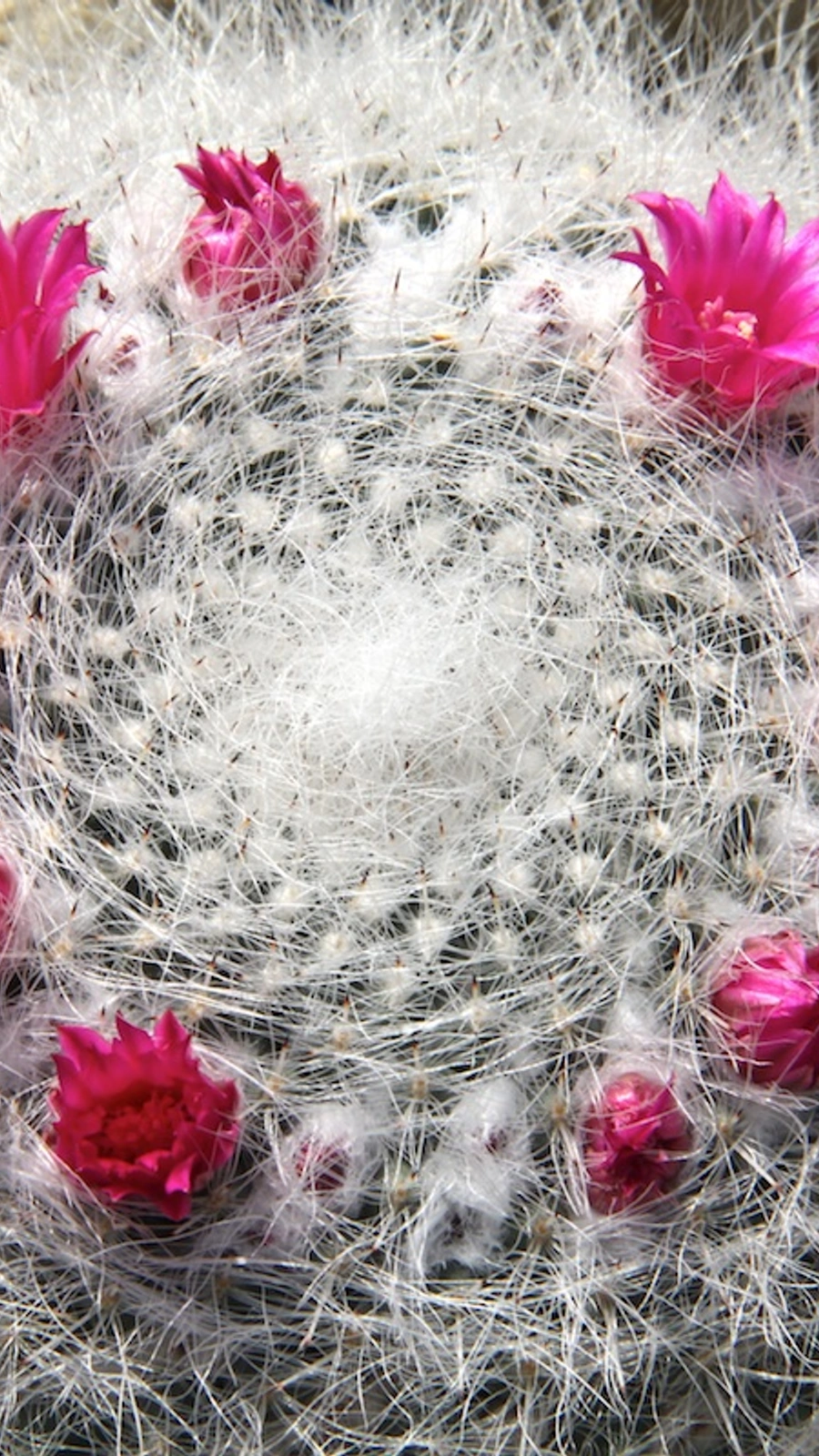
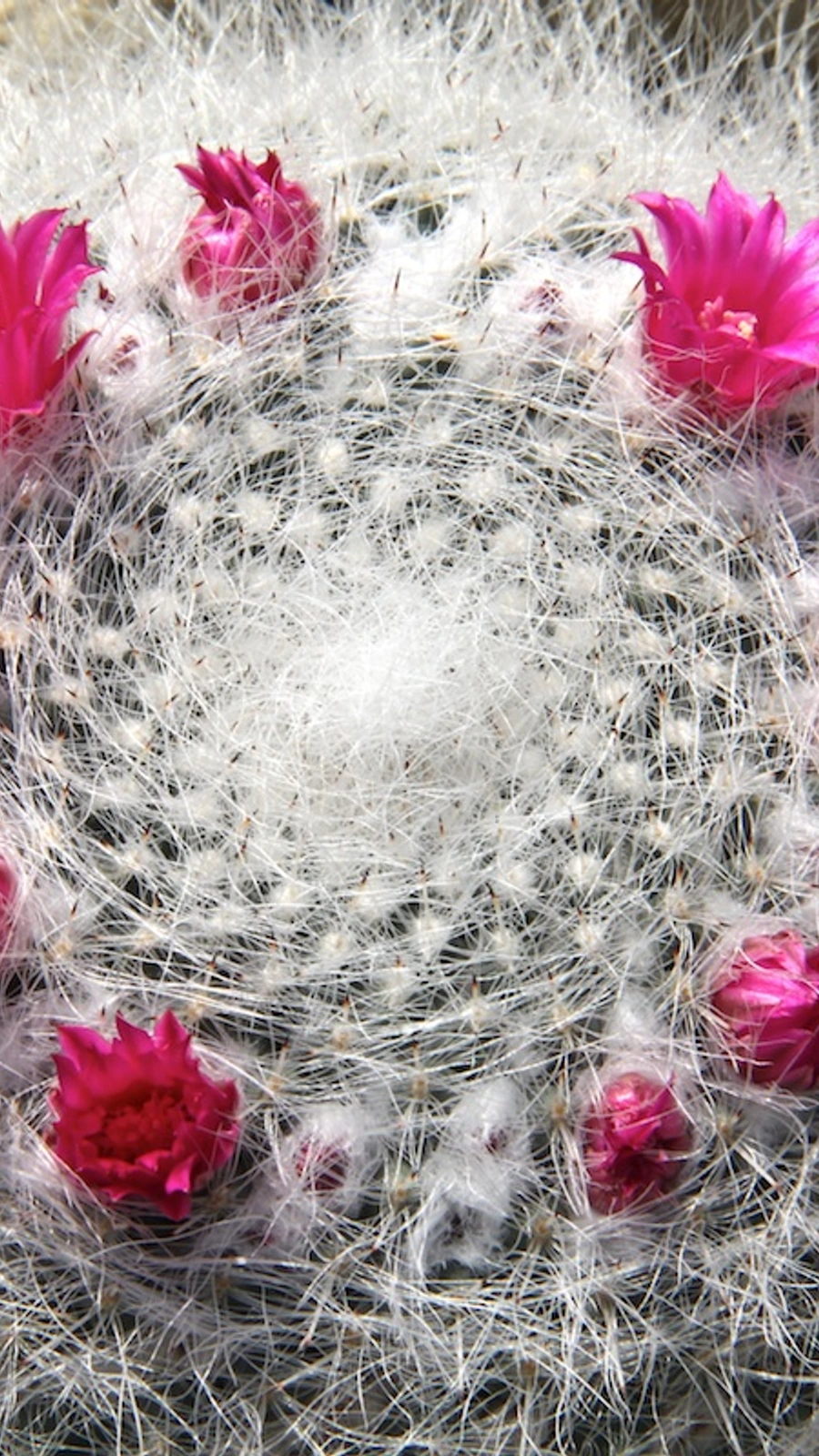
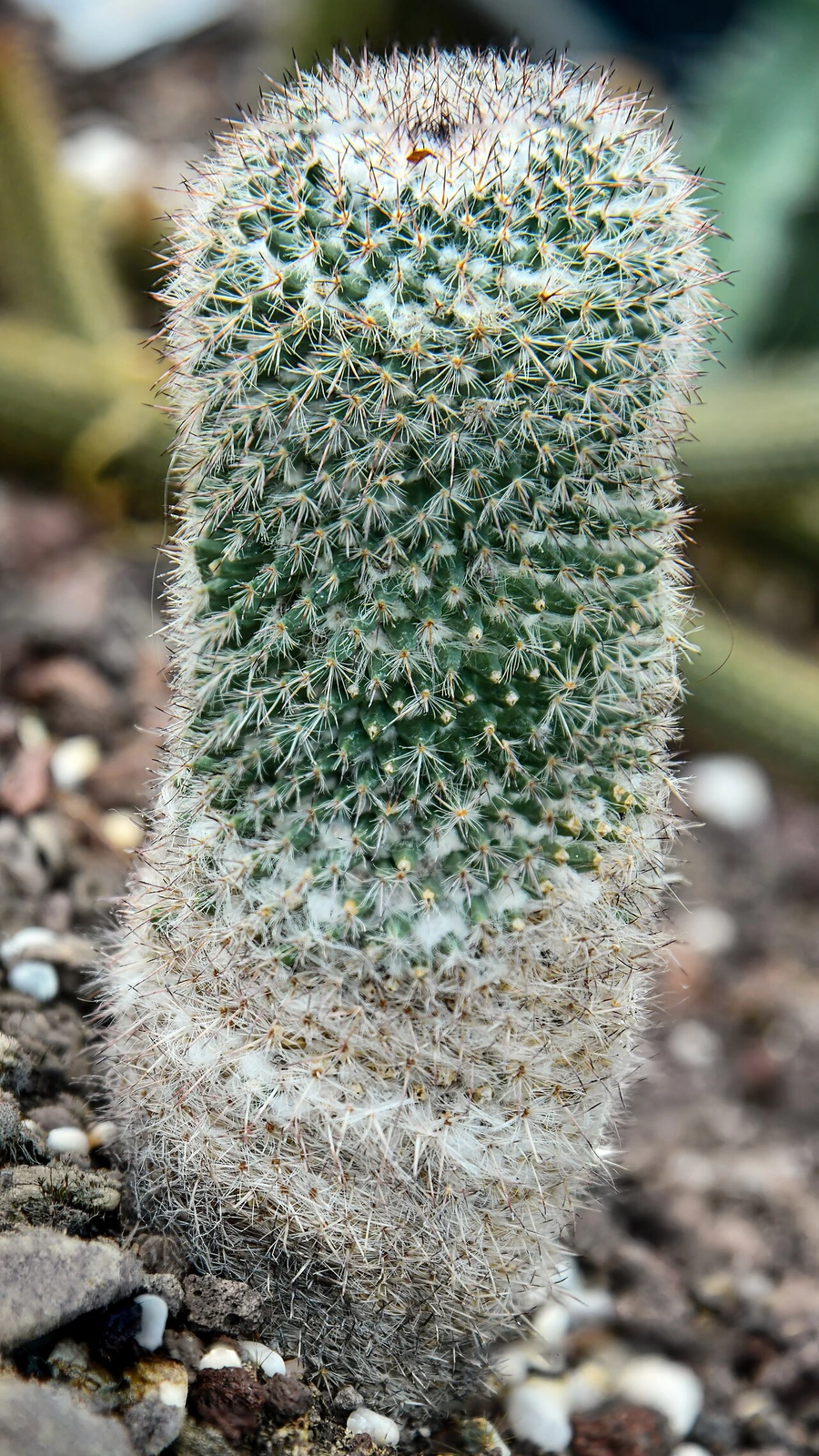
This unique cactus species earns its "Old Man Cactus" nickname from the dense, white, hair-like spines covering its body. Resembling nature's own bearded sage, Mammillaria hahniana is a captivating choice for both seasoned cactus collectors and beginners alike.

Why Mammillaria hahniana?

  • Unique Appearance: Its thick white "hairs" give it a soft, inviting touch, while concealing protective spines underneath. It offers a visual feast in every season.
  • Easy Care: With its low water requirements and preference for bright, but filtered light, it easily adapts to busy lifestyles.
  • Collector's Item: Ideal for those looking to add an aesthetically pleasing and interesting species to their cactus collection.

Each Mammillaria hahniana offered by Kaktüs Doktoru is healthy and ready to thrive. Invite this special cactus into your home and transform your living space with its serene beauty.

Free Shipping
Temperature
5-35 °C

Optimal: 24 °C

Light
Filtered Sun

Place in bright, filtered sunlight or a spot with morning sun. Protect from harsh afternoon direct sunlight to prevent scorching.

Soil
Well-draining cactus and succulent mix, rich in minerals and grit.

Use an airy, very well-draining cactus/succulent mix with plenty of grit, perlite, or pumice. This is crucial to prevent root rot.

Water
14-45 Days

Water thoroughly when the soil is completely dry during summer; reduce or cease watering entirely in winter. Avoid overwatering at all costs.

Difficulty
Easy

It's a relatively easy cactus to care for, suitable even for beginners. However, overwatering is the most common pitfall.

Frequently Asked Questions

How often should I water my Mammillaria hahniana?
During summer, water thoroughly when the soil has completely dried out, approximately every two weeks. In winter, as the plant enters dormancy, reduce watering to once a month or even less, almost ceasing it. It's crucial to check soil moisture before watering.
How much light does this cactus need?
*Mammillaria hahniana* thrives in bright, filtered sunlight. A windowsill with morning sun is ideal. It should be protected from harsh direct afternoon sun, which can cause scorching.
What is the best soil mix for Mammillaria hahniana?
A very well-draining soil mix is essential to prevent root rot. Enhance standard cactus and succulent potting mix by adding mineral components such as perlite, pumice, or coarse sand to improve drainage.
Is Mammillaria hahniana toxic to pets?
Generally, *Mammillaria hahniana* is considered non-toxic. However, its sharp spines can cause injury if pets or children become curious. It's advisable to keep the plant in a safe, inaccessible location.
Why isn't my cactus flowering?
For flowering, the plant needs sufficient light, a correct watering regimen, and especially a period of dormancy during winter. An adequate cool and dry winter period encourages blooming.
How large does Mammillaria hahniana grow, and how fast?
This cactus is a slow-growing species. It typically reaches 10-15 cm in height and diameter. Under optimal conditions, it can form clumps over several years by producing offsets.
Why are my cactus's hairs turning yellow or falling off?
Yellowing or shedding of hairs can often be a sign of overwatering, insufficient light, or natural aging. Review the environmental conditions and adjust care accordingly.
How can I propagate this cactus?
*Mammillaria hahniana* is most easily propagated by its offsets (pups). Carefully separate the offsets from the mother plant, allow them to dry for a few days, and then plant them in well-draining soil to root.
What type of pot should I choose?
Using a pot with drainage holes is critical. Terracotta pots, which help the soil dry out quickly, are ideal for this cactus that dislikes consistently moist conditions.
Is Mammillaria hahniana frost hardy in winter?
This cactus is not frost-hardy. In regions where temperatures drop below 5°C (41°F), it must be brought indoors or protected during winter months. Frost can severely damage the plant's cells.

Reviews

There are no reviews for this product yet.

Care reminder list

Get seasonal care reminders for this product at your preferred frequency. You can change the email address below and unsubscribe from any reminder email.