
 Reference image
 Reference image
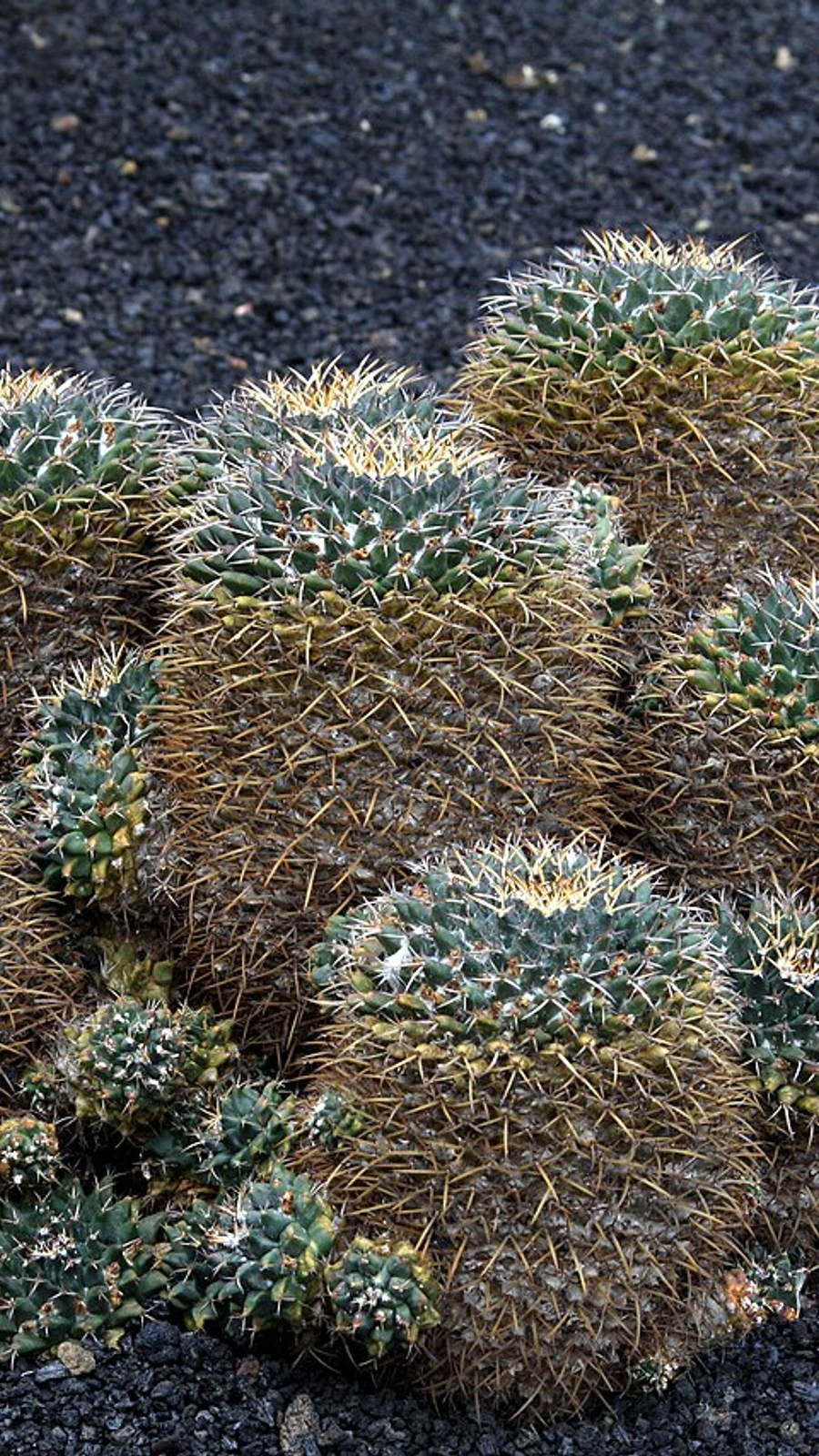
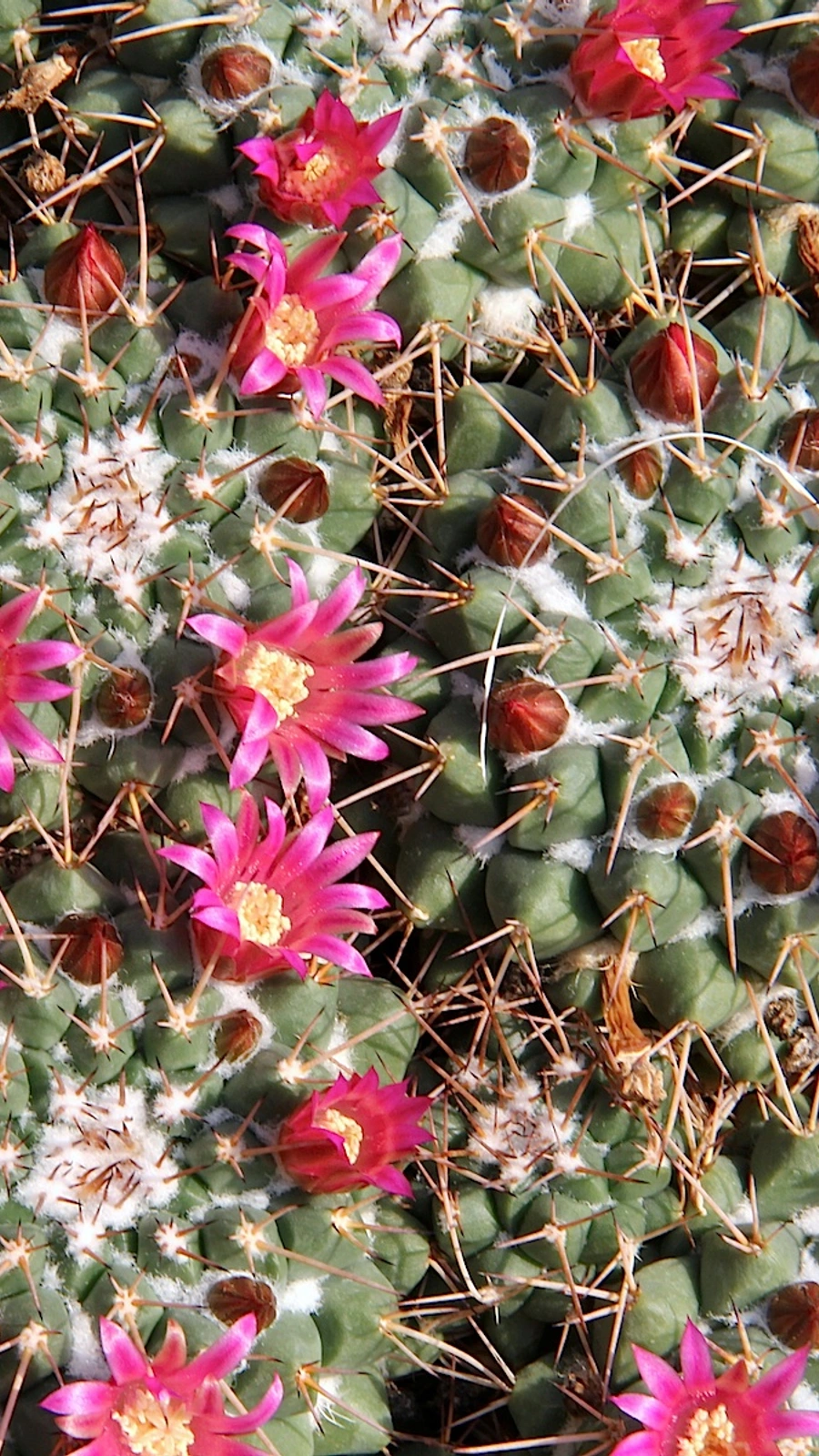
Mammillaria magnimamma
Mexican Pincushion Cactus
Mammillaria magnimamma is an easy-to-care-for and very hardy cactus species native to Mexico. It is characterized by its globular or short cylindrical stem, prominent tubercles, and generally sparse, whitish spines. As it matures, it can grow in clusters and may produce small, yellowish or pinkish flowers in spring.
This species is an excellent choice, especially for those new to cactus collecting. With its minimalist beauty and hardiness, it adds a natural touch to your living spaces. It can be easily grown on a windowsill, desk, or in a cactus garden. Mammillaria magnimamma is an ideal plant for those with busy lifestyles due to its low-maintenance nature.
Optimal: 22 °C
Requires at least 6 hours of direct sunlight daily; otherwise, it will stretch (etiolate).
Use a well-aerated, gritty cactus potting mix rich in pumice and coarse sand.
Allow soil to dry out completely before watering. Keep bone dry in winter.
Very easy to care for; highly forgiving of neglect if not overwatered.
Frequently Asked Questions
How often should I water my Mexican Pincushion Cactus?
What is the best soil mix for Mammillaria magnimamma?
How can I encourage my cactus to bloom?
Is this cactus toxic to pets?
Why is the base of my cactus turning yellow and soft?
How fast does Mammillaria magnimamma grow?
Why is my cactus stretching and losing its color?
Is the milky white sap (latex) that leaks when damaged dangerous?
When and how should I repot this cactus?
What kind of fertilizer should I use?
Reviews
There are no reviews for this product yet.
Recently Viewed
Care reminder list
Get seasonal care reminders for this product at your preferred frequency. You can change the email address below and unsubscribe from any reminder email.
