
Light
Direct Sun
Requires at least 6 hours of direct sunlight daily; otherwise, it will stretch (etiolate).
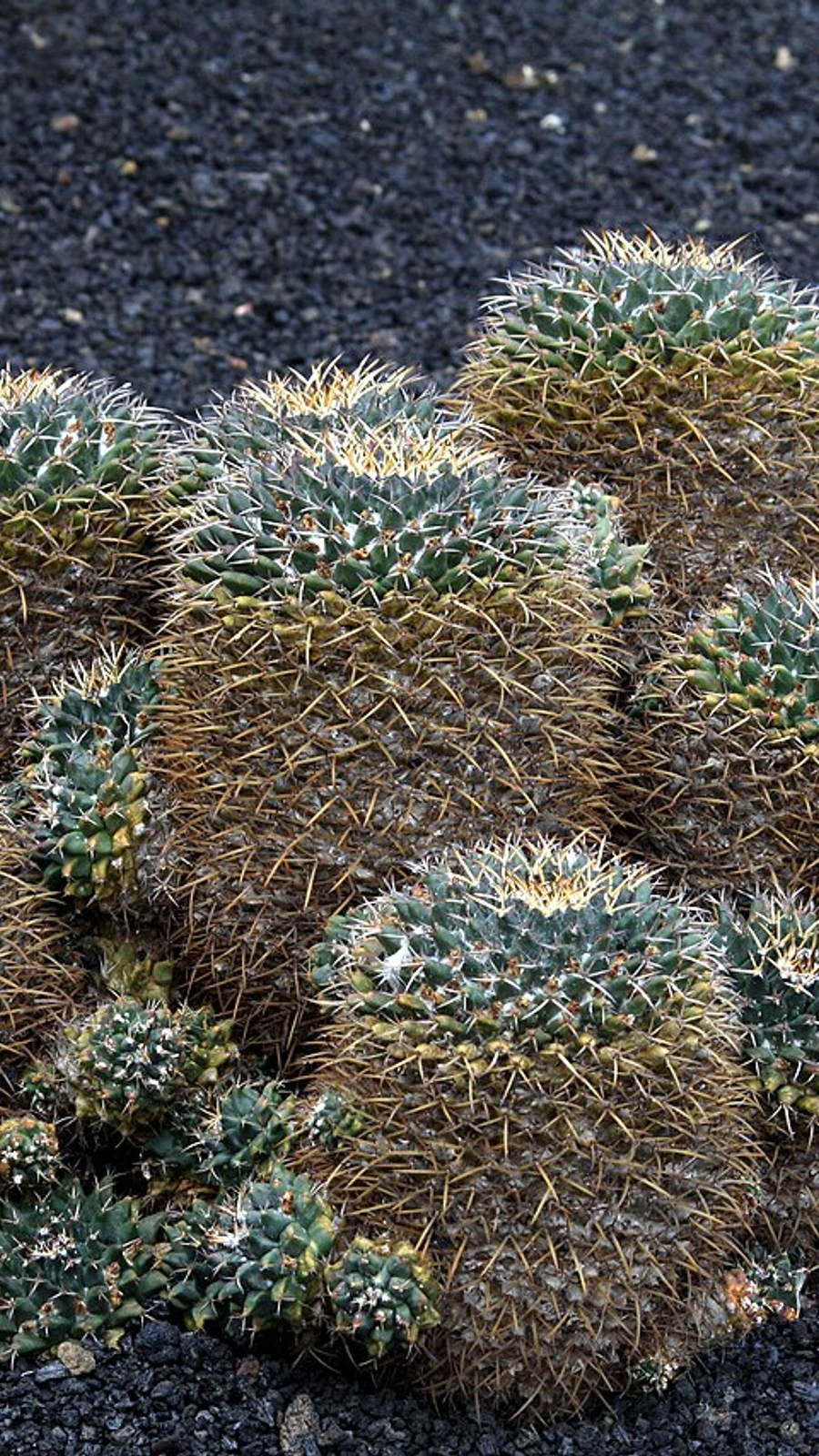
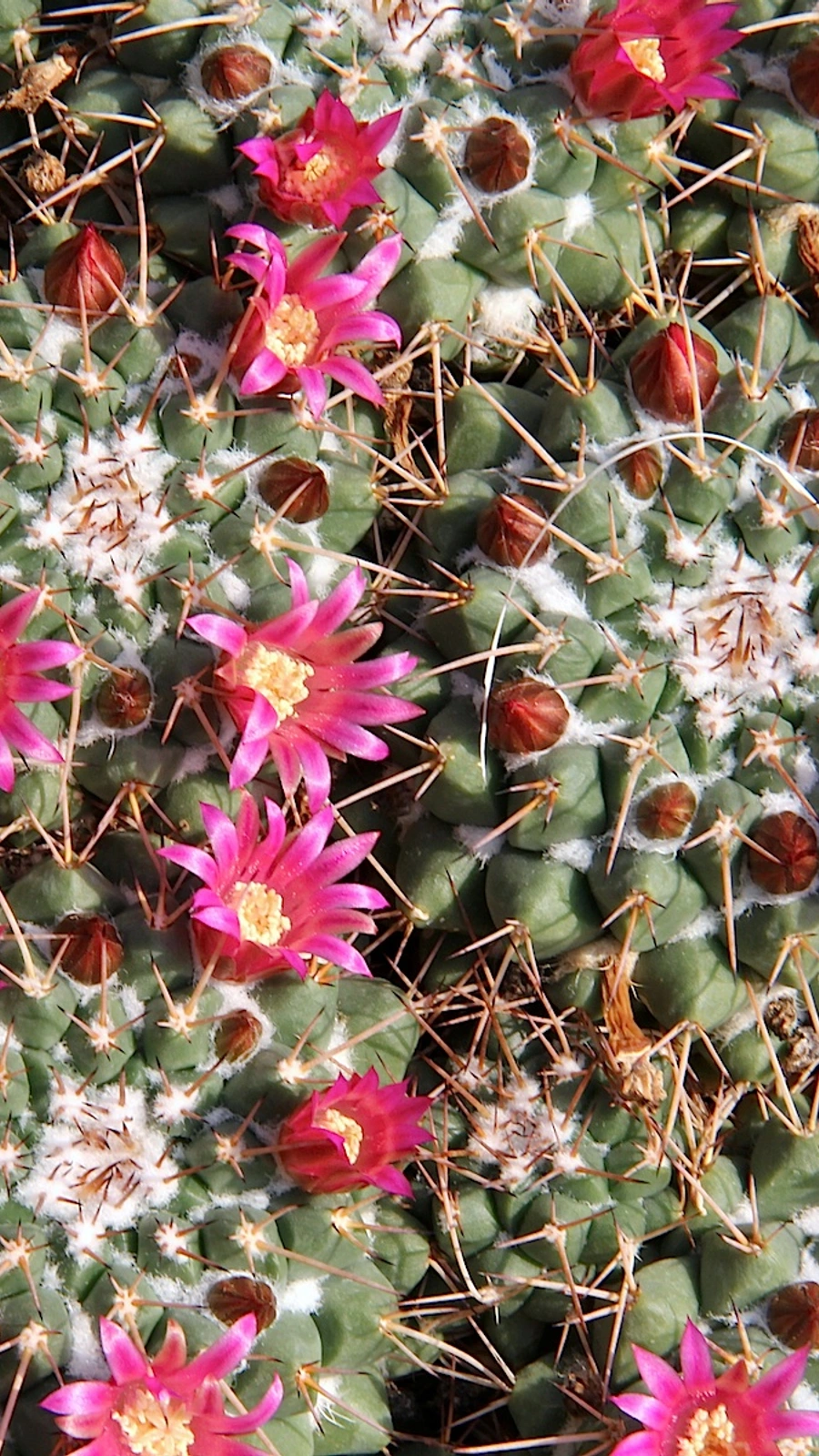
Mexican Pincushion Cactus
Mammillaria magnimamma, commonly known as the Mexican pincushion cactus, is a highly resilient and visually striking succulent subshrub belonging to the Cactaceae family. Renowned for its globose growth habit and distinctive prominent tubercles that exude a milky latex when damaged, this species is a staple in desert gardens and succulent collections worldwide 1.
The genus name Mammillaria is derived from the Latin word 'mammilla', meaning nipple or tubercle, referring to the characteristic shape of the plant's surface. The specific epithet 'magnimamma' translates to 'large-breasted' or 'with large tubercles', highlighting the notably large and well-defined nodules that cover its stem 2.
Native to central and northern Mexico, Mammillaria magnimamma is widely distributed across states such as Aguascalientes, Guanajuato, Hidalgo, and San Luis Potosí 1. It thrives in dry shrublands, deciduous forests, and rocky limestone slopes at elevations ranging from 1,500 to 2,400 meters above sea level 2.
The plant features dark green to gray-green globose stems that can offset over time to form large, dense mounds. Its tubercles are pyramidal to quadrangular. Areoles at the tips of the tubercles bear 2 to 5 strong, curved, yellowish-brown radial spines. During late spring, a beautiful crown of creamy yellow, pink, or deep purplish-red flowers emerges from the axils, followed by bright red, elongated fruits.
This species requires full, direct sun to maintain its compact shape and produce vibrant spines and flowers. Watering should follow the 'soak and dry' method, allowing the substrate to dry out completely between waterings 1. Excellent soil drainage is vital; a mixture of coarse sand, pumice, and grit is highly recommended. It can tolerate light frost if kept completely dry during winter dormancy.
The most critical mistake is overwatering or using poorly draining soil, which quickly leads to root rot. Insufficient sunlight causes the stem to stretch unnaturally (etiolation) and weakens the plant's natural pest resistance.
Requires at least 6 hours of direct sunlight daily; otherwise, it will stretch (etiolate).
Allow soil to dry out completely before watering. Keep bone dry in winter.
Use a well-aerated, gritty cactus potting mix rich in pumice and coarse sand.
Non-toxic to pets, but the sharp spines can cause physical injury.
Very easy to care for; highly forgiving of neglect if not overwatered.
Naturally distributed across the high-altitude arid regions, rocky slopes, and limestone cliffs of central and northern Mexico.
