
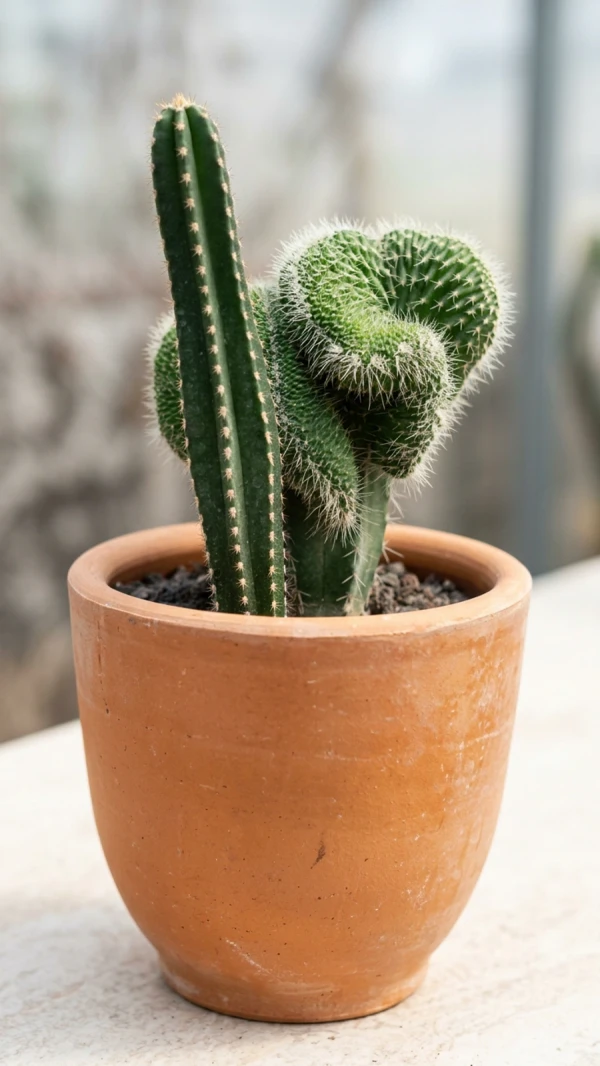
 Representative AI image
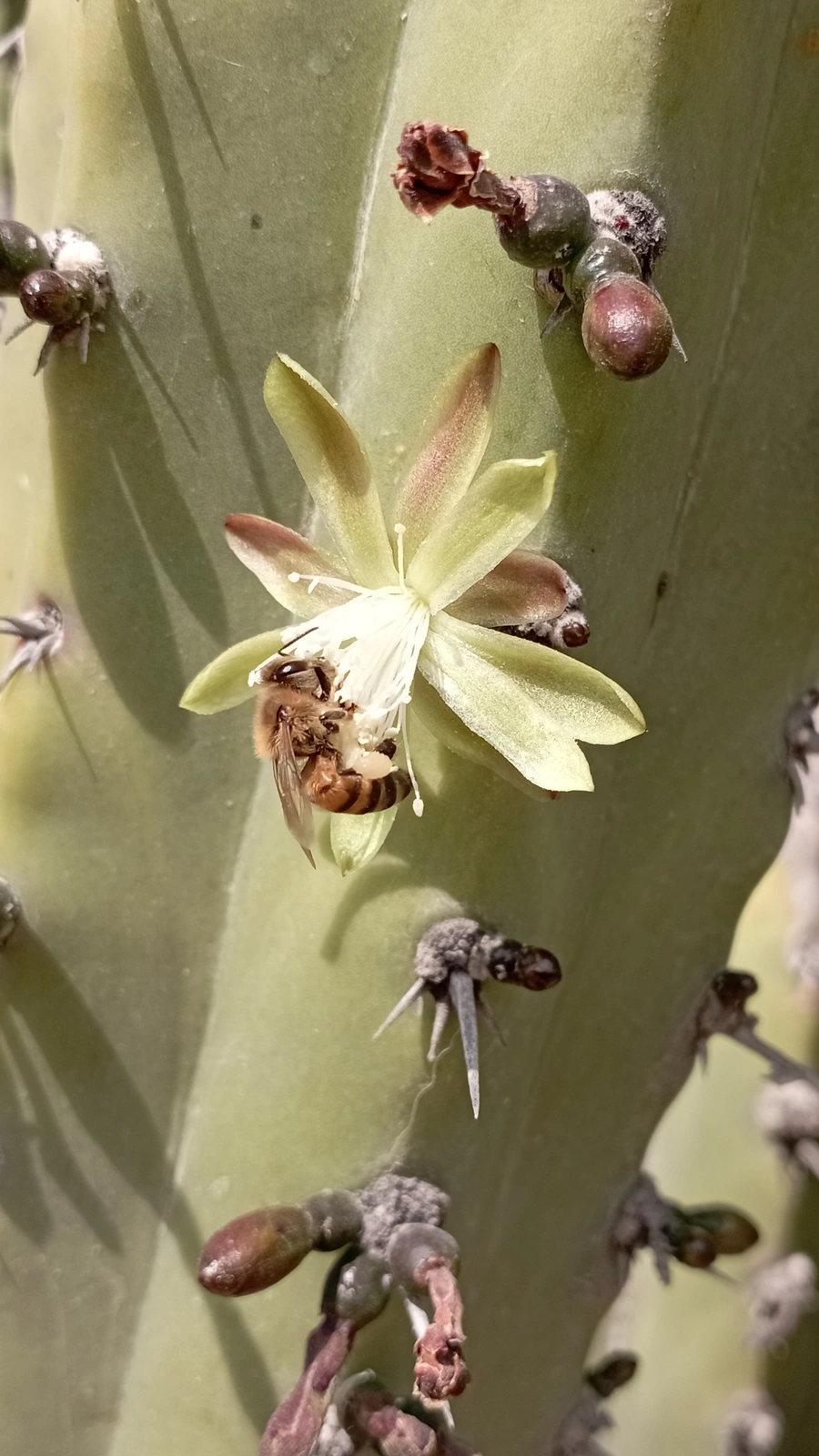 Reference image
Marginatocereus marginatus
Mexican Fence Post Cactus
Marginatocereus marginatus: Natural Elegance for Your Garden!
Inspired by the desert landscapes of Mexico, Marginatocereus marginatus, also known as the Mexican Fence Post Cactus, brings a modern and elegant touch to any environment. With its tall, columnar stem and distinct ribs, this cactus creates a striking focal point, perfect for both indoor settings and suitable outdoor climates.
Why Choose Marginatocereus marginatus?
- Unique Structure: Its upright, columnar form is ideal for use as a natural fence or an architectural accent. It blends perfectly with minimalist and modern designs.
- Easy Care: Among the easiest cacti to care for. Suitable even for beginner cactus enthusiasts, it thrives with minimal water and ample sunlight.
- Durability: Resistant to drought and various conditions, making it a long-lasting companion.
- Aesthetic Value: This slow-growing species, capable of reaching impressive sizes over time, adds a natural sculptural aesthetic to your living spaces, maintaining its beauty through all seasons.
Optimal: 25 °C
Prefers a location receiving at least 6 hours of direct sun daily. Insufficient light can lead to etiolation (stretching).
Use a specialized, fast-draining cactus and succulent mix. It should have a high proportion of sand and perlite.
Water thoroughly when the soil is completely dry in summer; once a month or less in winter. Overwatering leads to root rot.
Relatively easy to care for. Ideal for beginners in cactus cultivation, as long as overwatering is avoided.
Frequently Asked Questions
How often should I water my Mexican Fence Post Cactus?
Is this cactus suitable for indoor care?
What is the ideal soil mix for the Mexican Fence Post Cactus?
How do I know if my plant is getting enough light?
How large does this cactus grow, and what is its growth rate?
Does the Mexican Fence Post Cactus flower, and if so, when?
Is it toxic to pets?
What should I do if I see signs of softening or rot on my cactus?
How should I care for my cactus during winter?
When should I repot, and what should I pay attention to?
Reviews
There are no reviews for this product yet.
Recently Viewed
Care reminder list
Get seasonal care reminders for this product at your preferred frequency. You can change the email address below and unsubscribe from any reminder email.
