
Light
Direct Sun
Prefers a location receiving at least 6 hours of direct sun daily. Insufficient light can lead to etiolation (stretching).
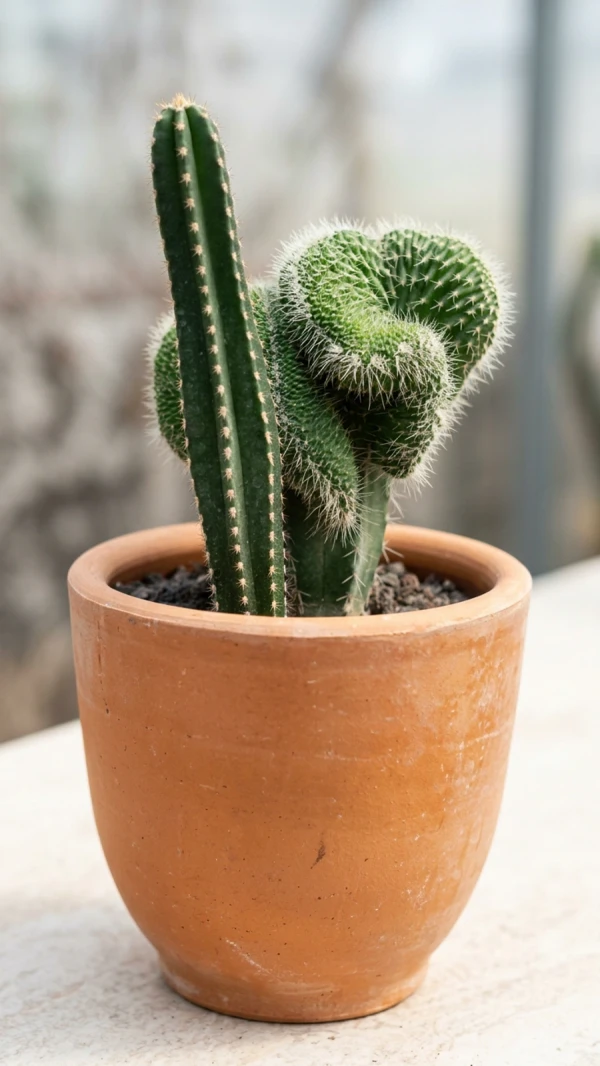
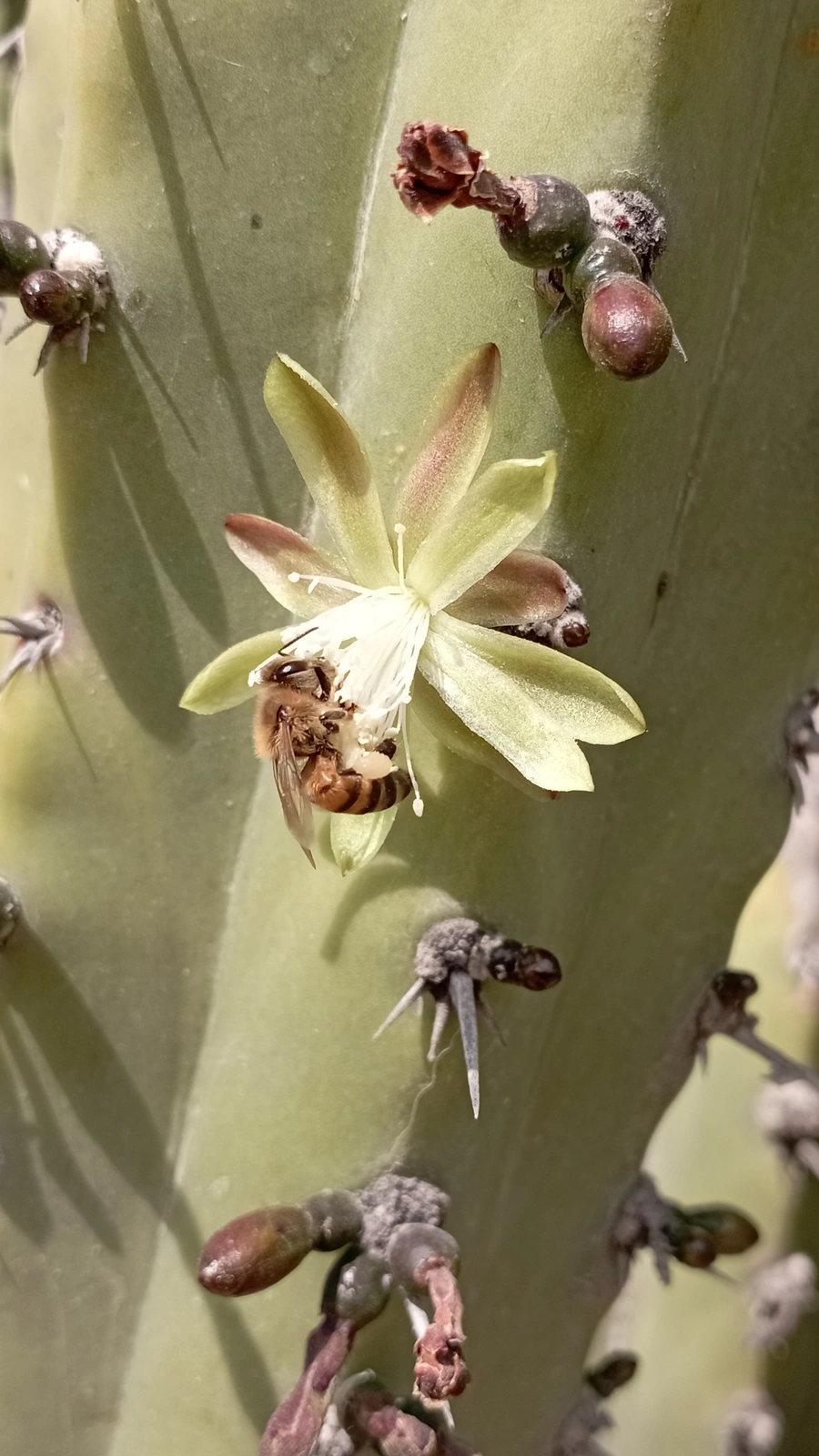 Reference image
Mexican Fence Post Cactus
Marginatocereus marginatus (formerly Stenocereus marginatus), commonly known as the Mexican Fence Post Cactus or Organ Pipe Cactus, is a striking columnar cactus species native to Mexico. Belonging to the Cactaceae family, this plant is renowned for its impressive stature, forming dense, upright stems that can reach considerable heights in its natural habitat. It stands as a significant botanical and landscape feature, embodying the resilience and unique beauty of arid environments, often utilized for creating natural, living fences, from which it derives its common name 1.
Marginatocereus marginatus features cylindrical, erect stems that vary in color from bright green to glaucous blue-green. Each stem is typically adorned with 5 to 9 prominent, sharply defined ribs. Along these ribs are short, sharp spines, though they are not as dense or long as those found on some other cactus species. While young specimens may grow as single columns, mature plants often branch from the base, forming multi-stemmed clumps that give the plant a more imposing, fence-like appearance in its natural setting.
This cactus species produces pink or reddish flowers, which typically open at night and are pollinated by bats and moths. The flowers emerge from areoles along the stems and can be quite showy. Following flowering, edible, reddish-purple, spherical fruits develop. These fruits are consumed by local populations and also aid in the plant's seed dispersal.
Marginatocereus marginatus plays a vital role in the ecology of Mexico's arid and semi-arid regions. It not only contributes to the aesthetic value of these landscapes but also provides food and shelter for local wildlife. Historically, its use as a living fence to delineate fields and properties in Mexico underscores its cultural importance. The plant's ease of care and hardiness have made it a popular choice for both home gardens and xeriscape designs 2. It is listed as Least Concern (LC) on the IUCN Red List of Threatened Species, indicating a wide and stable population at present.
Prefers a location receiving at least 6 hours of direct sun daily. Insufficient light can lead to etiolation (stretching).
Water thoroughly when the soil is completely dry in summer; once a month or less in winter. Overwatering leads to root rot.
Use a specialized, fast-draining cactus and succulent mix. It should have a high proportion of sand and perlite.
Generally non-toxic to pets and humans, but its sharp spines can cause physical irritation. Handle with care.
Relatively easy to care for. Ideal for beginners in cactus cultivation, as long as overwatering is avoided.
Marginatocereus marginatus is indigenous to various states within Mexico, including Aguascalientes, Colima, Guanajuato, Guerrero, Hidalgo, Jalisco, State of Mexico, Michoacán, Morelos, Nayarit, Oaxaca, Puebla, Querétaro, San Luis Potosí, Tlaxcala, Veracruz, and Zacatecas. It is typically found in desert and semi-arid scrubland environments, perfectly adapted to the climatic conditions of these regions.
