
Light
Direct Sun
Loves plenty of direct sunlight. A south-facing window or a bright spot is ideal.
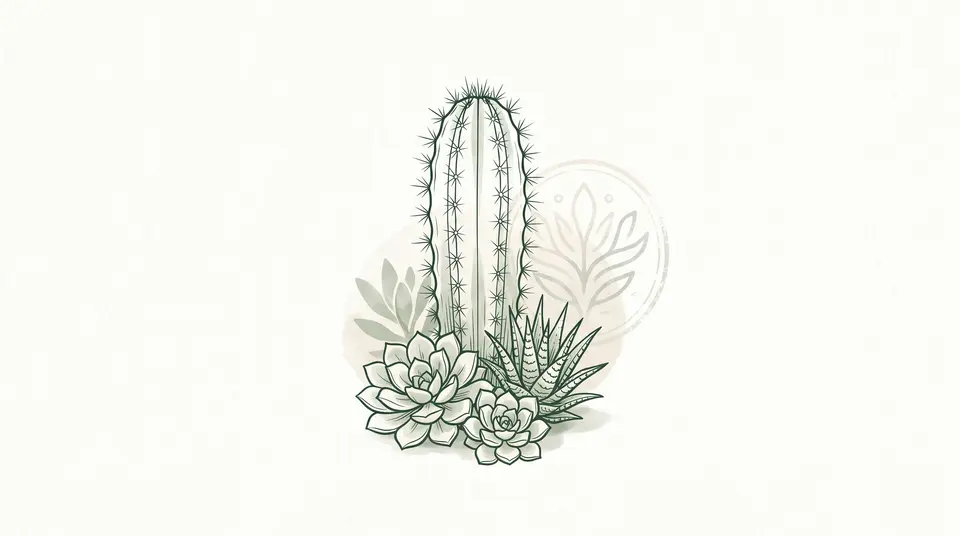 Reference image
Acanthocalycium hoevenii is a succulent subshrub species belonging to the Cactaceae family, native to the arid regions of Argentina 1. This cactus typically has a globular or short columnar stem that may slowly elongate as it matures. Prominent ribs are present on the stem, and strong spines emerge from areoles arranged along these ribs. The spines are usually brownish or grayish, giving the plant a distinctive appearance. This species naturally grows in desert and dry shrubland biomes and is known as a relatively hardy plant due to its adaptation to harsh conditions.
Acanthocalycium hoevenii typically blooms in spring or early summer. The flowers are funnel-shaped and usually emerge from areoles near the apex of the plant. Their colors can vary by species, but are generally in shades ranging from white to pale pink, offering distinct beauty . These flowers usually open during the day, promoting insect pollination. When properly cared for, it can bloom regularly in a home environment. Soil selection and watering regimen are critical for the plant's healthy development and flowering. Key Features: Stem: Globular or short columnar, with prominent ribs. Spines: Strong, brownish/grayish. Flowers: White to pink, funnel-shaped, emerging from the apex. Habitat: Arid regions of Argentina. * Growth Rate: Slow.
Loves plenty of direct sunlight. A south-facing window or a bright spot is ideal.
Water when the topsoil is completely dry. Significantly reduce watering frequency in winter.
Choose a very well-draining, sandy, and airy mix specifically formulated for cacti and succulents.
Spines can be sharp; handle with care. The sap is not toxic, but spines can cause skin irritation.
Easy to care for when provided with the correct light and watering regimen. Suitable for beginners.
Acanthocalycium hoevenii is native to the mountainous regions of northwestern Argentina. It is naturally found in arid and semi-arid shrublands, rocky slopes, and high-altitude plateaus in provinces such as Jujuy, Salta, Tucumán, Catamarca, La Rioja, San Juan, Mendoza, and San Luis. It is well-adapted to the harsh climatic conditions of these regions.
