
Light
Full Sun
Requires at least 6 hours of direct sunlight daily; partial shade will stunt growth.
 Reference image
 Reference image
Acanthocalycium klinglerianum is a slow-growing, perennial succulent subshrub belonging to the Cactaceae family, native to the arid environments of South America 1. Highly appreciated by succulent collectors, it is famous for its attractive globular symmetry, fierce spination, and striking seasonal blooms.
The species was formally described by the German botanist Friedrich Ritter. The generic name Acanthocalycium originates from the Greek words "akantha" (meaning thorn or spine) and "kalyx" (meaning calyx or bud-covering), highlighting the distinctive spiny scales found on the flower tube 2. The specific epithet klinglerianum honors a dedicated contributor to botanical sciences.
This cactus is native to Bolivia, where it thrives in dry shrublands, semi-desert biomes, and rugged rocky valleys. It populates gravelly hillsides with excellent natural drainage and experiences a climate characterized by intense sun exposure, dry atmospheric conditions, and low annual rainfall.
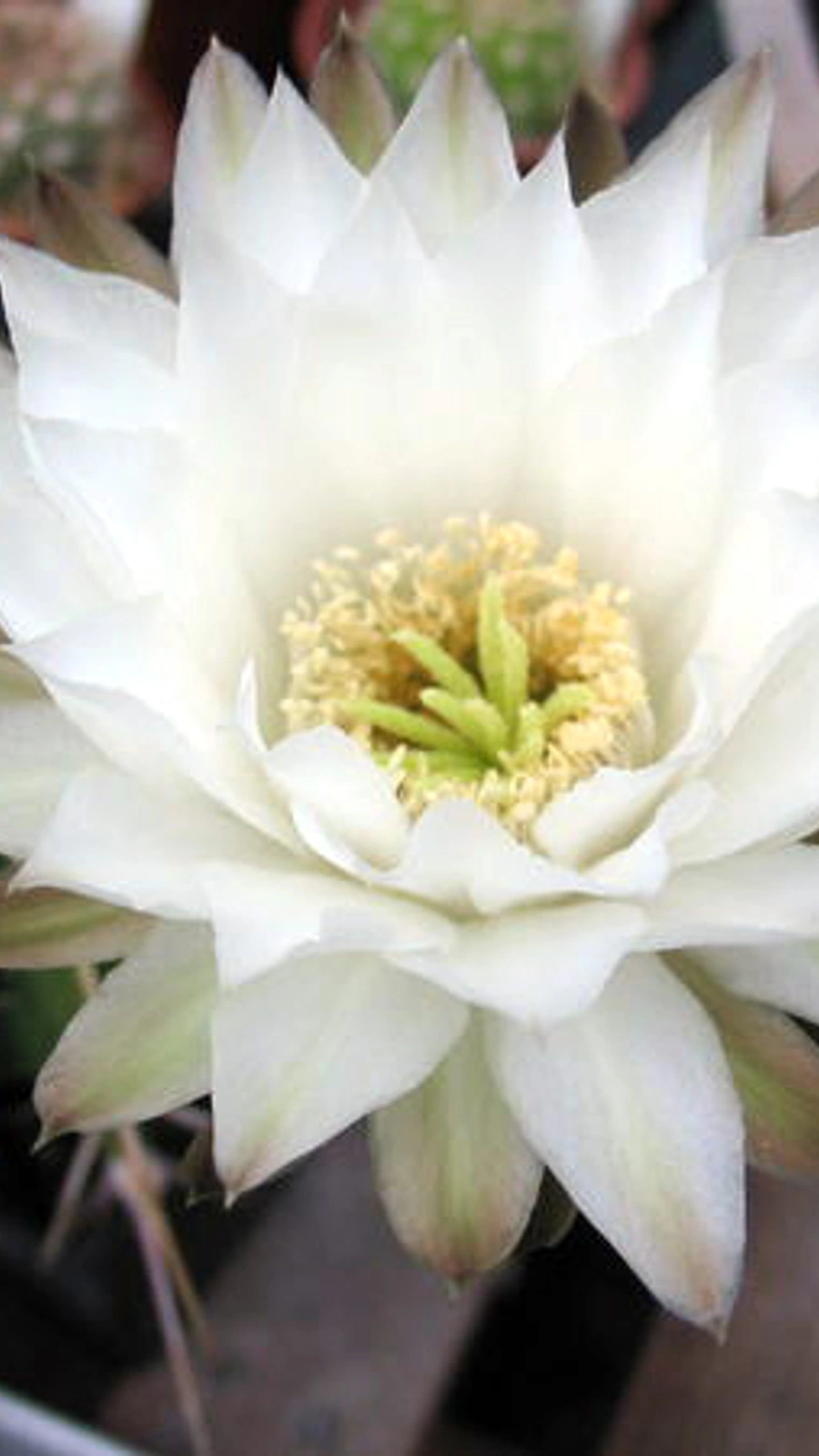
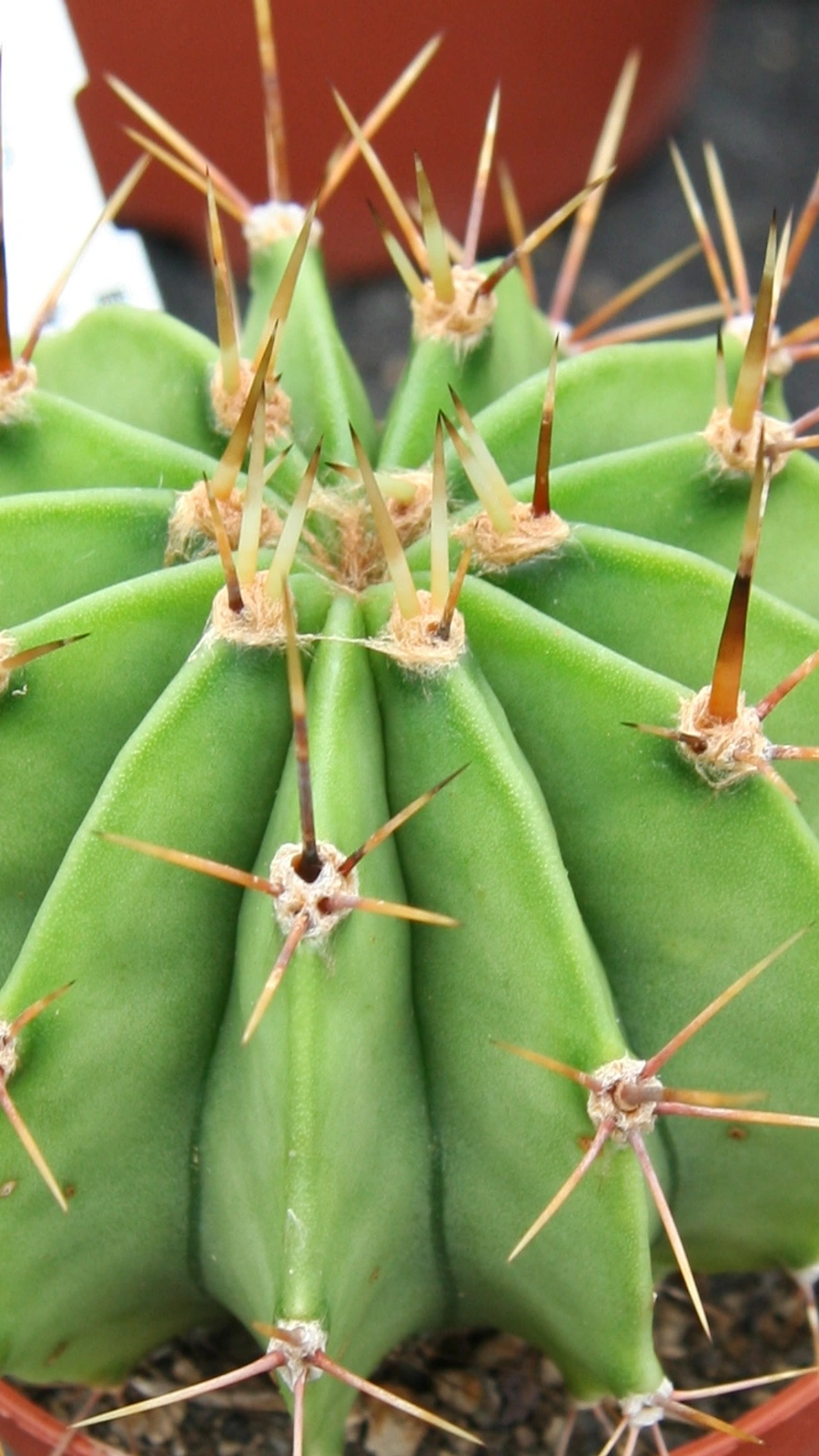
Acanthocalycium klinglerianum features a primarily solitary, globose to short cylindrical stem with a greyish-green hue. It boasts prominent, sharp vertical ribs lined with woolly areoles. From these areoles sprout stiff, needle-like spines ranging in color from pale yellow to dark brown. During late spring and early summer, beautiful funnel-shaped flowers, typically white, cream, or light yellow, emerge from the apex.
In cultivation, this species is resilient and highly adaptable if its basic needs are met. It requires a position with full, direct sunlight and an exceptionally porous growing medium. The classic "soak and dry" watering method must be strictly followed, ensuring the potting soil dries completely between waterings 1.
The most frequent mistake is overwatering, which quickly triggers root and stem rot. Placing the plant in low-light conditions results in etiolation, where the stem stretches unnaturally and loses its compact form. Neglecting a dry, cool winter dormancy period can also prevent the cactus from blooming in the subsequent season.
Requires at least 6 hours of direct sunlight daily; partial shade will stunt growth.
Water only when the soil is dry to the bone, and keep completely dry during winter dormancy.
Choose an extremely porous cactus mix amended with coarse sand and pumice.
Sharp spines can cause physical injury; handle with care and keep out of reach of children and pets.
Very easy to maintain as long as overwatering is avoided and a dry winter rest is provided.
Naturally distributed across the arid valleys and dry shrublands of Bolivia, growing on rocky soils and gravel slopes at moderate elevations.
