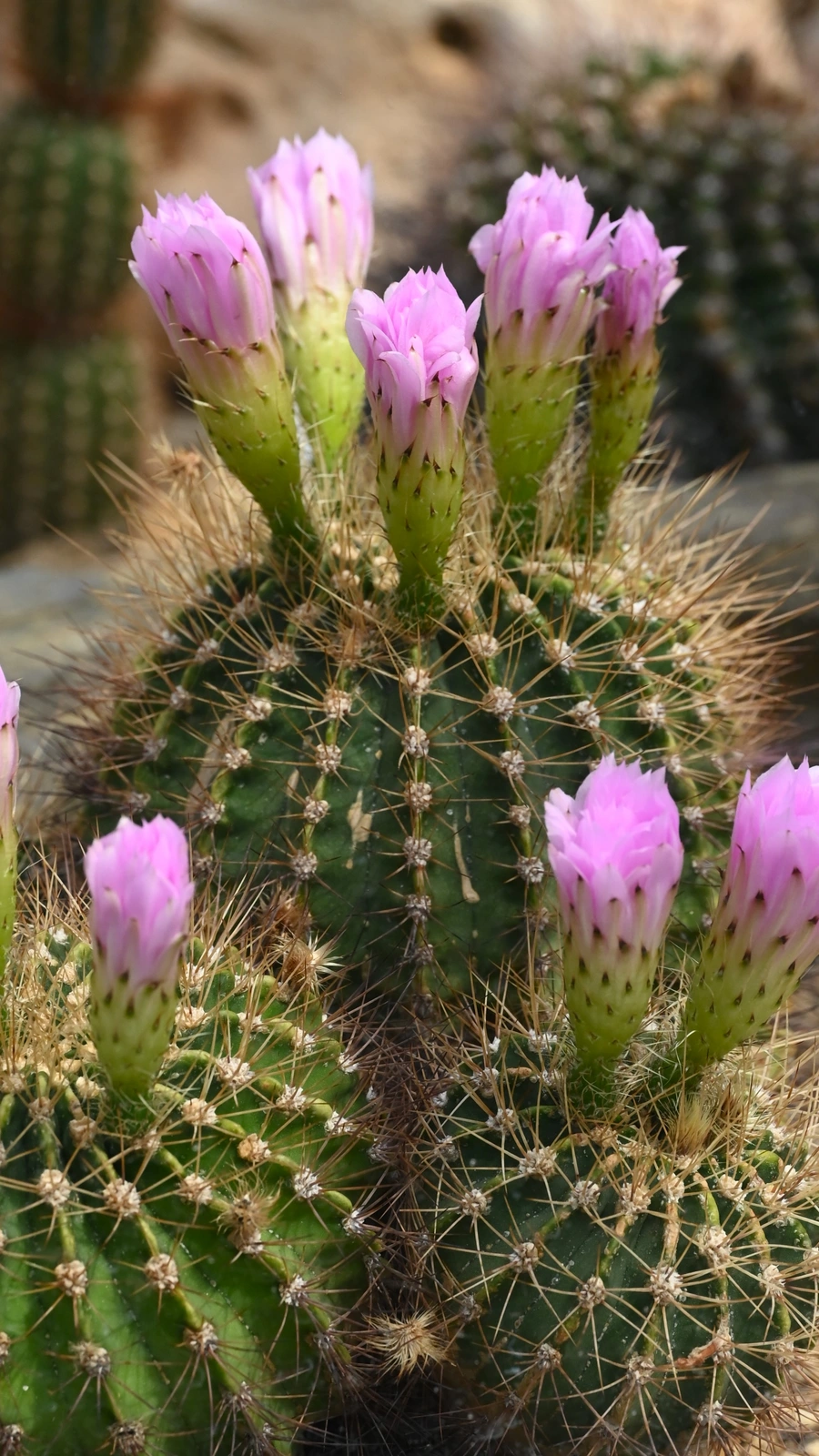
Acanthocalycium spiniflorum

Spiny-flowered Cactus

Acanthocalycium spiniflorum: Argentina's Resilient Cactus

Acanthocalycium spiniflorum is a globular to short columnar cactus species belonging to the Cactaceae family, native to the arid steppes of Argentina, South America 1. This succulent typically grows solitary but can form clusters over time by producing offsets from its base. Its aesthetic appearance and relatively easy care make it a popular choice among cactus collectors.

Morphological Characteristics

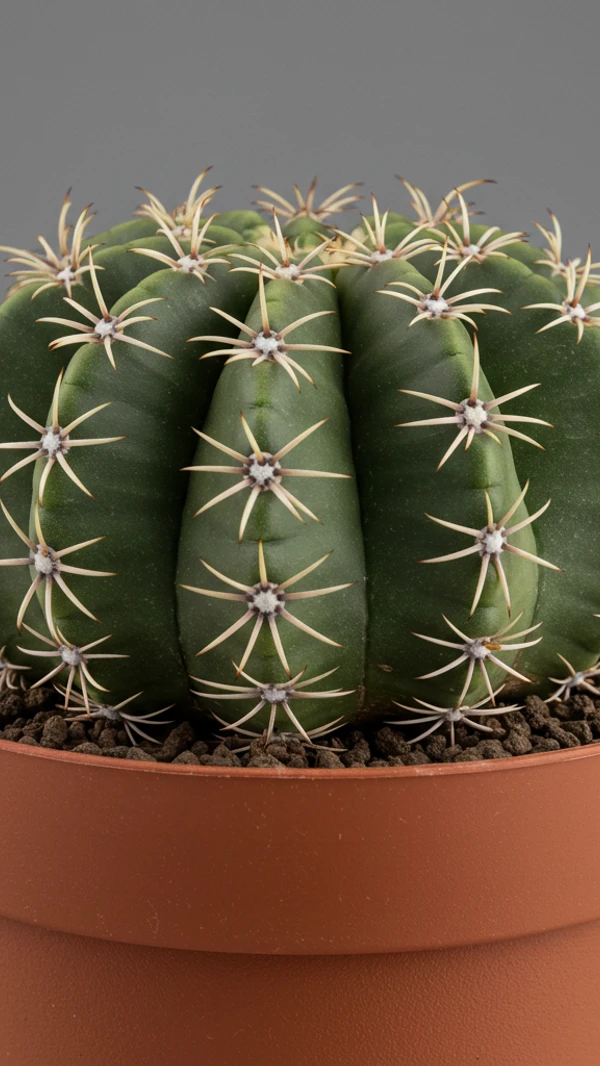
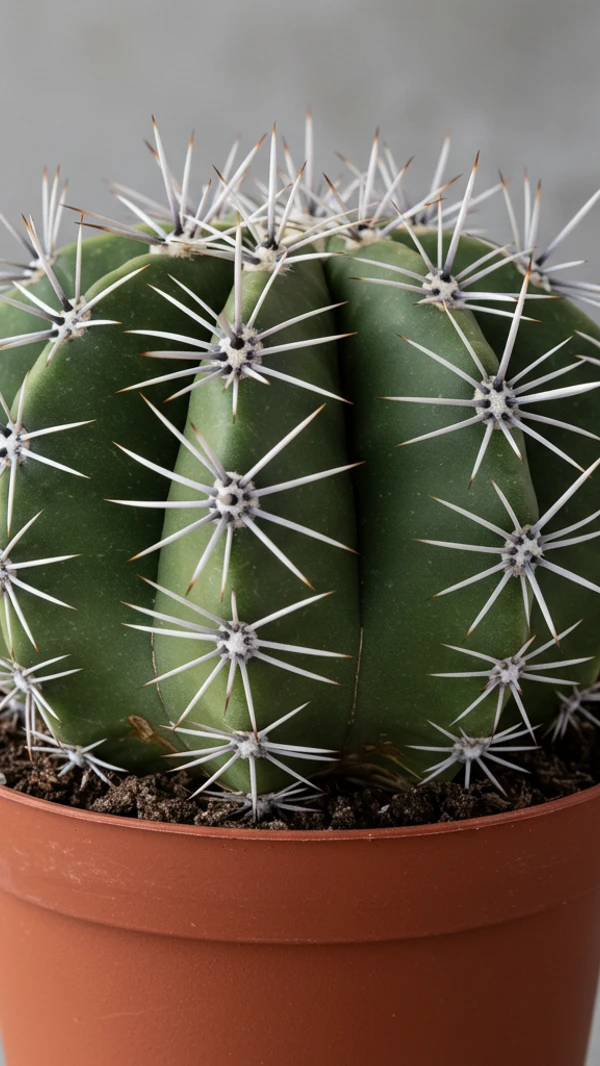
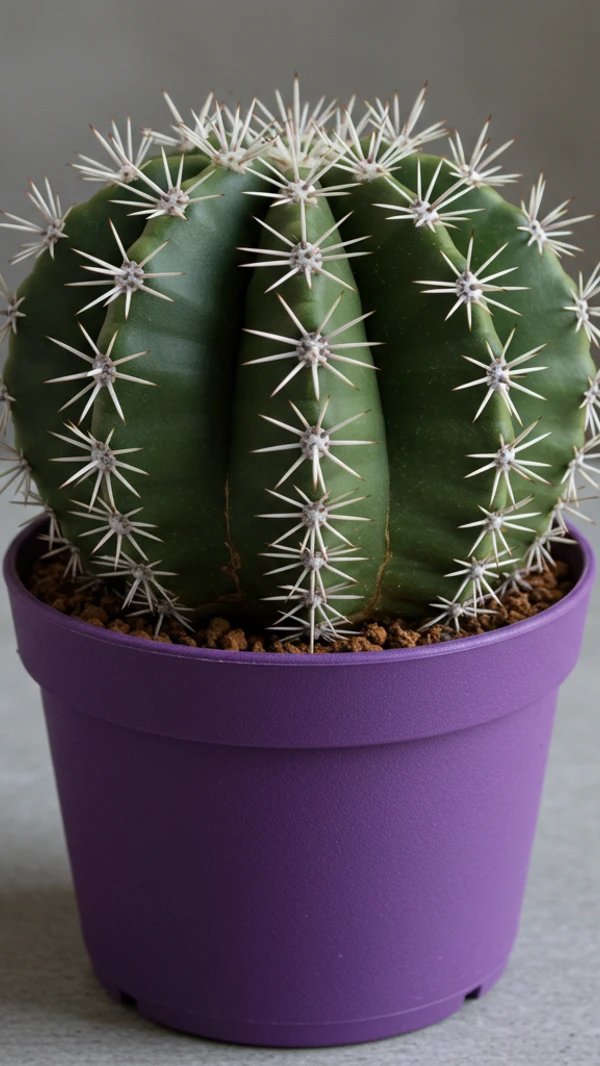
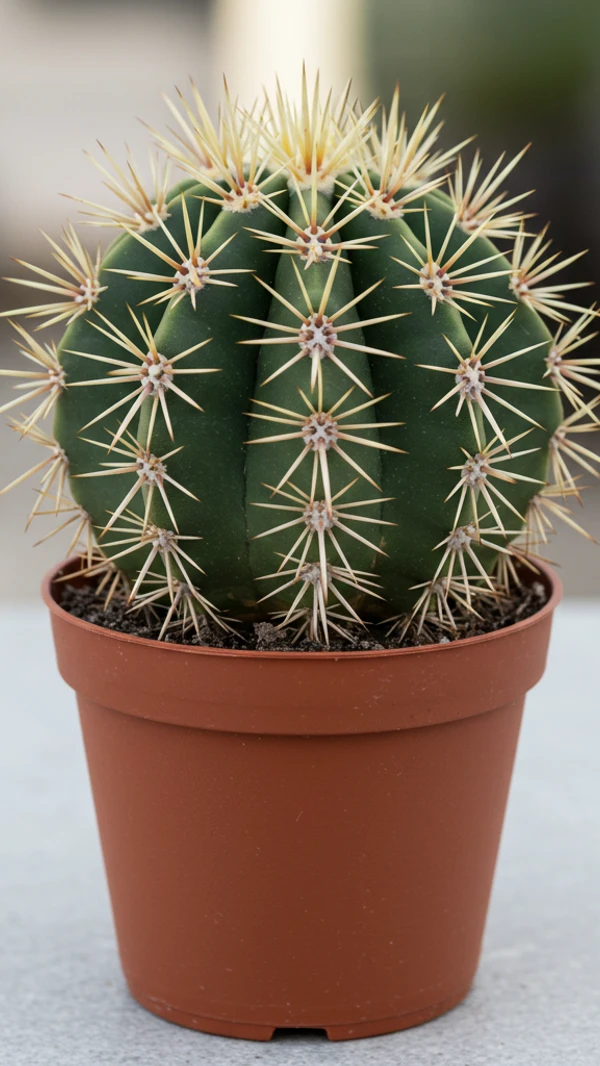
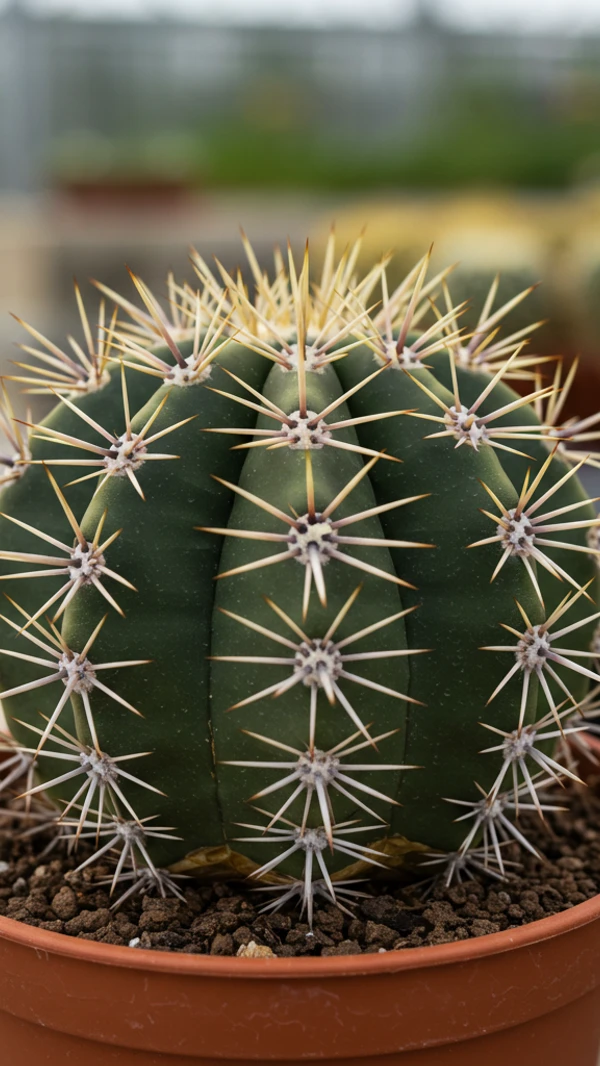
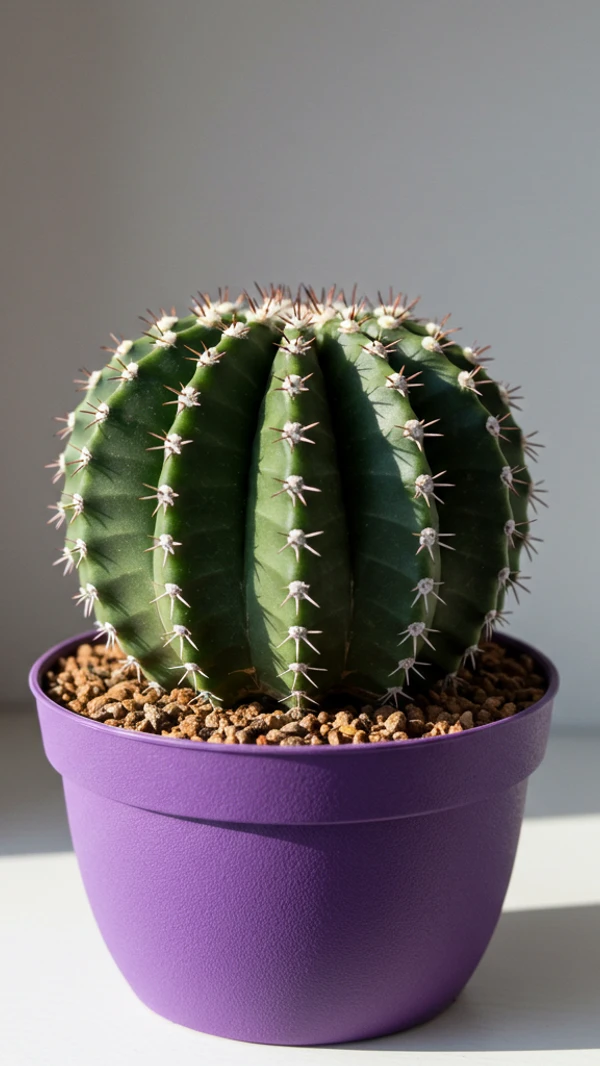
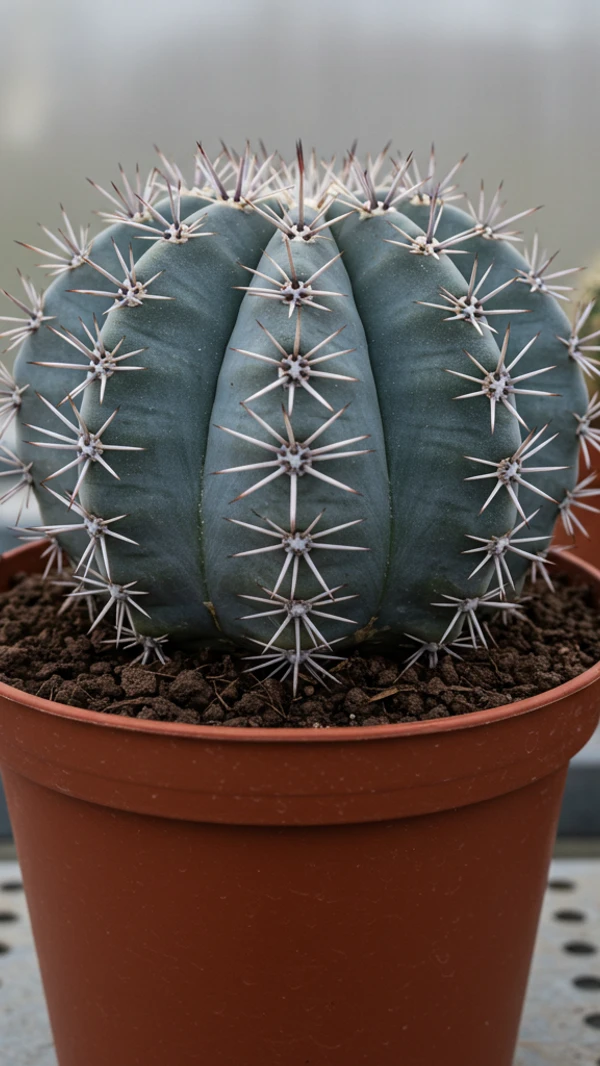
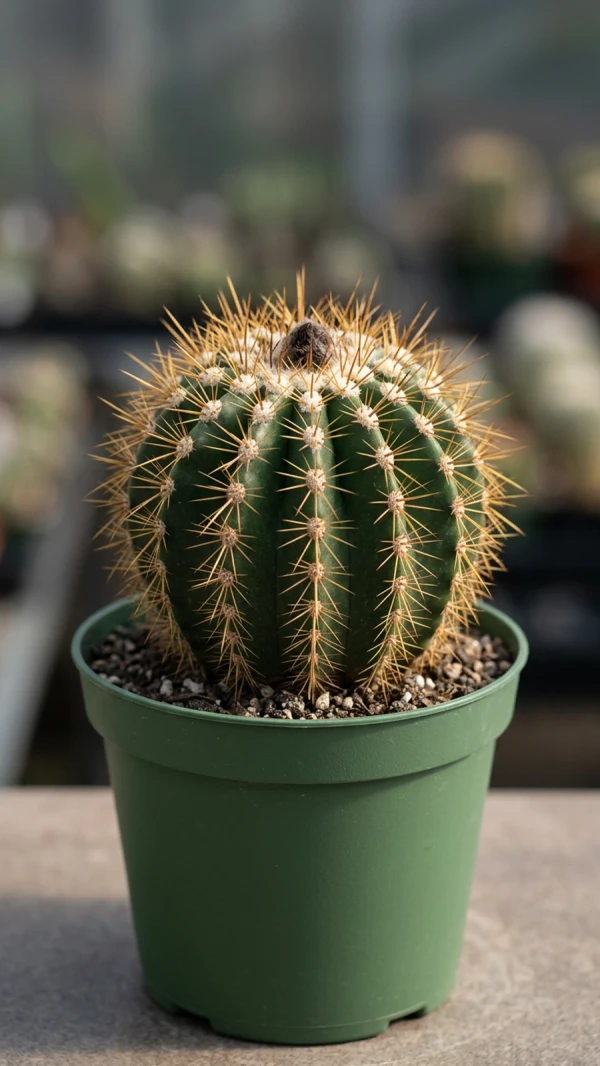
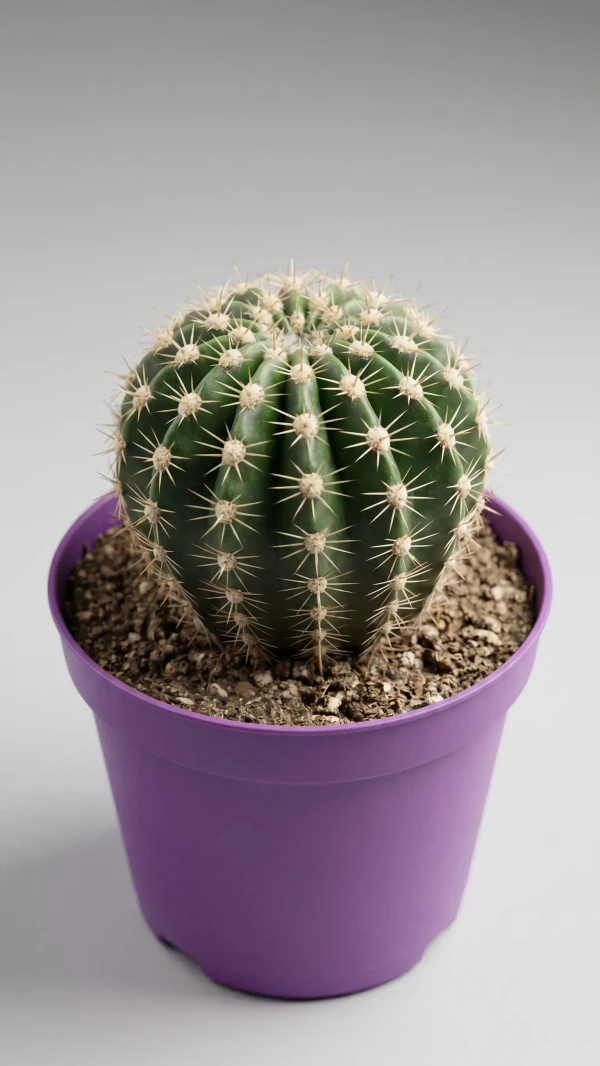
This cactus species usually reaches a height of 10-15 cm and a similar diameter. Its dark green stem is characterized by 10 to 20 prominent, sharply edged vertical ribs. From the areoles located on these ribs, light-colored spines, typically ranging from white to brownish, emerge, numbering between 5 and 10. These spines are short and slender, yet they give the plant a distinctive look. The name Spiniflorum refers to the plant's spiny flower stalks or flowers emerging from spiny areoles.

Flowering and Reproduction

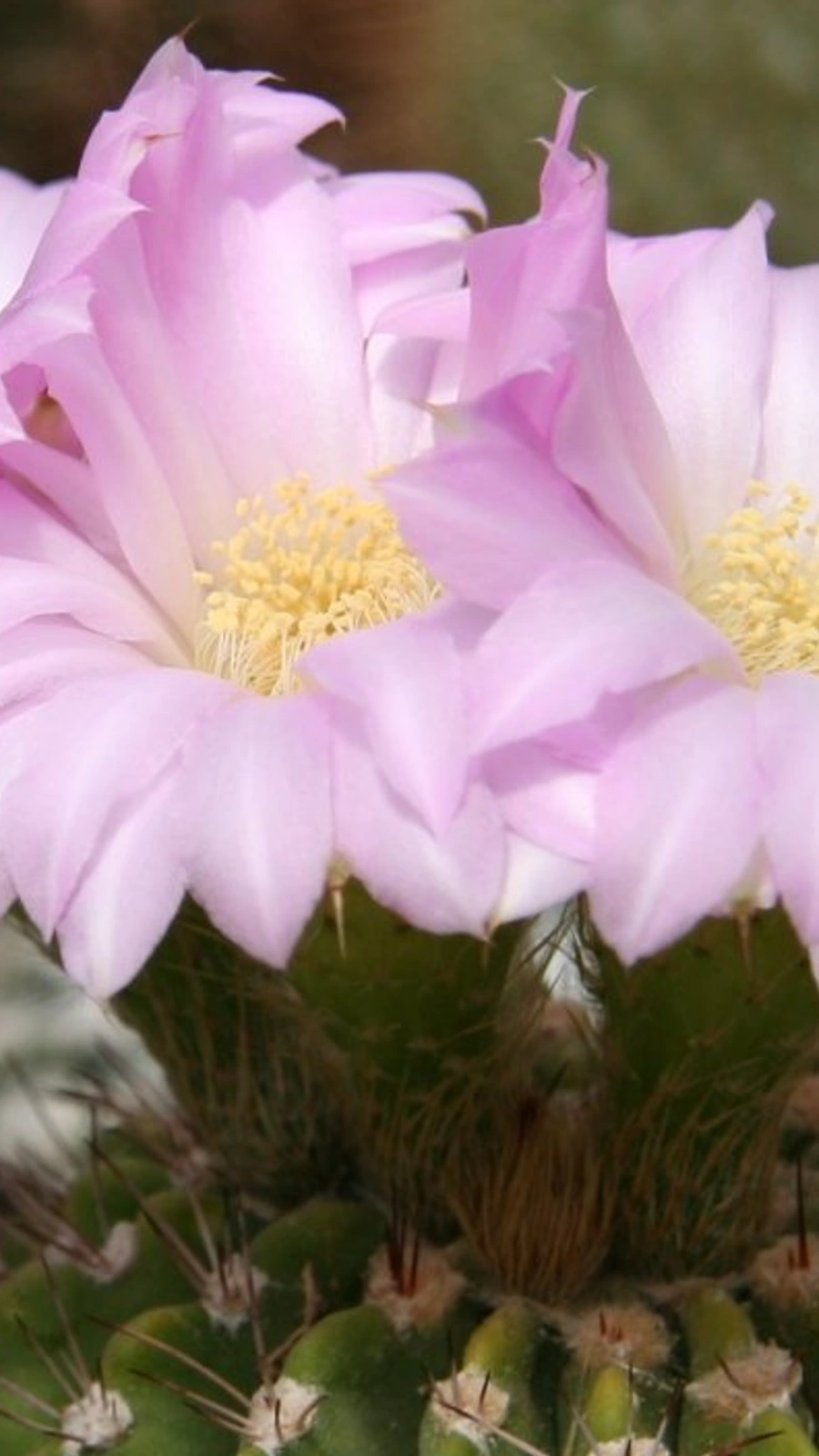
Acanthocalycium spiniflorum is notable for its large, funnel-shaped flowers that primarily bloom in spring and early summer. Flower colors can vary widely, from white to pink, purple, and even yellow, indicating variations within the species. The flowers are generally open during the day and are short-lived. The plant can be easily propagated from seeds and by separating its offsets 2.

Habitat and Ecology

In its natural habitat, it thrives in mountainous regions with temperate climates, typically on rocky slopes and in dry scrublands. These conditions explain the plant's high tolerance to drought and direct sunlight. Replicating these natural conditions in a home environment is key for healthy growth.

References:

References

  1. Plants of the World Online (POWO). Acanthocalycium spiniflorum. Retrieved from: https://powo.science.kew.org/taxon/urn:lsid:ipni.org:names:141696-1
  2. Anderson, Edward F. (2001). The Cactus Family. Timber Press.
Light

Direct Sun

Prefers full and direct sunlight. A south-facing window or an outdoor spot is ideal. Insufficient light leads to weak growth and lack of flowering.
Watering

12-25 Days

Ensure the soil is completely dry before watering. Water thoroughly every 10-14 days in summer, and once a month or not at all in winter. Overwatering leads to root rot.

Soil

Fast-draining cactus and succulent soil mix

Use a high-draining soil mix specifically formulated for cacti and succulents. Inorganic materials (pumice, perlite) ensure good aeration and quick water drainage.

Safety

Pet Friendly

The plant is non-toxic, but its spines pose a puncture risk. It should be kept out of reach of children and pets. Exercise caution during handling.

Difficulty

Easy

It is a relatively easy cactus to care for and is suitable for beginners. It grows and flowers without issues when basic cactus care principles are followed.

Native Habitat

Argentina

Acanthocalycium spiniflorum is native to the northwestern and central parts of Argentina, specifically found in the provinces of Catamarca, Córdoba, La Rioja, San Juan, and Tucumán. It thrives on rocky slopes in mountainous and hilly areas, interspersed within dry scrublands. This species is well-adapted to harsh climatic conditions and is highly drought-tolerant.

Frequently Asked Questions

How often should I water Acanthocalycium spiniflorum?
In summer, water approximately every 10-14 days, ensuring the soil is completely dry before watering again. During winter dormancy, reduce watering to once a month or less, or even cease entirely. Overwatering leads to root rot.
How much light does this cactus need?
*Acanthocalycium spiniflorum* thrives in abundant and direct sunlight. A location where it can receive at least 6 hours of direct sun daily is ideal. Insufficient light can lead to stunted growth and failure to flower.
What is the best soil mix for Acanthocalycium spiniflorum?
Use a specialized cactus and succulent soil mix that provides fast drainage, enriched with inorganic materials like sand, pumice, and perlite. It's crucial for the soil to be well-aerated and not retain water.
Is this cactus toxic to pets?
*Acanthocalycium spiniflorum* is generally considered non-toxic to pets. However, its spines pose a risk of puncture and injury, so it's advisable to keep it out of reach of small children and curious pets.
When does Acanthocalycium spiniflorum bloom, and what color are its flowers?
It typically blooms in late spring and early summer. Flower colors can vary in shades of white, pink, purple, and yellow. The flowers are funnel-shaped and quite striking.
What type of pot should I choose?
Choose a pot with drainage holes that can quickly drain water. Terracotta pots are a good choice as they help the soil dry out faster. The pot size should be appropriate for the size of the cactus.
Why isn't my cactus flowering?
The most common reasons for not flowering are insufficient light, an incorrect watering regimen (especially a lack of winter dormancy), or nutrient deficiencies. Ensure the plant receives ample sunlight and undergoes a cool dormant period in winter.
How fast does Acanthocalycium spiniflorum grow?
It has a moderately slow growth rate. Under appropriate conditions, it can grow a few centimeters per year and reach a mature size within several years. The formation of clusters by producing offsets can also be observed over time.
How often should I repot this cactus?
Young plants can be repotted every 1-2 years, while larger, more mature plants can be repotted every 2-4 years. The best time for repotting is early spring. Remove old soil and plant in a fresh, well-draining mix.
What is the winter care for Acanthocalycium spiniflorum?
During winter, the plant enters a dormancy period. Encourage this dormancy by lowering temperatures to between 5-10°C and almost completely ceasing watering. This period is crucial for abundant spring flowering. Protect the plant from frost.