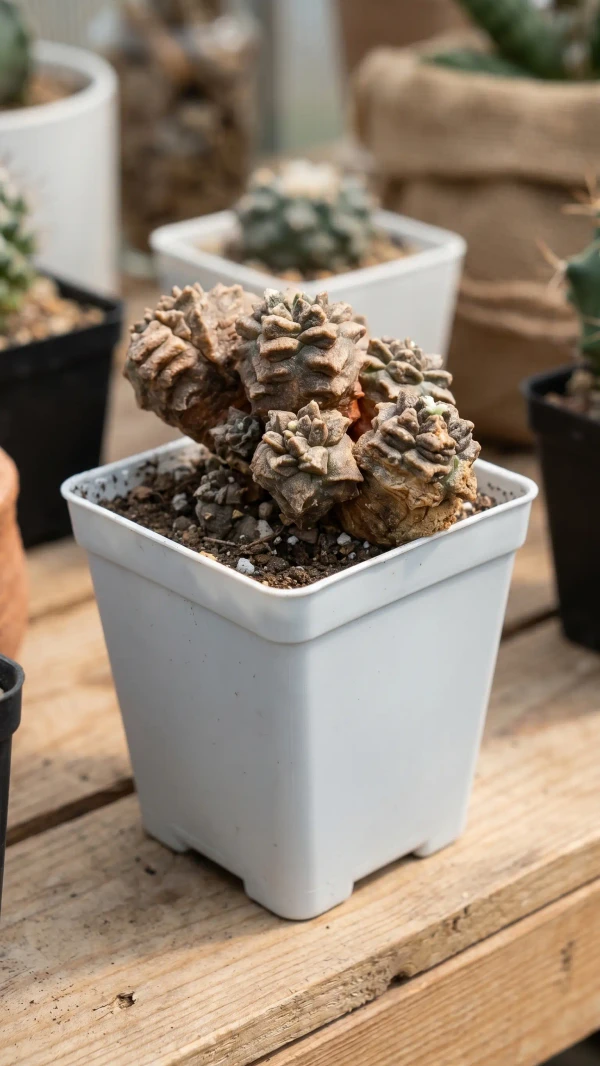
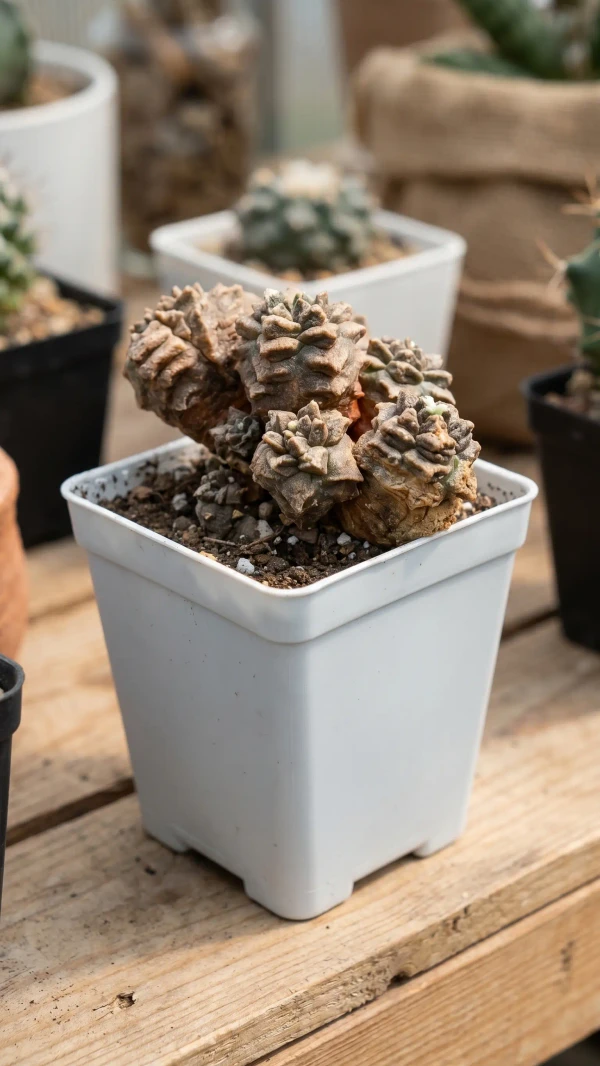
Ariocarpus fissuratus

Living Rock Cactus

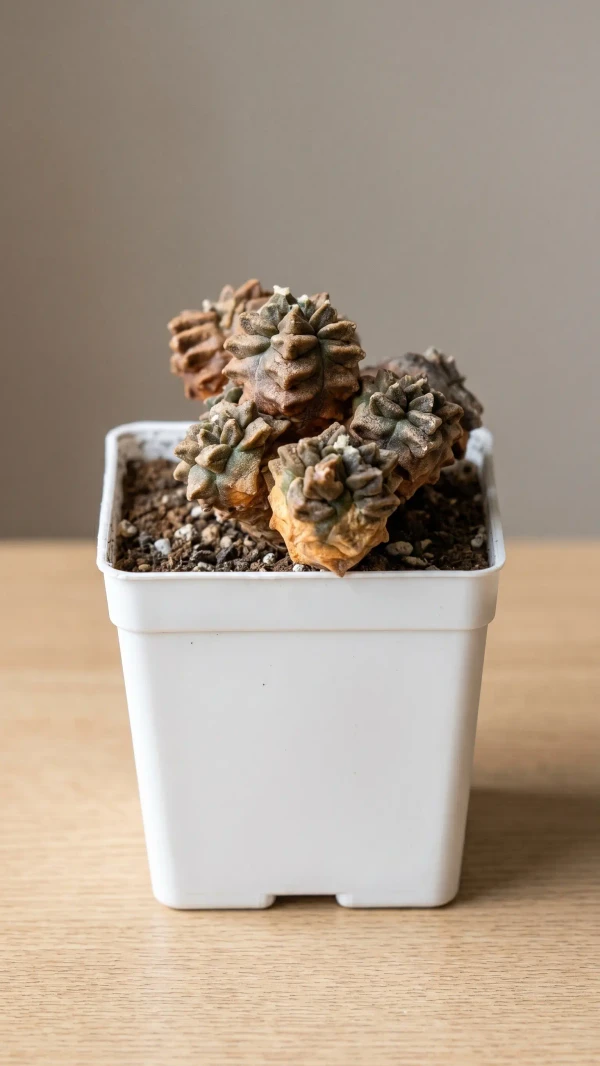
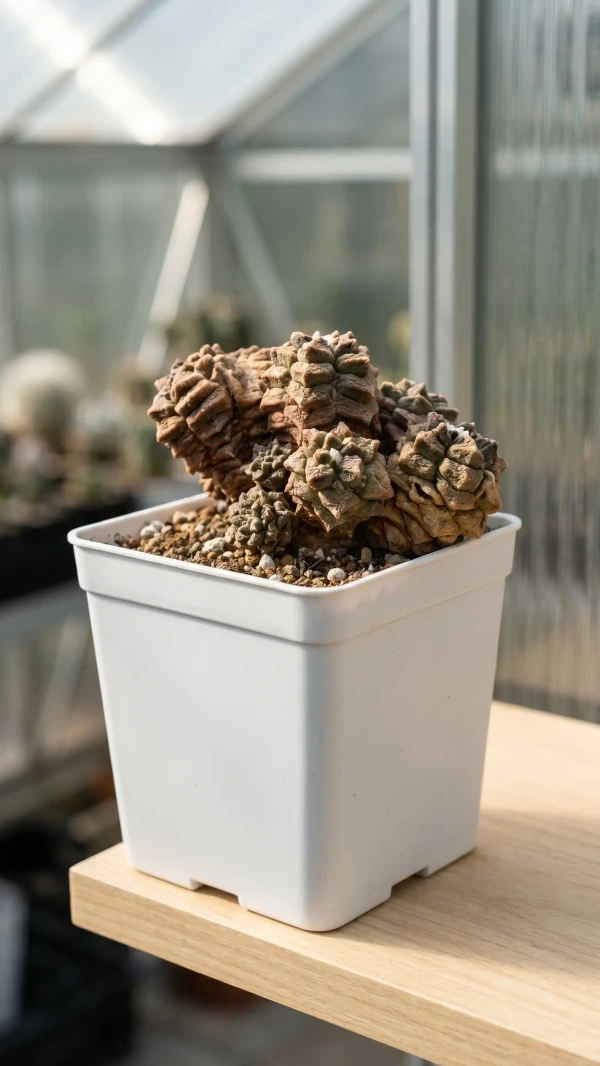
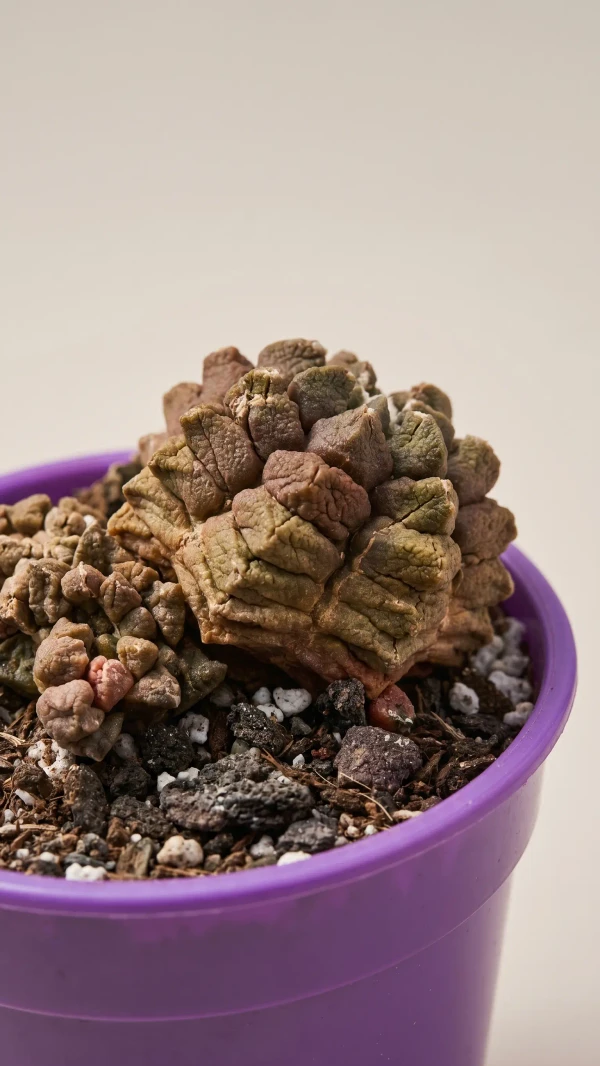
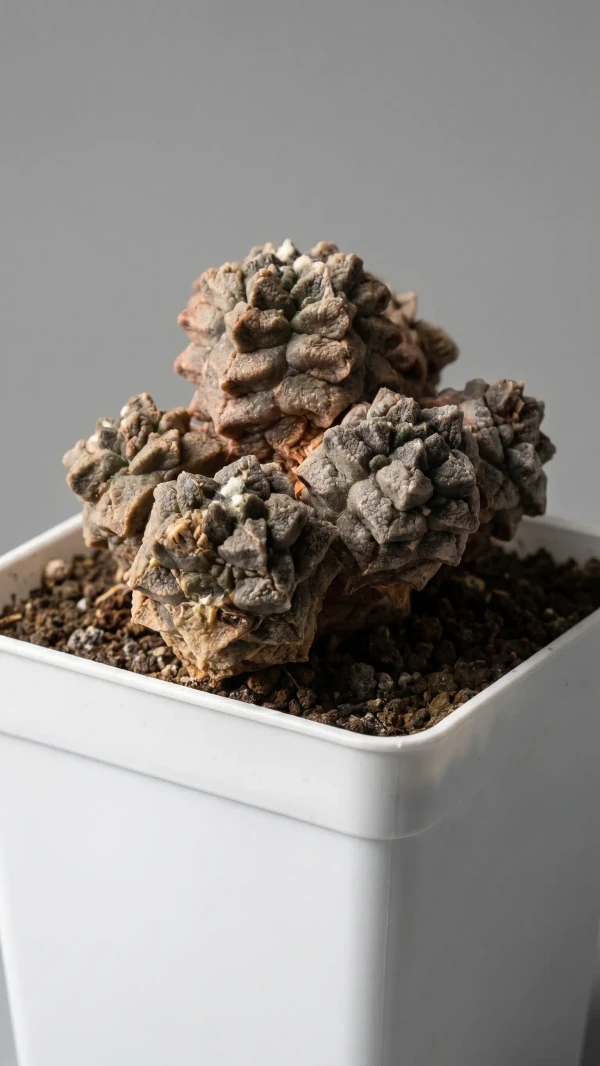
Ariocarpus fissuratus, a unique succulent belonging to the Cactaceae family, is native to the arid regions of Northern Mexico and Southern Texas. Commonly known as the 'Living Rock Cactus', this species is remarkable for its excellent camouflage, blending seamlessly with its stony environment. It features a very slow-growing stem, typically 5-15 cm in diameter, composed of flattened, deeply fissured tubercles that lie close to the soil surface 1. These tubercles mimic the surrounding rocks so effectively that locating the plant in its natural habitat can be quite challenging.

Morphological Characteristics

  • Stem: Grey-green, flattened, embedded at ground level, consisting of deeply fissured tubercles. Areoles are typically woolly and located at the tips of the tubercles.
  • Flowers: In late autumn, it produces attractive, funnel-shaped flowers, 2-5 cm in diameter, usually in shades of pink or magenta. These blooms offer a striking contrast to the plant's otherwise camouflaged appearance.
  • Root System: Possesses a large, thick taproot system, which enables the plant to store water and withstand prolonged drought conditions.

Natural Habitat and Conservation Status

Ariocarpus fissuratus thrives predominantly in limestone-based, arid desert and scrubland areas. Due to habitat degradation and illegal collection, this species is classified as Vulnerable (VU) on the IUCN Red List of Threatened Species 2. Its slow growth rate and specific habitat requirements make it particularly susceptible to environmental threats. Conservation efforts are crucial for the survival of this rare species. Its inclusion in CITES Appendix II means that its international trade is regulated and monitored 3.

Cultivation Considerations

Given its slow growth and specific needs, Ariocarpus fissuratus is generally recommended for experienced cactus growers. Overwatering is a primary cause of mortality. Key requirements include well-draining mineral-based soil and ample sunlight. When provided with the correct care, this unique cactus can be a fascinating addition to any collection.

References

  1. Anderson, Edward F. "The Cactus Family." Timber Press, 2001.
  2. IUCN Red List of Threatened Species. Ariocarpus fissuratus. The World Conservation Union. https://www.iucnredlist.org/species/151743/45239920 (Accessed 2023-10-27)
  3. Plants of the World Online (POWO). Ariocarpus fissuratus. Royal Botanic Gardens, Kew. https://powo.science.kew.org/taxon/urn:lsid:ipni.org:names:122285-1 (Accessed 2023-10-27)
Light

Full Sun

Loves direct sunlight, especially morning sun. Insufficient light can cause the plant to etiolate and lose its compact form.

Watering

25-60 Days

Extremely drought-tolerant. Absolutely do not water until the soil is completely dry. Requires almost no water in winter.

Soil

Very well-draining, mineral-rich cactus soil mix (pumice, perlite, sand)

Use a specialized, very high-drainage, mineral-rich mix for cacti and succulents. Ensure no water collects at the bottom of the pot.

Safety

Contact/Ingestion Risk

This plant contains alkaloids that can be toxic if ingested. Keep away from pets and small children.

Difficulty

Hard

Suitable for experienced cactus growers. Overwatering and incorrect soil choice can quickly lead to the plant's demise.

Native Habitat

Northern Mexico (Coahuila, Nuevo León, San Luis Potosí, Zacatecas) and Southern Texas

Ariocarpus fissuratus naturally occurs in the arid, desolate landscapes of the Mexican states of Coahuila, Nuevo León, San Luis Potosí, and Zacatecas, as well as in the rocky, limestone-based desert environments of Southern Texas in the USA. It is typically found hidden among other desert vegetation, often nestled in cracks or small depressions on low hills and plateaus. These regions experience a typical desert climate characterized by very low rainfall and significant temperature fluctuations.

Frequently Asked Questions

What is the ideal pot for Ariocarpus fissuratus?
Choose a pot with ample drainage holes, made from breathable material like terracotta or ceramic, suitable for its root system. The pot should not be excessively large.
How often should this cactus be watered?
In summer, water when the soil is completely dry, approximately every 3-4 weeks. During its winter dormancy, cease watering entirely or water very sparingly (e.g., once every two months).
How much light does Ariocarpus fissuratus require?
It needs abundant and direct sunlight. Morning sun is particularly beneficial. Insufficient light can lead to etiolation and a distorted form.
What type of soil should I use?
You should use a very well-draining, mineral-heavy cactus/succulent soil. A mix amended with drainage-enhancing materials like sand, perlite, and pumice is ideal.
When does Ariocarpus fissuratus bloom?
It typically blooms in late autumn, producing attractive pink or magenta flowers once the plant is fully mature.
How fast does this cactus grow?
Ariocarpus fissuratus is an extremely slow-growing species. It may only grow a few centimeters over many years, thus requiring considerable patience.
How often should I repot it?
Due to its very slow growth, frequent repotting is not necessary. Repotting every few years is usually sufficient, either when its roots fill the pot or the soil structure degrades.
What pests or diseases should I watch out for?
The biggest threat is root rot from overwatering. Mealybugs or spider mites may occasionally appear, but generally, it is quite resilient.
Does it need special care in winter?
During winter, cease watering and protect the plant from cold. Temperatures should not drop below 5°C, and it must be kept frost-free. It still requires ample light.
Is it toxic to pets?
Yes, Ariocarpus fissuratus contains alkaloids that can be toxic to pets if ingested. It's important to keep it out of their reach.