
Light
Filtered Sun
Protect from direct midday sun during summer; morning or late afternoon sun and bright filtered light throughout the day are ideal.
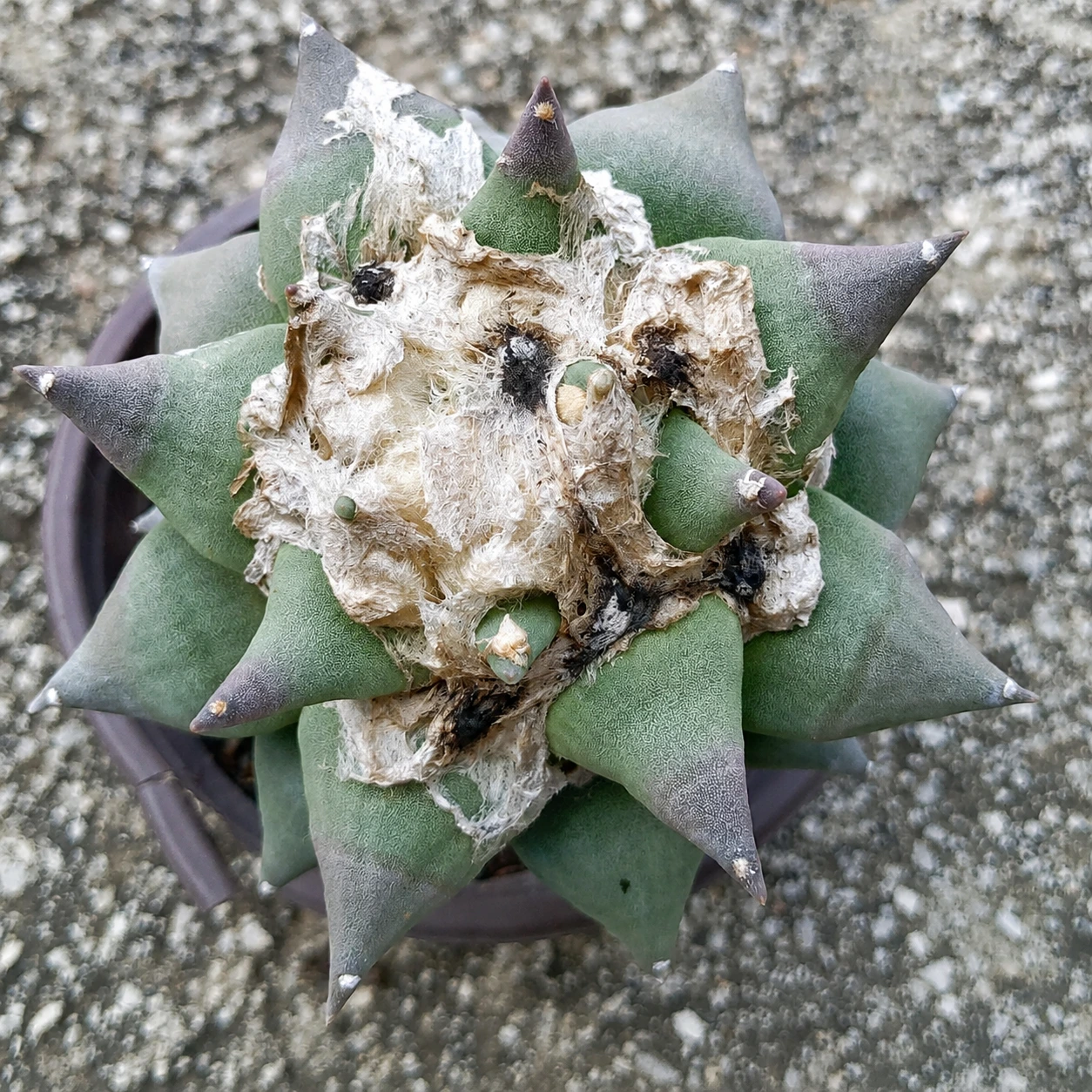
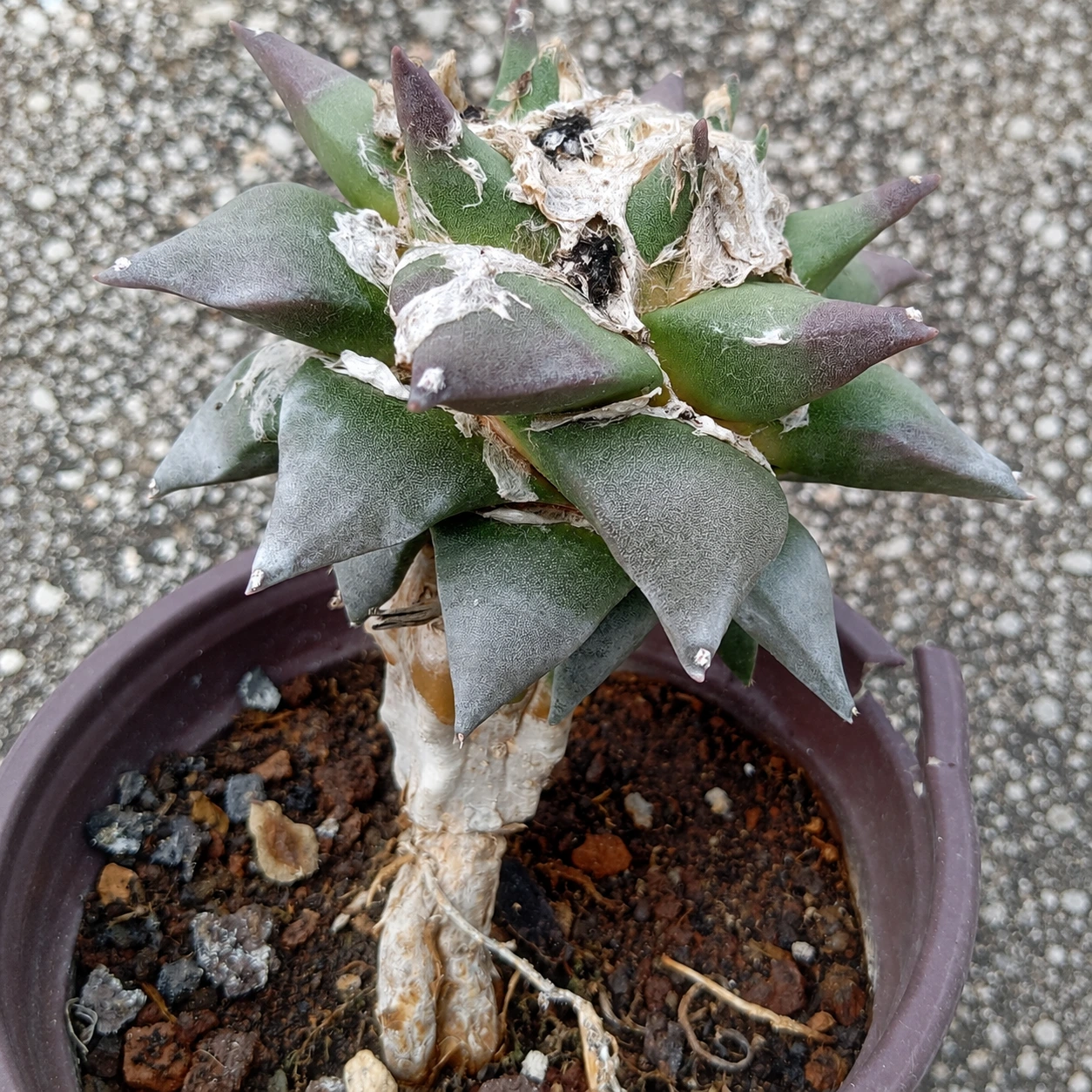
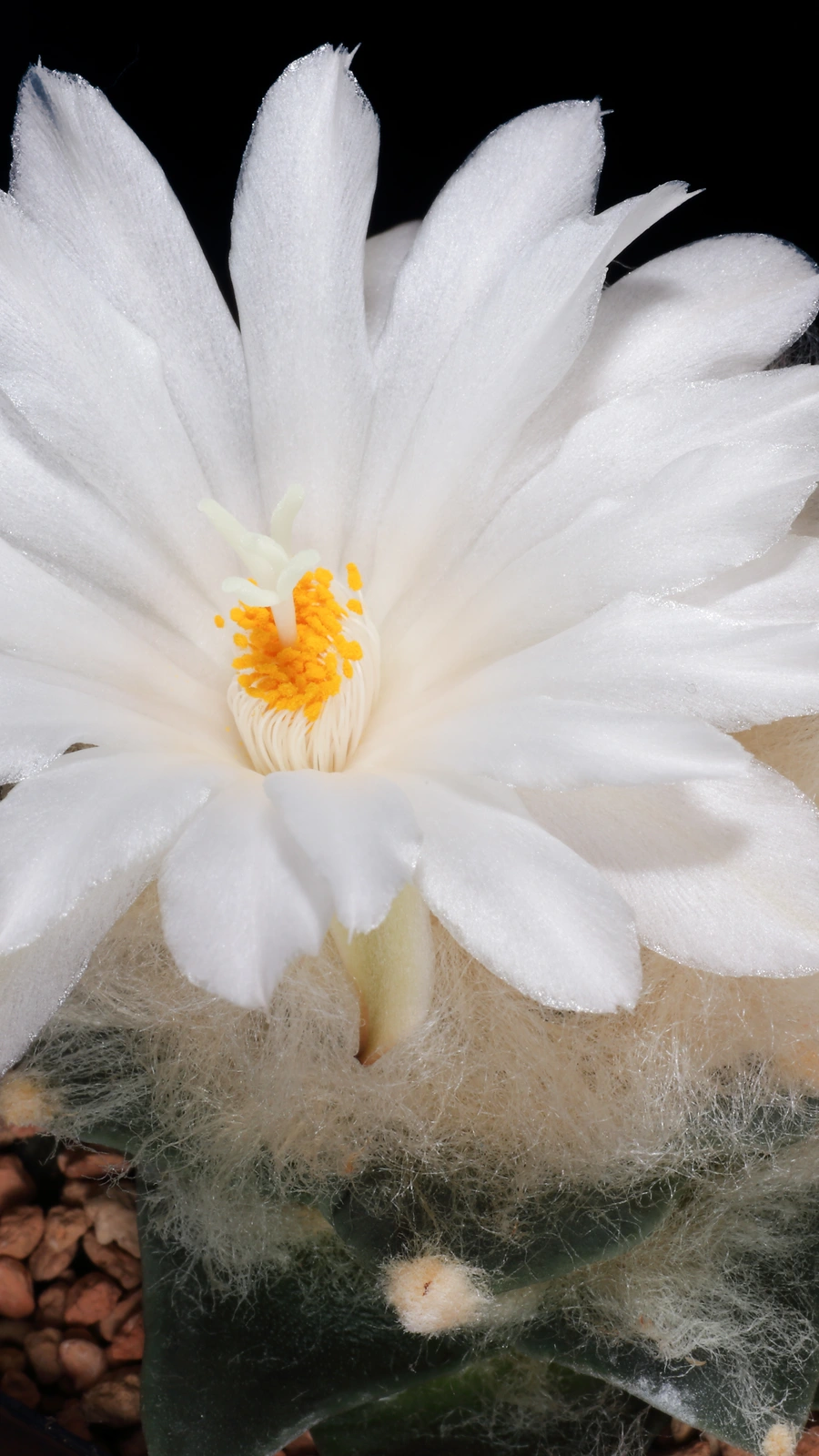 Reference image
Living Rock Cactus
Ariocarpus retusus is a captivating species with a unique position among succulent cacti. Also known as the "Living Rock Cactus," this plant is remarkable for its flat, deeply fissured body that typically hides among rocks, close to the soil surface in its natural habitat. Belonging to the genus Ariocarpus within the Cactaceae family, this species is native to arid and semi-arid regions stretching from southern Texas to central Mexico, particularly in the states of Coahuila, Nuevo León, and San Luis Potosí 1. Its slow growth rate and distinctive structure have made it highly popular among collectors.
The most striking characteristic of Ariocarpus retusus is the absence of spines, replaced by fleshy, triangular or rounded protrusions called tubercles on its stem apex. These tubercles help the plant maximize photosynthesis by increasing its surface area, while also enhancing its water storage capacity. Beneath the soil, the plant possesses a thick, carrot-like taproot system. This root serves as a crucial water storage organ, enabling the plant to survive during periods of drought. Its flowers, typically in shades of white, pink, or yellow, emerge in the autumn months from the plant's crown. These flowers usually open during the day and close at night, lasting for a short period.
Ariocarpus retusus is typically found in calcareous, rocky, and mineral-rich soils in its natural habitat. Its adaptation to these harsh conditions highlights its importance as a component of the desert ecosystem. Although its slow growth rate and habitat destruction in the wild threaten its populations, it is currently categorized as "Least Concern (LC)" on the IUCN Red List 2. However, illegal collection activities and ongoing habitat loss continue to pose long-term risks to this species. Cultivating it in private collections can help alleviate pressure on natural populations.
Protect from direct midday sun during summer; morning or late afternoon sun and bright filtered light throughout the day are ideal.
Water thoroughly in summer after the soil has completely dried out. In winter, reduce watering almost entirely, or lightly moisten once a month.
Use a specialized cactus soil with high air permeability, rich in minerals, prepared with materials like sand, pumice, and lava rock.
Despite being spineless, sap (containing alkaloids) can cause irritation or health issues if ingested, so handle with caution.
Due to its slow growth and specific soil, watering, and light requirements, it is more suitable for experienced cactus growers.
*Ariocarpus retusus* is endemic to the arid and semi-arid desert regions of Mexico. It naturally thrives on calcareous, rocky slopes and low hillsides near dry stream beds, particularly in states such as Coahuila, Nuevo León, San Luis Potosí, Tamaulipas, Zacatecas, Hidalgo, Guanajuato, and Querétaro. These regions are characterized by high-altitude plateaus and mountainous terrain. The plant typically inhabits dry, hot climatic conditions alongside other cacti, succulents, and xerophytic shrubs.
