
Light
Filtered Sun
Bright filtered sunlight. Protect from intense, direct midday summer sun to avoid scorching.
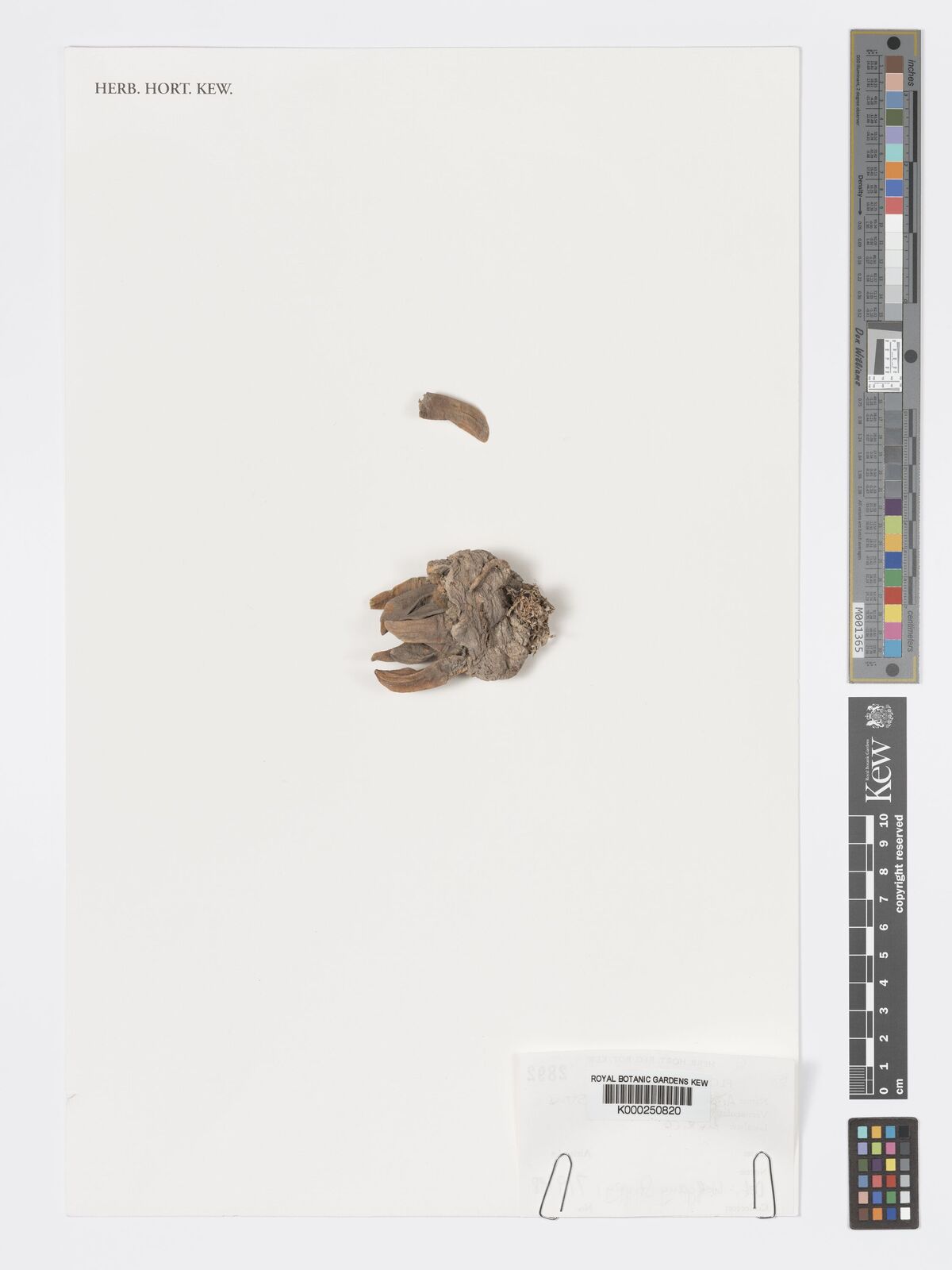 Reference image
Beak-tubercled Ariocarpus
Ariocarpus scaphirostrus (often spelled scapharostrus) is one of the rarest and most sought-after species within the family Cactaceae. Highly prized by specialists, this slow-growing geophytic cactus is severely threatened in its natural habitat due to illegal collection and environmental pressures 1.
First described by Friedrich Boedeker in 1930, the specific epithet "scaphirostrus" is derived from Greek "skaphis" meaning boat or bowl, and Latin "rostrum" meaning beak, directly referencing the unique, boat-shaped tubercles that characterize the plant 2.
This species is micro-endemic to a single valley in Nuevo León, Mexico. It grows on steep, highly eroded limestone shale hills in dry desert shrublands, virtually blending in with the surrounding stony gravel during dry periods 1.
Ariocarpus scaphirostrus is a small, solitary succulent subshrub with a flattened, dark greyish-green stem that scarcely rises above the soil level. The tubercles are erect, divergent, narrow, and distinctly curved upward like a bird's beak. In late autumn, spectacular magenta-pink flowers arise from the woolly center 2.
Cultivation of this species represents a major challenge. It possesses a large, fleshy taproot that is highly vulnerable to excess moisture. A purely mineral substrate composed of pumice, lava granulate, and limestone grit is mandatory. Water must be applied sparingly during summer and withheld completely in winter 2.
Using standard peat-based potting soils or overwatering is the most common cause of rapid decline. Lacking sufficient ventilation and keeping the plant in low-light conditions will lead to atypical elongation and irreversible damage.
Bright filtered sunlight. Protect from intense, direct midday summer sun to avoid scorching.
Water only during active warm periods once the substrate is completely dry. Absolutely zero water in winter.
Strictly inorganic mineral mix: pumice, grit, and limestone. No organic peat.
Spineless, but contains psychoactive alkaloid compounds that are toxic to pets if ingested.
Expert level. Requires precise watering control and optimal substrate ventilation.
Confined to a highly specific, restricted valley in Nuevo León, Mexico, where it thrives on steep, dry, barren limestone shale cliffs.
