
Light
Bright Indirect Light
Requires full sun or very bright, filtered light, preferably on a south-facing windowsill.
 Reference image
 Reference image
Philippi South Cactus
Austrocactus philippii is a rare and highly specialized cactus species belonging to the family Cactaceae, native to the high-altitude, harsh environments of South America. Characterized by its succulent subshrub growth form, this species is highly prized among cactus enthusiasts for its unique spination and remarkable cold tolerance 1.
The species was named in honor of the renowned German-Chilean paleontologist and zoologist Rudolf Amandus Philippi. The genus Austrocactus signifies cacti of southern distribution. Synonyms include Cereus philippii and Echinocactus philippii, reflecting its historical taxonomic shifts within alpine cactus classifications 2.
This species is native to the Andean regions of Chile and Argentina, thriving in subtropical and subalpine zones. It inhabits steep rocky slopes, volcanic screes, and porous soils with minimal organic matter. These high-altitude habitats subject the plant to winter snow cover, contributing to its extreme frost hardiness 3.
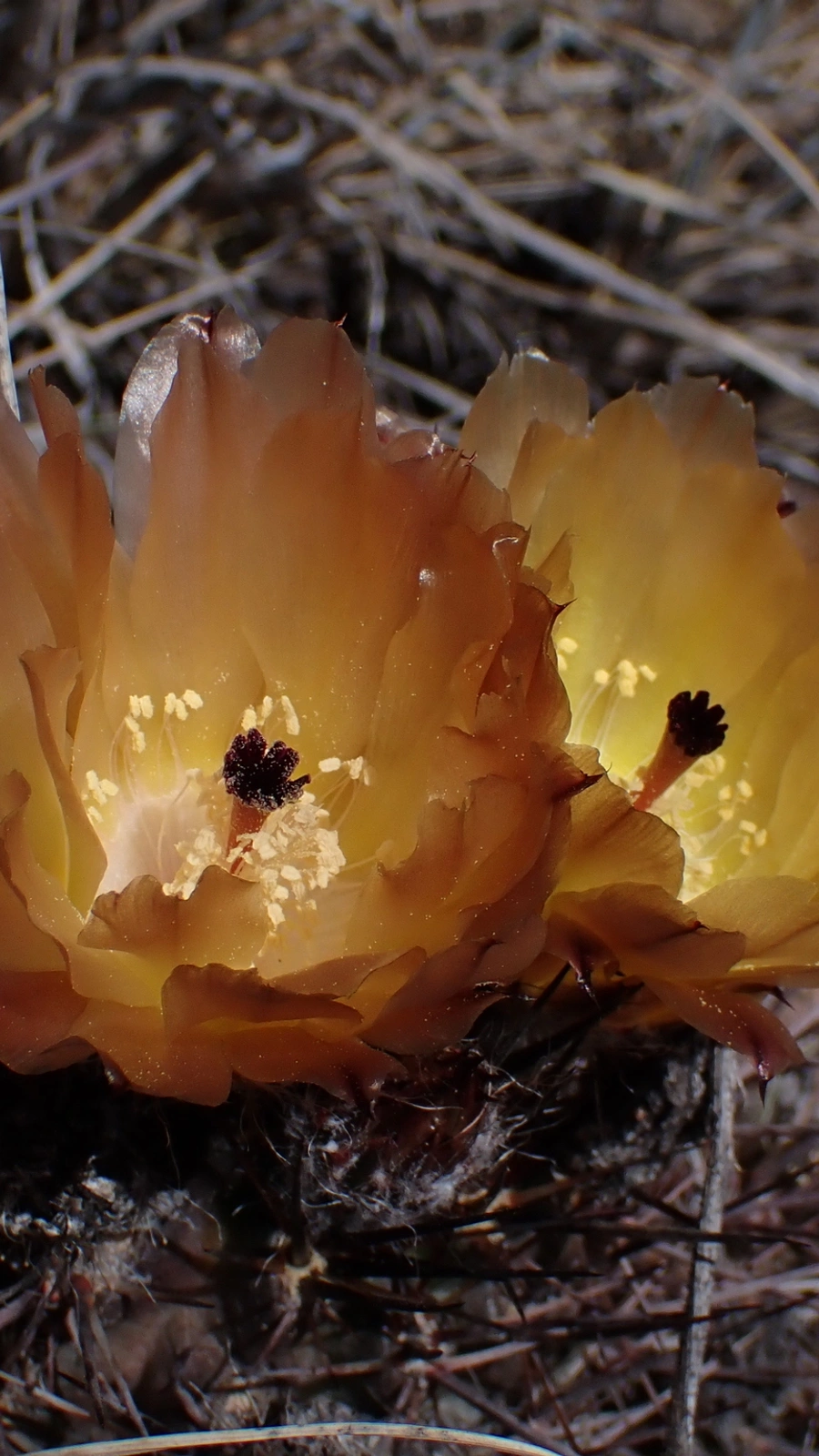
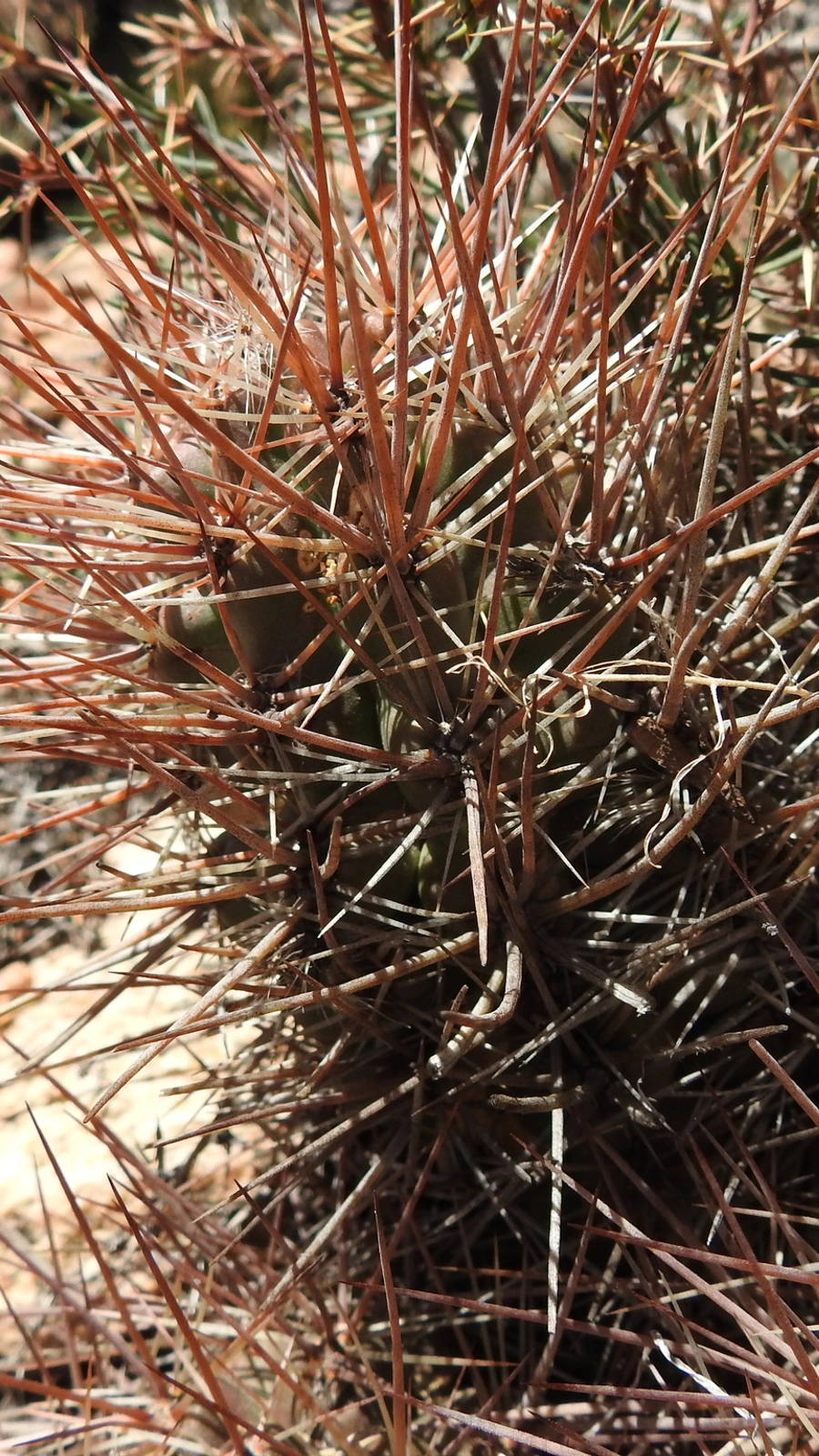
Austrocactus philippii features cylindrical stems that branch from the base to form small, compact clumps. The stems are ribbed with prominent areoles, bearing stiff, slightly curved central and radial spines in shades of yellow, amber, and brown. In late spring and summer, it produces funnel-shaped flowers near the stem tips, ranging in color from pale yellow to rich coppery-bronze 2.
In cultivation, it requires an extremely porous mineral substrate consisting mostly of pumice, grit, and volcanic rock. Watering should be moderate during the active spring and summer growing season, allowing the soil to dry out completely. A dry, cold winter dormancy is essential to trigger spring flowering.
The most prevalent issue is root rot, caused by heavy organic soils and poor drainage. Overwatering during winter or keeping the plant in warm indoor conditions during its dormancy will lead to weak, stretched growth (etiolation) and a failure to set blooms.
Requires full sun or very bright, filtered light, preferably on a south-facing windowsill.
Water thoroughly in summer after the soil dries completely; keep dry during winter dormancy.
Needs mineral-heavy, slightly acidic cactus soil mixed with plenty of pumice and grit.
Non-toxic, but the sharp spines pose a physical hazard to children and pets.
Moderate; requires strict watering discipline and a cool winter rest period.
Inhabits high alpine and subalpine rocky slopes of the southern Andes, growing in volcanic scree and tolerating cold, snowy winters.
