
Light
Full Sun
Requires full, direct sun. Insufficient light leads to etiolation and loss of its dense white wool.
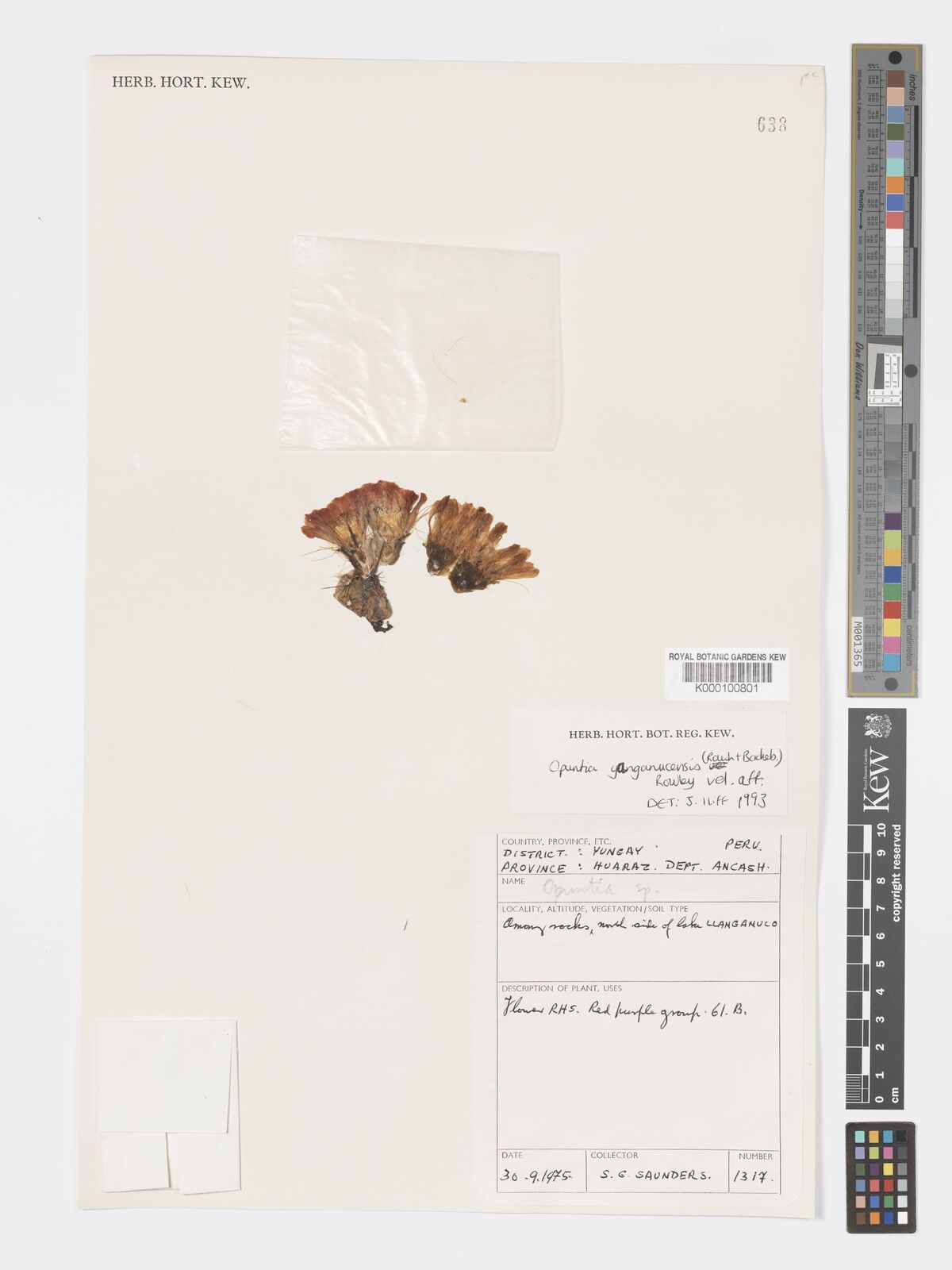 Reference image
Fluffy Woolly Cactus
Austrocylindropuntia floccosa is a remarkable cushion-forming succulent shrub adapted to the harsh conditions of the high-altitude Andean plateaus. It is famous for its dense covering of white, wool-like hairs that shield the plant from freezing temperatures and intense solar radiation.
Belonging to the family Cactaceae, the species was initially described under the genus Opuntia before being transferred to Austrocylindropuntia 1. The specific epithet "floccosa" refers to the woolly, tufted appearance of its long hairs.
This species is native to the high-elevation Puna grasslands of Peru and Bolivia, typically growing at altitudes between 3,500 and 4,600 meters above sea level 2. It thrives in rocky soils under extreme daily temperature fluctuations.
It forms large, dense, rounded mounds up to several meters across. The short, cylindrical green segments are completely enveloped in long, soft, white woolly hairs, interspersed with sharp yellow spines. Bright yellow or orange flowers emerge from the stem tips.
In cultivation, it requires an extremely porous, mineral-rich substrate. Due to its alpine heritage, it demands intense, direct sunlight and distinct night-time cooling. It is exceptionally cold-hardy down to -10°C if kept bone dry 1.
The most frequent mistakes are overwatering and placing the plant in poorly ventilated, low-light spaces. Lack of adequate sunlight results in weak, thin growth (etiolation) and a significant reduction in its signature white woolly coating.
Requires full, direct sun. Insufficient light leads to etiolation and loss of its dense white wool.
Water thoroughly only when the substrate is completely dry. Keep completely dry in winter.
Extremely well-draining, mineral-heavy soil mix with high pumice, gravel, and sand content.
Non-toxic, but handle with care as sharp spines are hidden beneath the soft-looking woolly hairs.
Moderate. Easy if provided with enough direct sunlight and dry conditions, but highly sensitive to dampness.
Naturally distributed across the high-altitude Andes of Peru and Bolivia, thriving in the extreme, cold alpine grasslands known as the Puna ecosystem.
