
Light
Direct Sun
Requires direct sun or very strong grow lights. Lack of light leads to weak, elongated stems.
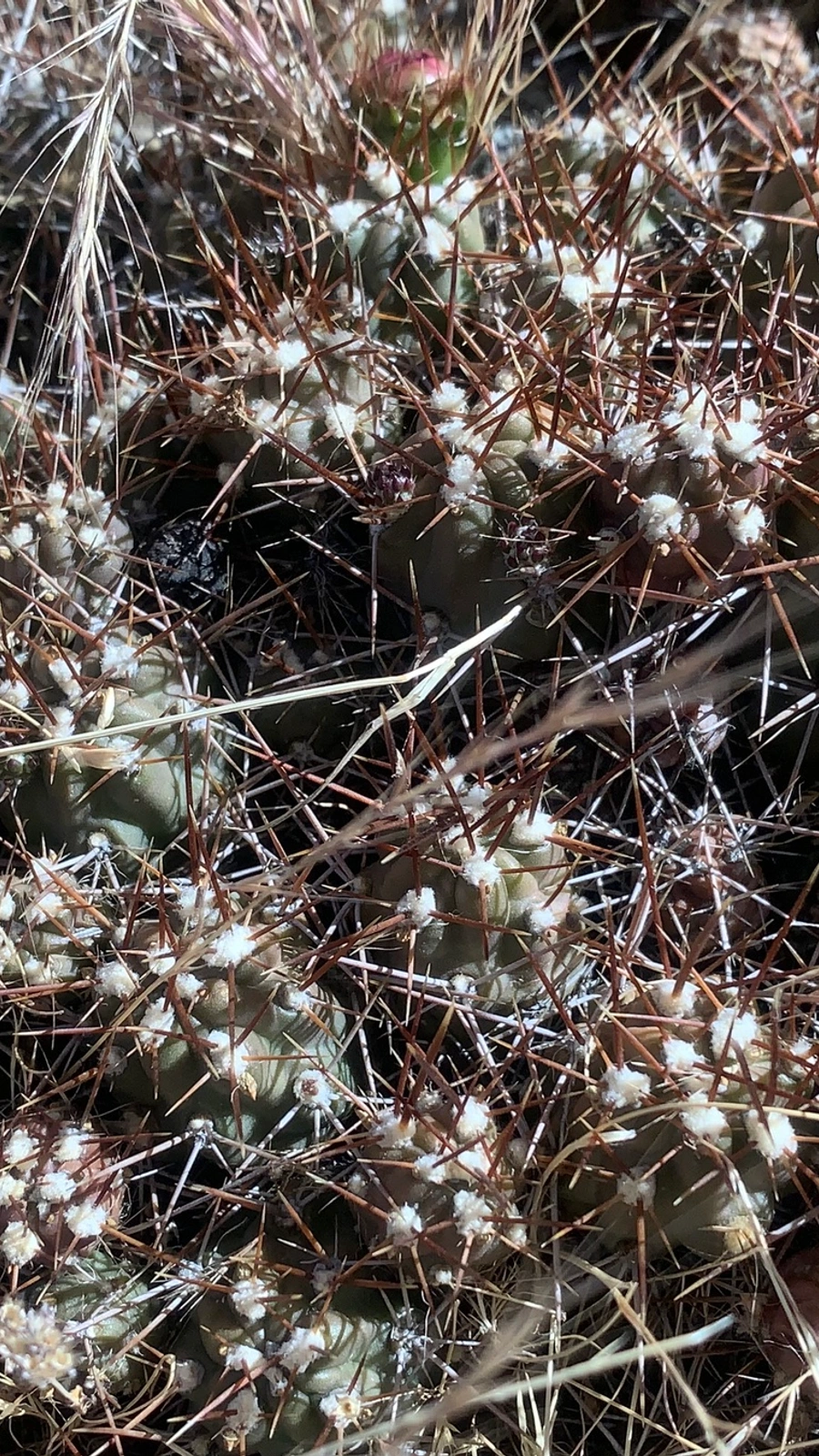 Reference image
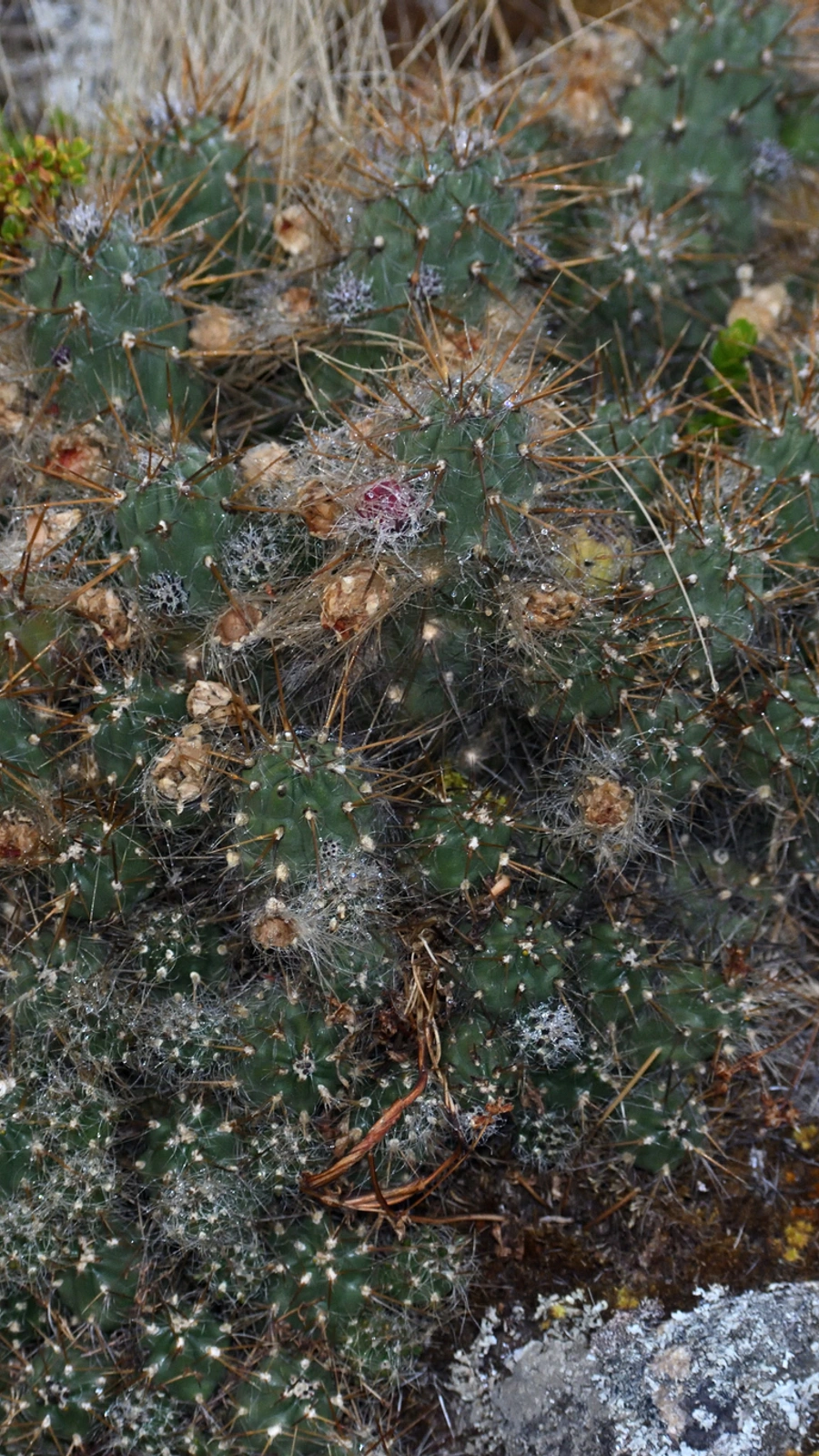 Reference image
Lauliaco Cylindrical Cactus
Austrocylindropuntia lauliacoana is a succulent subshrub in the family Cactaceae, native to the high-altitude Andean regions of Peru. Adapted to harsh mountain environments, this species is highly valued by specialized collectors for its unique cylindrical form and defensive spination 1.
The species name lauliacoana references its type locality near Lauliaco in Peru. The genus name Austrocylindropuntia combines the Latin "austro" (southern) and "cylindropuntia," distinguishing these southern cylindrical opuntioid cacti from their North American relatives 2.
Native to western South America, specifically the high elevations of Peru, this species thrives in montane tropical biomes. It typically grows on steep, rocky slopes and gravelly soils where solar radiation is intense and drainage is immediate 3.
This plant forms a branched subshrub with erect, cylindrical stems segmenting naturally. Stems are covered in prominent tubercles, with areoles bearing sharp, yellowish-white spines. The ephemeral, vestigial leaves drop early in the season. Flowers are diurnal, presenting vivid red to orange tones near the stem apices.
In cultivation, it demands maximum light intensity and a strictly porous, mineral-based growing medium. Water should be applied only when the substrate is fully dry. The plant benefits from a cool, dry winter dormancy period to encourage robust growth and potential flowering.
The most frequent mistakes are overwatering in heavy organic soil, which induces basal rot, and inadequate light levels, leading to etiolated, weak, and thin growth.
Requires direct sun or very strong grow lights. Lack of light leads to weak, elongated stems.
Allow soil to dry 100% between waterings. Reduce watering to a bare minimum during winter dormancy.
Highly porous mineral substrate containing pumice, gravel, and minimal organic matter is essential.
Equipped with sharp spines that can puncture skin. Keep out of reach of pets and handle with thick gloves.
Moderate. Thrives on neglect but extremely sensitive to overwatering and poor light.
Occurs in the high elevations of the Peruvian Andes, inhabiting rocky, arid slopes under intense sunlight and wide diurnal temperature fluctuations.
