Austrocylindropuntia vestita

Woolly Opuntia

Austrocylindropuntia vestita: The Woolly Desert Dweller

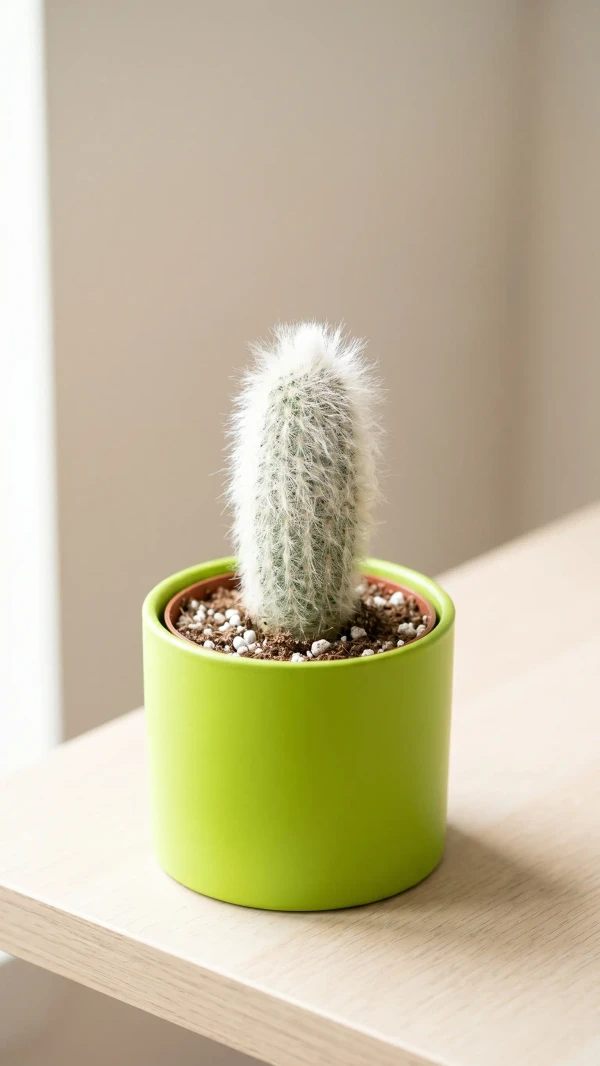
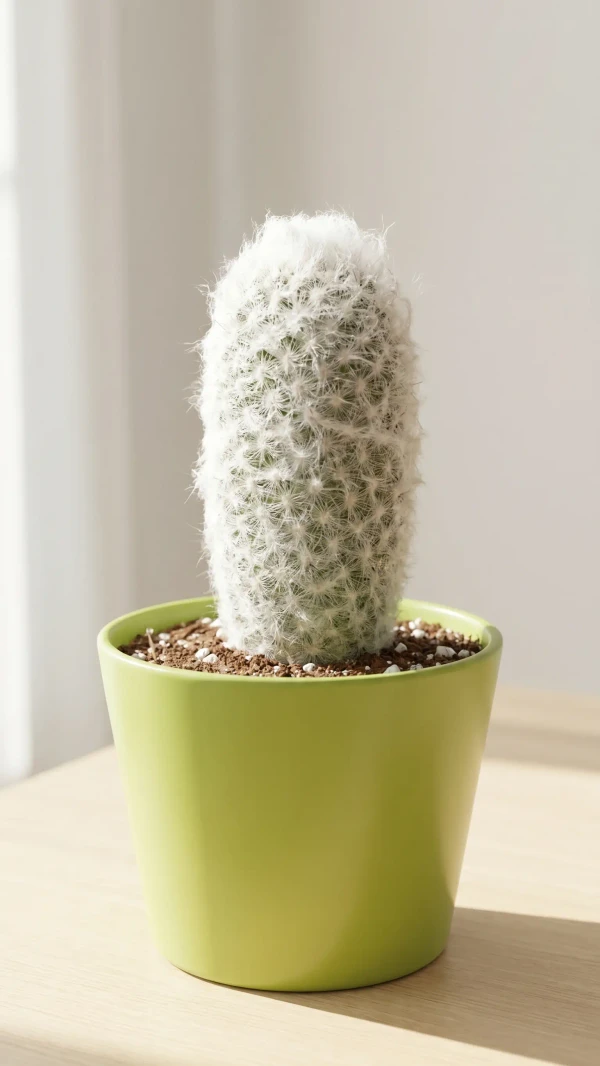
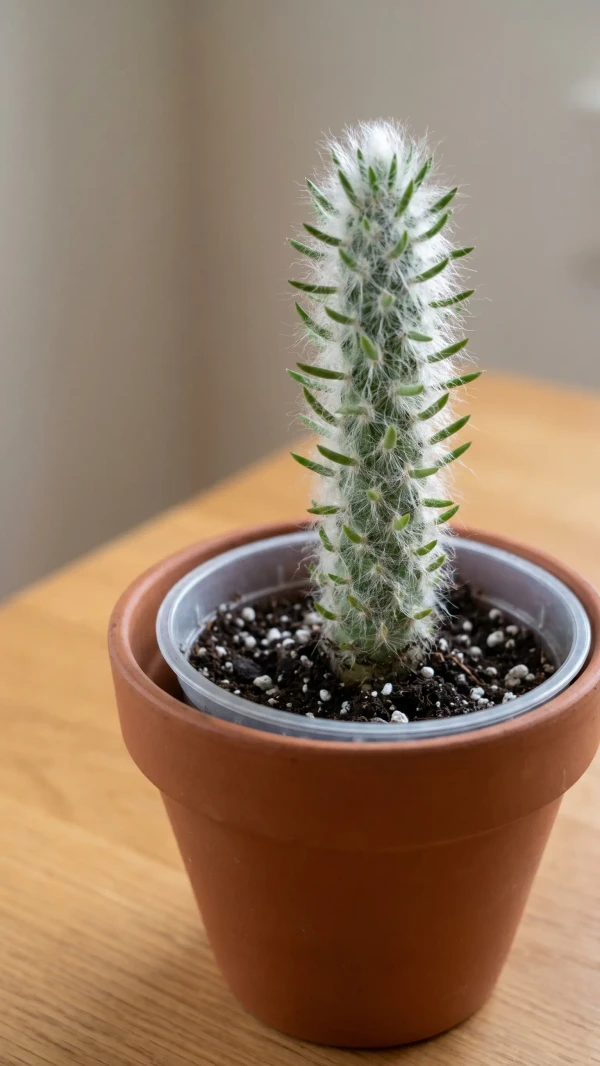
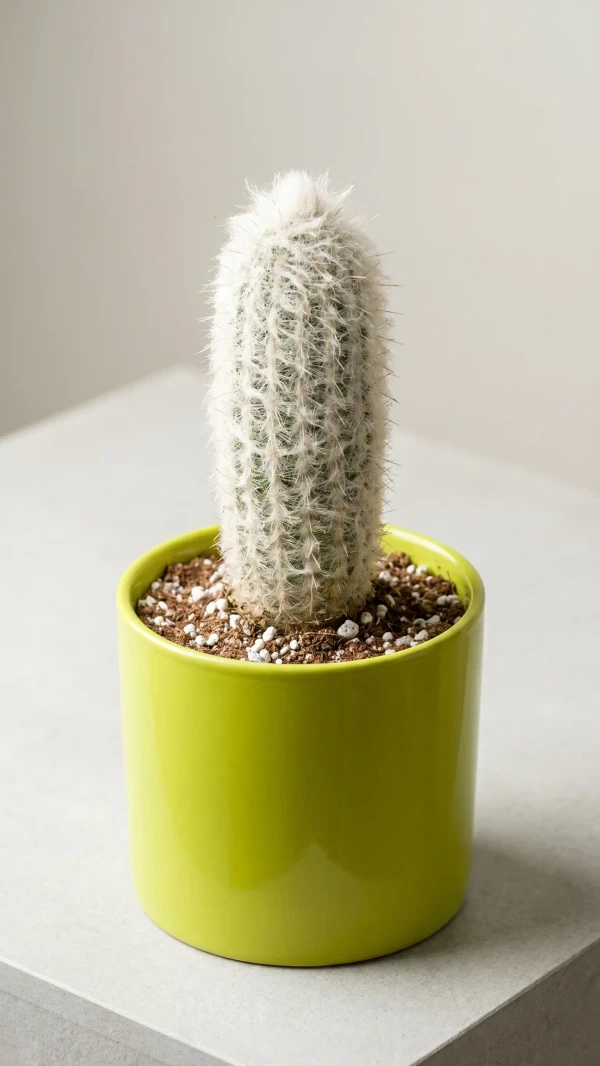
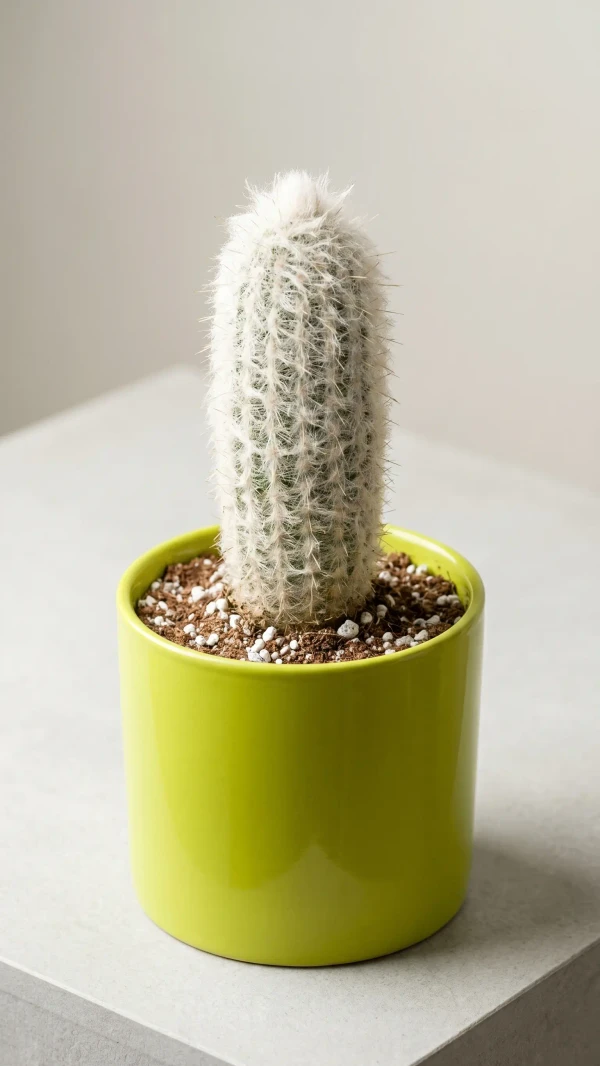
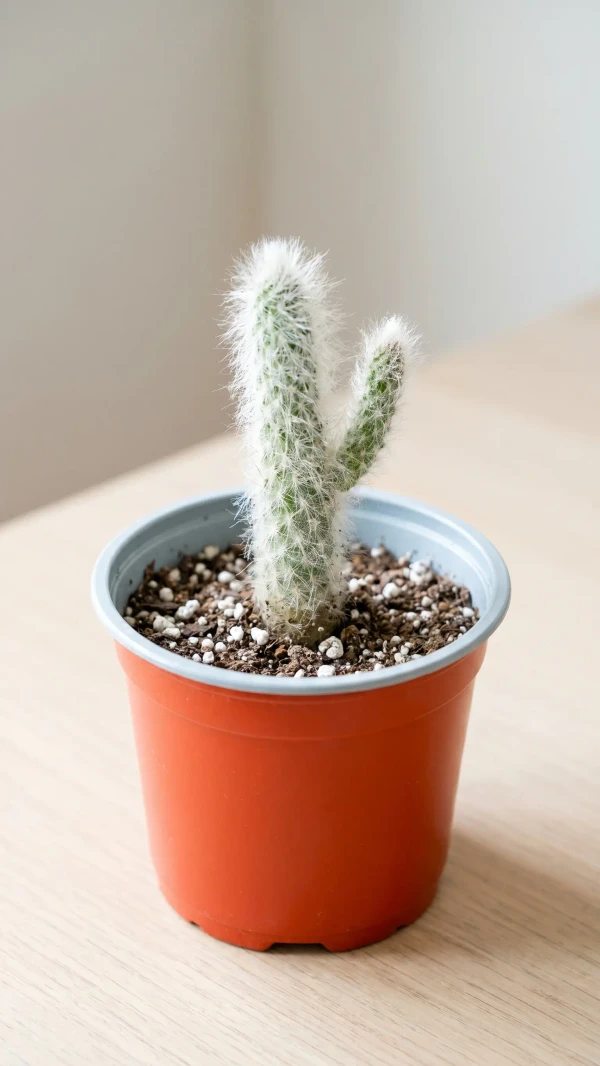
Native to the arid landscapes of the high Andes Mountains in South America, Austrocylindropuntia vestita is a fascinating member of the cactus family (Cactaceae). Also known as "Woolly Opuntia" or "Old Man Opuntia," this plant stands out due to its distinctive appearance. Its stems are typically cylindrical and densely covered with white hairs and spines, giving it a "woolly" or "old man" look. These hairs serve as a natural adaptation mechanism, protecting the plant from both excessive sunlight and freezing temperatures .

Morphological Characteristics

  • Stem Structure: Composed of elongated, erect or sprawling, cylindrical segments. It can typically reach heights of 50 cm to 1 meter.
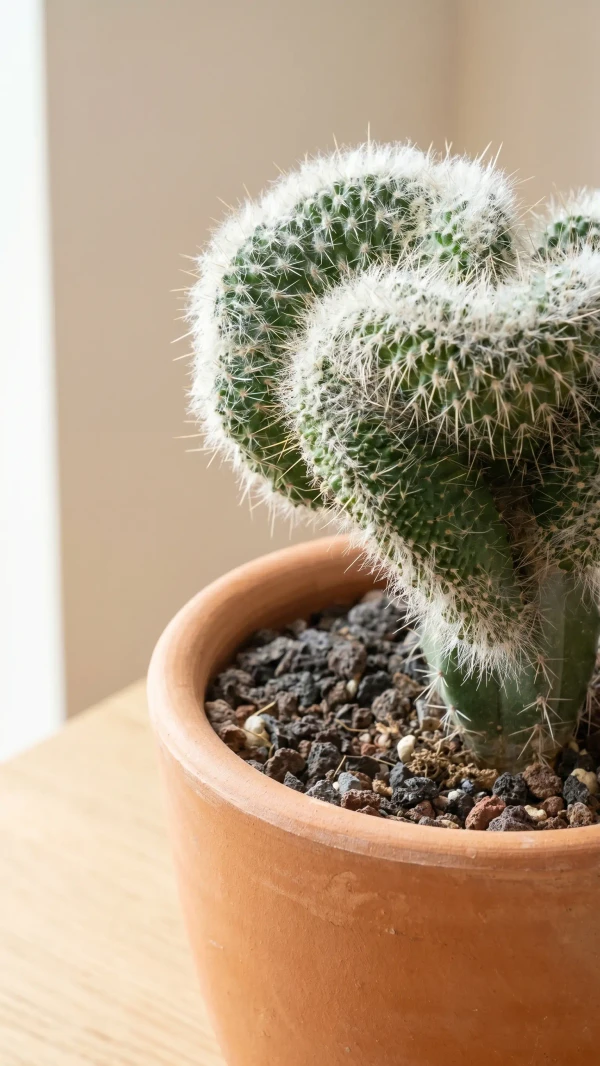
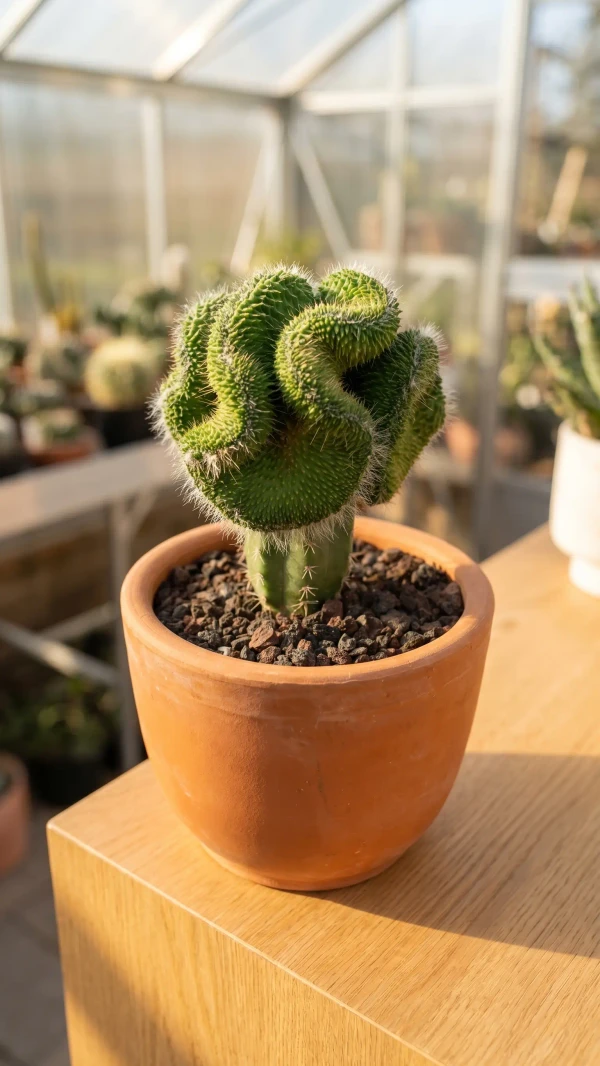
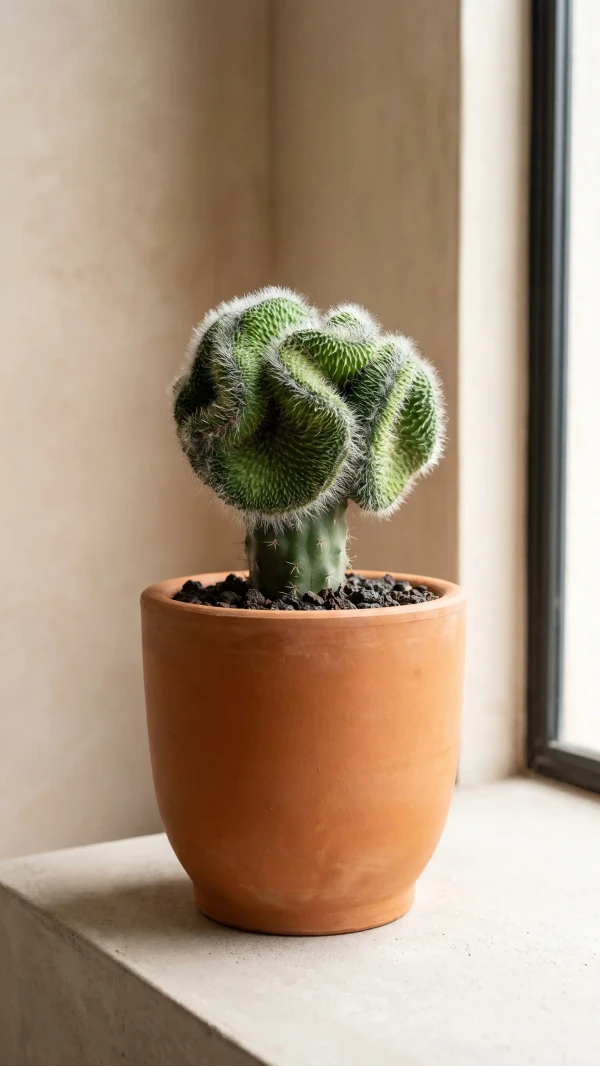
  • Hairs and Spines: Dense white, woolly hairs (glochids) and sharp spines completely cover the stems. This structure reduces water loss and provides effective protection against herbivores.
  • Flowers: Small flowers, typically reddish, pinkish, or orangish in color, blooming during the summer months. The fruits are reddish and spherical.

Natural Habitat and Ecology

A. vestita is naturally found in the high-altitude, semi-arid regions of Bolivia, Peru, and northwestern Argentina. It typically grows at elevations between 2500 and 4000 meters, on rocky slopes and in open grasslands. This challenging environment has driven the evolution of the plant's dense, woolly structure and drought-tolerance.

Home Cultivation and Aesthetic Value

Relatively easy to care for at home, this cactus thrives as long as it receives plenty of sunlight and is grown in well-draining soil. It adds a unique visual interest to minimalist or modern interior designs. Its woolly appearance distinguishes it from other cactus species, making it an exceptional addition to rock gardens, winter gardens, or cactus collections .

References:

  • : Anderson, Edward F. (2001). The Cactus Family. Timber Press. ISBN 0-88192-498-9.
  • : Preston-Mafham, Rod & Ken (1992). Cacti: The Illustrated Dictionary. Timber Press. ISBN 978-0881922648.
Light

Direct Sun

Loves abundant direct sunlight. Indoors, choose the brightest window sill available.
Watering

14-45 Days

Water thoroughly when the soil is completely dry. Significantly reduce watering frequency in winter.

Soil

Well-draining cactus and succulent mix

Use a fast-draining, gritty, and mineral-rich cactus/succulent mix.

Safety

Contact/Ingestion Risk

Wear gloves when handling the plant. Its dense spines and glochids can cause skin irritation. Keep away from pets.

Difficulty

Easy

A drought-tolerant and easy-care cactus. Suitable for beginners, but protect from overwatering.

Native Habitat

Bolivia, Peru, Northwestern Argentina

Austrocylindropuntia vestita naturally thrives in the high mountains of South America, specifically in the Andean foothills of Bolivia, Peru, and northwestern Argentina. These regions are characterized by semi-arid climates, typically featuring warm daytime temperatures and cool nights. The plant is commonly found on rocky slopes and in open, sunny shrublands.

Frequently Asked Questions

How can I grow Austrocylindropuntia vestita indoors?
This cactus thrives best on a sunny windowsill with direct light and in a well-draining soil mix. Ensure the soil completely dries out between waterings, and provide very little water during winter.
How often should Austrocylindropuntia vestita be watered?
During the summer growing season, it can be watered approximately every 10-14 days after the soil has completely dried out. In winter, water once a month or less frequently, providing very little water.
What are the ideal light conditions for Austrocylindropuntia vestita?
It loves direct sunlight. A spot receiving at least 6 hours of direct sun per day is ideal. Insufficient light can cause the plant to etiolate and become weak.
What type of soil does Austrocylindropuntia vestita prefer?
You should use a special fast-draining, gritty, and mineral-rich cactus and succulent soil mix. A mixture of loam and perlite can also be suitable.
Does Austrocylindropuntia vestita flower? When?
Yes, it typically produces small reddish, pinkish, or orange-toned flowers during the summer months. Ample sunlight and proper winter dormancy are crucial for flowering.
How fast does Austrocylindropuntia vestita grow?
It is a moderately fast-growing cactus. Under optimal conditions, it can grow a few centimeters per year and eventually form a bushy shrub.
Is Austrocylindropuntia vestita toxic to pets?
The plant itself is not considered toxic, but its dense spines and glochids (small barbed hairs) can cause irritation to pets' mouths, skin, or eyes. It should be kept in a safe place away from pets.
How should I choose a pot for Austrocylindropuntia vestita?
Always choose a pot with drainage holes to prevent root rot. Clay or terracotta pots are excellent choices as they help with moisture evaporation.
Why is my Austrocylindropuntia vestita stretching and looking weak?
This usually happens due to insufficient light. The plant stretches (etiolation) in an attempt to reach more light. You can correct this by moving it to a brighter location.
How should I protect Austrocylindropuntia vestita in winter?
During winter months, almost completely cease watering and protect the plant from cold and frost. A cool, dry place where temperatures do not drop below freezing is ideal.