
Light
Bright Indirect Light
Prefers bright, filtered sunlight or morning sun. Avoid scorching afternoon sun in hot climates.
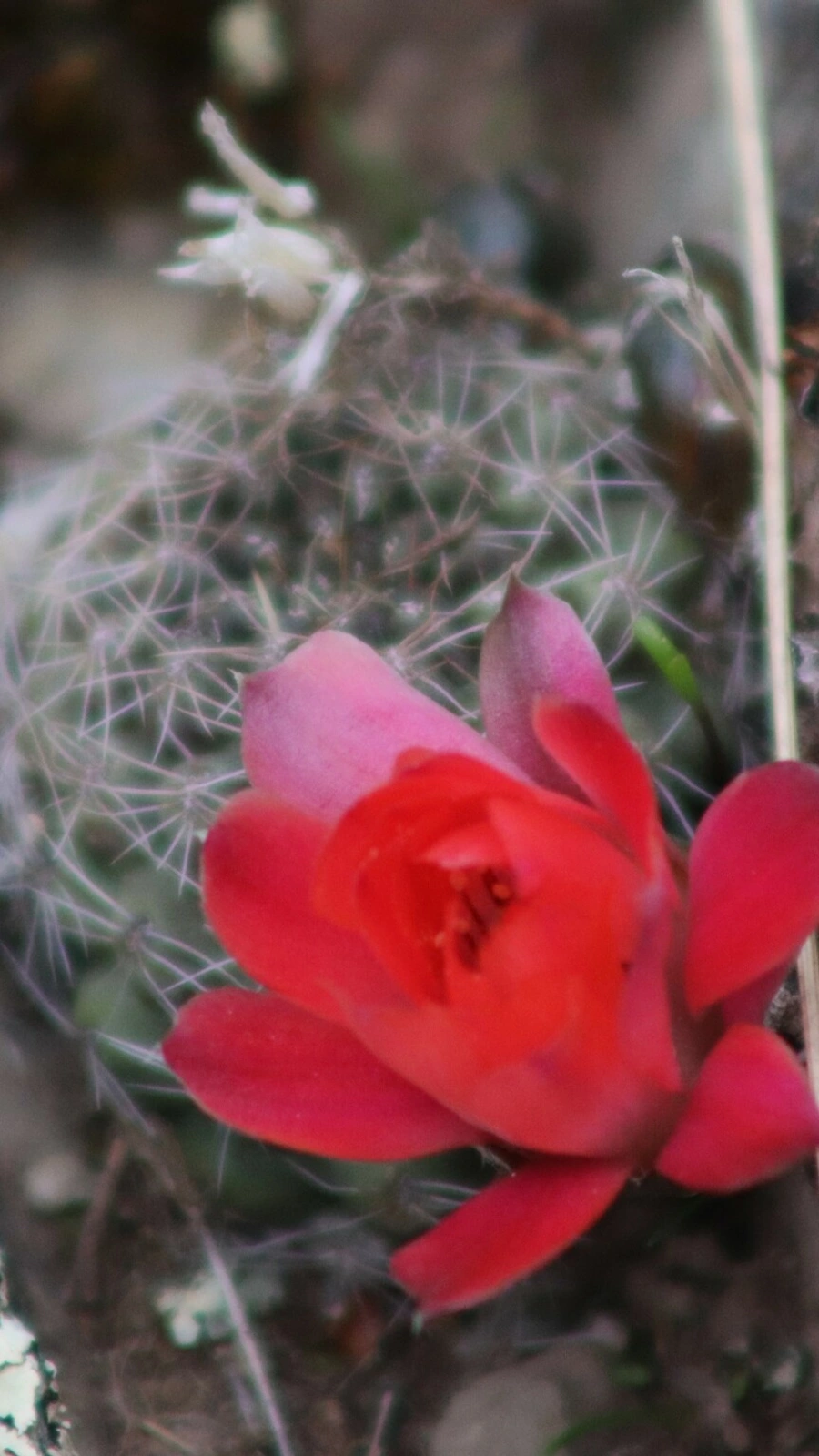 Reference image
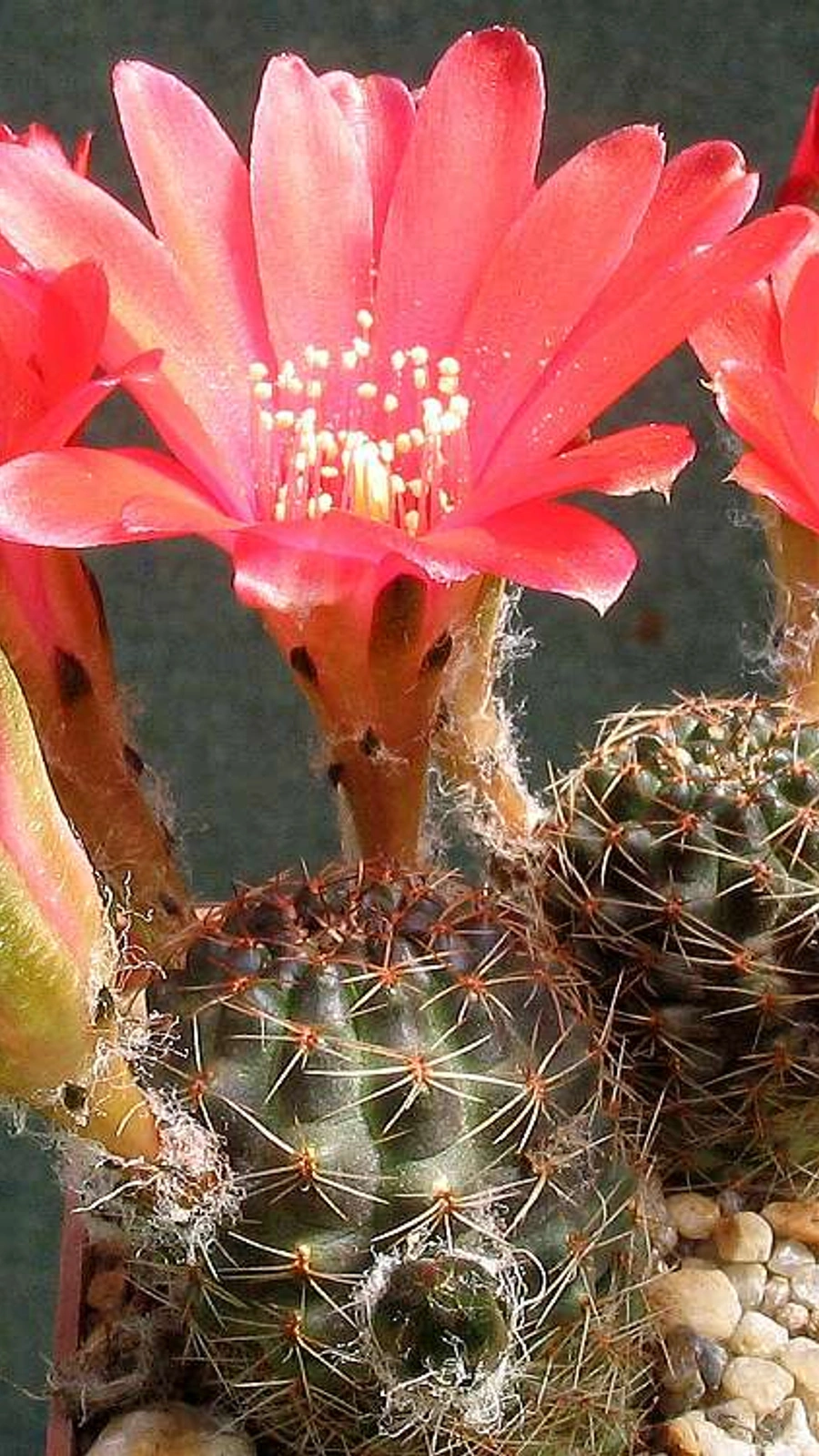 Reference image
Dark Green Rebutia
Aylostera atrovirens (synonym: Rebutia atrovirens) is a small, clustering, succulent subshrub belonging to the Cactaceae family 1. Renowned among collectors for its prolific and vibrant floral display, this cactus is well-adapted to surviving high-altitude mountain environments.
Originally described by Curt Backeberg, the species was long kept under the broad genus Rebutia. However, modern phylogenetic and morphological investigations have placed it within the genus Aylostera, distinguished by its specific rib structure and hair-bearing flower tubes 2. The specific epithet 'atrovirens' is derived from Latin, translating to 'dark green', referencing the plant's distinctive dark epidermis.
This species is native to the high-elevation zones of Bolivia and Northwestern Argentina in Southern South America 1. It thrives in montane tropical biomes, typically growing on rocky outcrops and steep gravelly slopes between 2500 and 4000 meters above sea level 2.
The stems are globose to shortly cylindrical, forming tight, low-growing mounds through prolific basal offsetting. The skin has a beautiful deep olive-green to purplish-bronze hue. Areoles host small, pectinate, whitish-grey spines. In late spring, the plant produces numerous funnel-shaped, intense red, orange-red, or deep crimson flowers arising from the lower stem parts 1.
In cultivation, it requires a mineral-based, gritty substrate with exceptional drainage. It prefers bright, indirect sunlight or filtered morning sun. Watering should be deep but infrequent during the active growing season, allowing the medium to dry out completely. Winter care requires a strict dry rest at cool temperatures to trigger successful blooming.
Overwatering during the winter dormancy is the most frequent cause of root rot 2. Additionally, insufficient light leads to etiolation, causing the naturally compact, globular stems to stretch and weaken.
Prefers bright, filtered sunlight or morning sun. Avoid scorching afternoon sun in hot climates.
Water only when the substrate is fully dry. Keep almost completely dry in winter.
Highly porous mineral mix with pumice, grit, and very little organic matter.
Non-toxic to pets, but has fine spines that can cause mechanical irritation; handle with care.
Very easy and resilient if you respect its dry winter rest period.
Grows naturally in the high-altitude Andean regions of Bolivia and Northern Argentina, inhabiting rocky crevices and gravelly slopes under intense solar radiation and cool mountain temperatures.
