
Scientific taxonomy article
Auto-generated taxonomy record for Aylostera.
Aylostera
Auto generated taxonomy record for Aylostera.
Auto-generated taxonomy record for Aylostera.
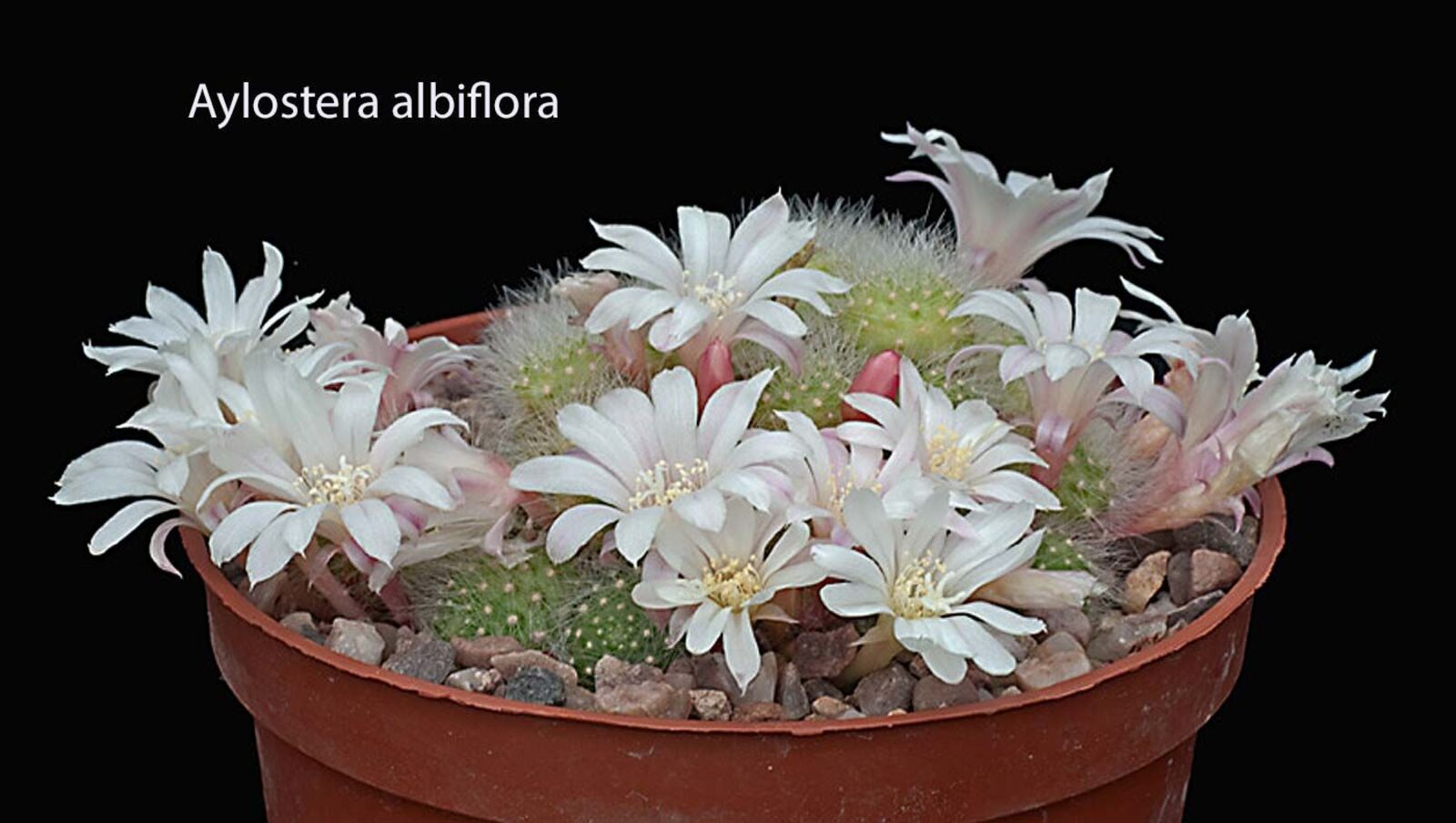
Aylostera albiflora
Aylostera albiflora (formerly Rebutia albiflora) is a small, heavily clustering cactus species within the family Cactaceae, widely admired for its profuse white to pale pink blossoms. Characterized by its miniature clustering habit, it forms dense mats of globose heads covered with fine, soft white spines .
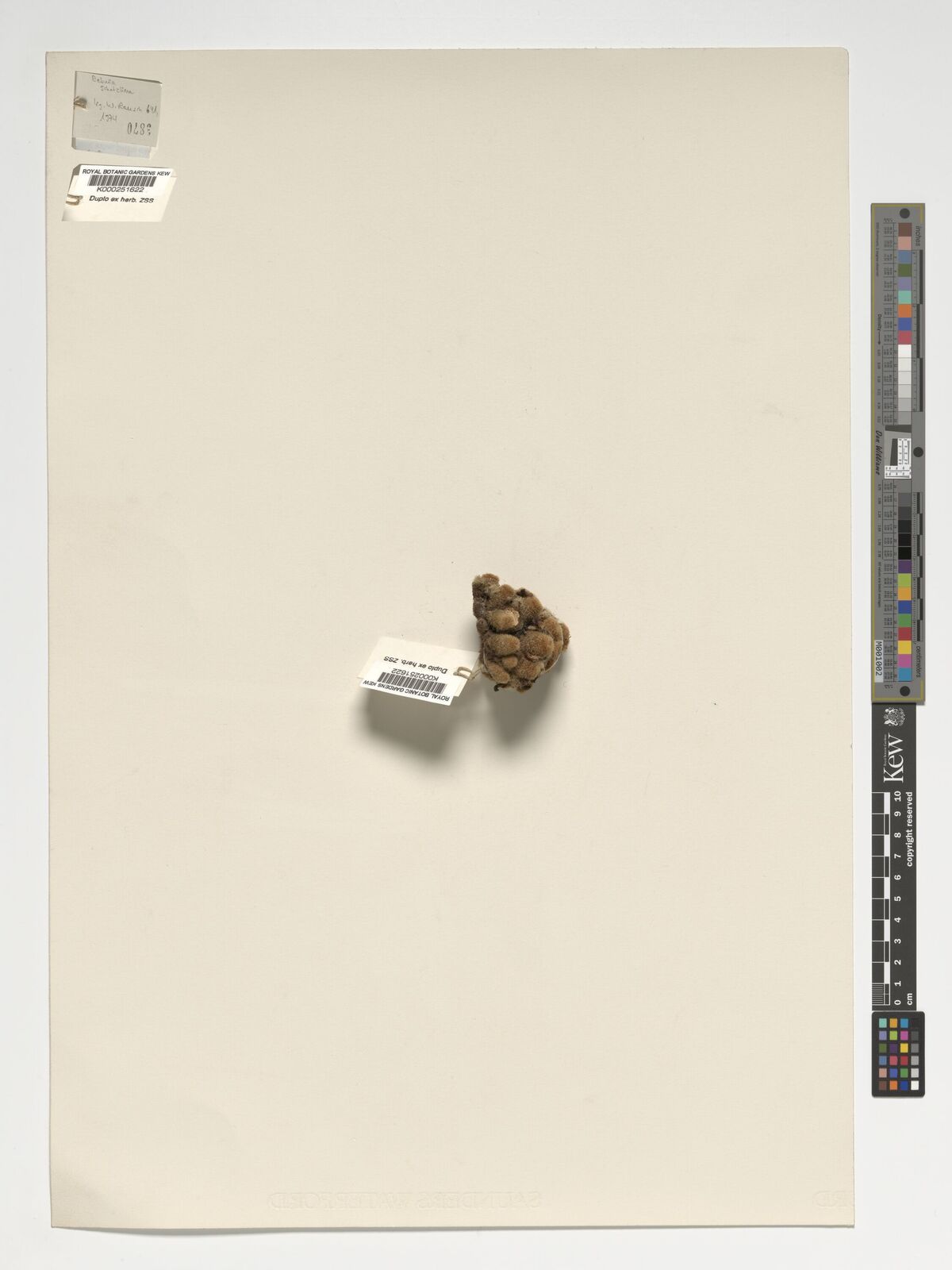
Aylostera albopectinata
Aylostera albopectinata is a miniature, perennial succulent subshrub belonging to the Cactaceae family. Highly appreciated by succulent collectors and beginners alike, this cactus is celebrated for its tight, silvery white spine pattern and spectacular, contrastingly bright blossoms .

Aylostera atrovirens
Aylostera atrovirens (synonym: Rebutia atrovirens ) is a small, clustering, succulent subshrub belonging to the Cactaceae family . Renowned among collectors for its prolific and vibrant floral display, this cactus is well adapted to surviving high altitude mountain environments.

Aylostera deminuta
Aylostera deminuta is a highly popular miniature cactus in the family Cactaceae. Famously known for its abundant red orange flowers and clumping habit, it is an excellent plant for small pots and indoor succulent collections.

Aylostera einsteinii
Aylostera einsteinii (synonym: Rebutia einsteinii) is a small, slow growing, clustering succulent subshrub in the Cactaceae family. Highly prized by succulent enthusiasts, it is famous for its striking yellow to orange spring blooms and neat, compact growth habit .
Aylostera fiebrigii
Aylostera fiebrigii is a small bodied Aylostera native to Bolivia to north western Argentina. A globose to short cylindrical body, areoles on distinct tubercles, variable radial and central spine arrangements, and orange to red flowers are evaluated together. Under Kew’s broad synonym concept, one spine colour or body form is not a reliable boundary. Unlike the taxonomy article, the botanical dictionary layer explains the living plant’s morphology, habitat context, and cultivation requirements rather than turning naming history into care instructions.

Aylostera flavistyla
Aylostera flavistyla (synonym: Rebutia flavistyla) is a small bodied, highly floriferous cactus species belonging to the Cactaceae family. Highly adapted to harsh conditions in its native environment, this plant is popular among succulent collectors for its ease of growth indoors.

Aylostera fusca
Aylostera fusca is a highly prized cactus among succulent enthusiasts, known for its compact growth habit, dark distinctive spines, and contrasting bright orange red blossoms. Its small size makes it an exceptional candidate for container gardening and indoor collections.
Aylostera heliosa
Aylostera heliosa is a small bodied Aylostera native to Bolivia. Small clustering bodies, fine appressed pectinate spines forming an orderly mesh over the surface, closely spaced areoles on the tubercles, and relatively large orange red flowers are evaluated together. Spine pattern alone does not prove provenance or an infraspecific name. Unlike the taxonomy article, the botanical dictionary layer explains the living plant’s morphology, habitat context, and cultivation requirements rather than turning naming history into care instructions.

Aylostera hoffmannii
Aylostera hoffmannii (synonym: Rebutia hoffmannii) is a small, highly decorative perennial succulent subshrub belonging to the family Cactaceae. Known for its compact clustering growth habit and brilliant orange red blooms, it is a prized species among cactus enthusiasts . It is well suited for indoor container cultivation due to its drought tolerance.
Aylostera juckeri
Aylostera juckeri (synonym: Rebutia juckeri) is a charming, small growing, and highly decorative succulent subshrub belonging to the Cactaceae family . It is highly prized by collectors for its clustering growth habit and its profusion of brilliant reddish orange blossoms.

Aylostera kupperiana
Aylostera kupperiana (formerly Rebutia kupperiana ) is a small growing, clustering succulent subshrub in the Cactaceae family. Highly appreciated by succulent enthusiasts, this species is renowned for its spectacular displays of bright reddish orange flowers and dense, protective spination.

Aylostera leucanthema
Overview\nAylostera leucanthema is a small bodied, clustering perennial succulent cactus belonging to the Cactaceae family . Highly valued by collectors, it is well known for its compact growth habit and beautiful summer blooms.\n\n Taxonomy and Naming\nOften classified under the synonym Rebutia leucanthema in historical databases, this species belongs to the genus Aylostera [1]. The epithet 'leucanthema' translates to 'white flowered', pointing to its distinct floral characteristics, although color variations exist .\n\n Distribution and Habitat\nThis cactus is native to Bolivia, thriving in high altitude rocky terrains and dry shrublands of Western South America . It is adapted to growing in mineral rich soil crevices on steep slopes exposed to high light.\n\n Appearance\nThe stems are globose to short cylindrical, dark green to purplish, covered with fine, pectinate, silver grey spines. In late spring, funnel shaped, vibrant flowers emerge from the lower parts of the stem.\n\n Cultivation\nIt thrives in bright, filtered sunlight with excellent air circulation. The potting medium must be highly porous. Water thoroughly only when the soil has dried out completely. During winter dormancy, keep the plant completely dry in a cool environment.\n\n Common Mistakes\nOverwatering during the winter rest is the primary cause of root rot and plant loss . Inadequate light exposure leads to etiolation, stretching the natural compact form.\n\n References\n Plants of the World Online (POWO), Royal Botanic Gardens, Kew.\n Global Biodiversity Information Facility (GBIF) Database.
Aylostera malochii
Aylostera malochii is a small sized, perennial, and clustering succulent subshrub belonging to the family Cactaceae. Highly prized among collectors, this species is renowned for its symmetrical globular structure and vibrant orange red blossoms .

Aylostera mamillosa
Aylostera mamillosa is a small, highly decorative succulent subshrub belonging to the family Cactaceae. Known for its compact growth and exceptionally vibrant flowers, it is a favored species among cactus enthusiasts worldwide . It adapts beautifully to container cultivation.
Aylostera mandingaensis
Aylostera mandingaensis is a small, perennial, clustering dwarf cactus belonging to the Cactaceae family. Highly adapted to survive in harsh desert and dry shrubland conditions, this succulent subshrub is highly valued by global collectors for its miniature growth habit and vibrant, prolific blossoms .
Aylostera muscula
Aylostera muscula is a small bodied Aylostera native to Tarija, Bolivia. Small offsetting bodies, numerous fine white soft looking spines that largely obscure the green epidermis, and bright orange flowers are evaluated together. A “white haired” appearance alone does not automatically turn A. albipilosa or broad A. fiebrigii usages into Muscula synonyms. Unlike the taxonomy article, the botanical dictionary layer explains the living plant’s morphology, habitat context, and cultivation requirements rather than turning naming history into care instructions.

Aylostera narvaecense
Aylostera narvaecense (synonym: Rebutia narvaecensis ) is a highly popular, small growing, and heavy flowering succulent subshrub belonging to the Cactaceae family, native to the high altitude regions of Bolivia . Renowned for its prolific pink blooms and clustering habit, it is a favored species among cactus enthusiasts and indoor growers worldwide.

Aylostera nigricans
Aylostera nigricans (formerly known as Rebutia nigricans ) is a highly sought after miniature cactus in the Cactaceae family. Celebrated for its globular stems, dark contrasting spines, and vibrant fiery colored flowers, it is exceptionally well suited for container culture .
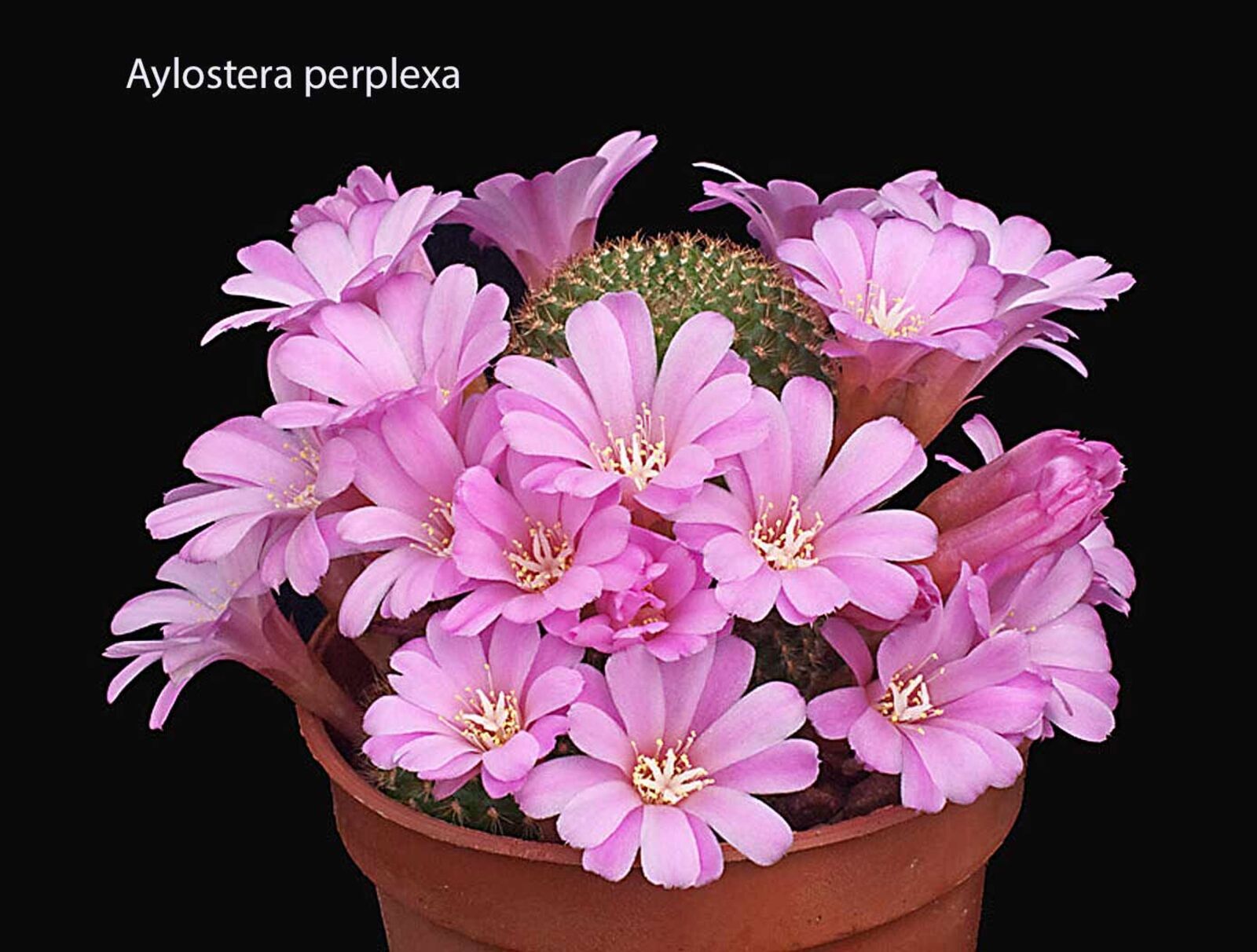
Aylostera perplexa
Aylostera perplexa is a highly popular, clump forming succulent subshrub belonging to the Cactaceae family. It is widely treasured among collectors for its miniature growth habit and prolific display of vibrant pink purple flowers.

Aylostera pseudominuscula
Aylostera pseudominuscula (often classified under the synonym Rebutia pseudominuscula ) is a diminutive, highly attractive globose cactus species from the family Cactaceae. Celebrated for its prolific, brilliant red flowers and compact clustering growth habit, it is a prized specimen for indoor succulent collections.
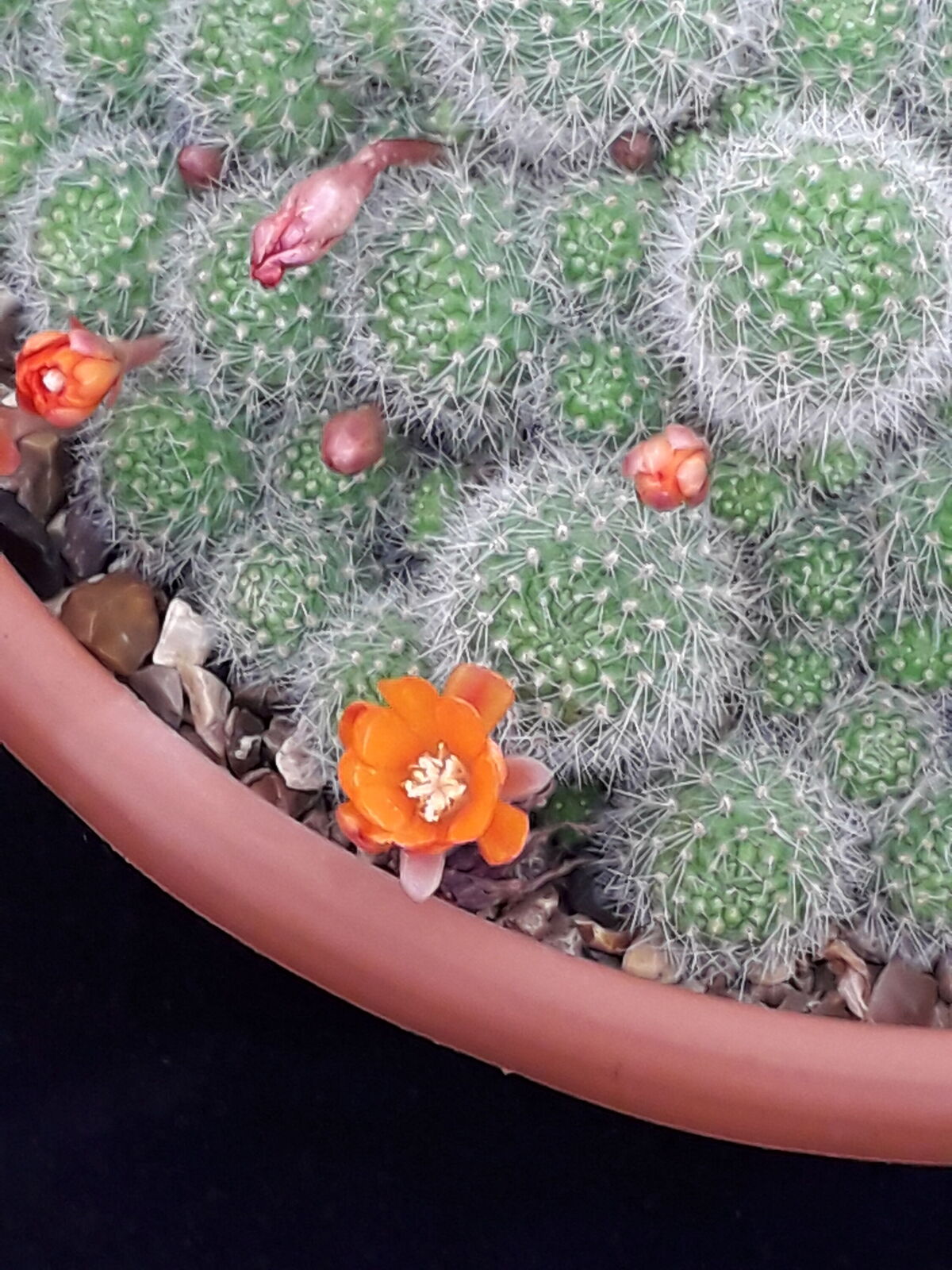
Aylostera pulvinosa
Aylostera pulvinosa (formerly known as Rebutia pulvinosa ) is a small, clustering succulent cactus in the family Cactaceae . Highly appreciated by collectors, it is well known for its prolific clustering habit, forming dense, cushion like mounds adorned with vibrant flowers.
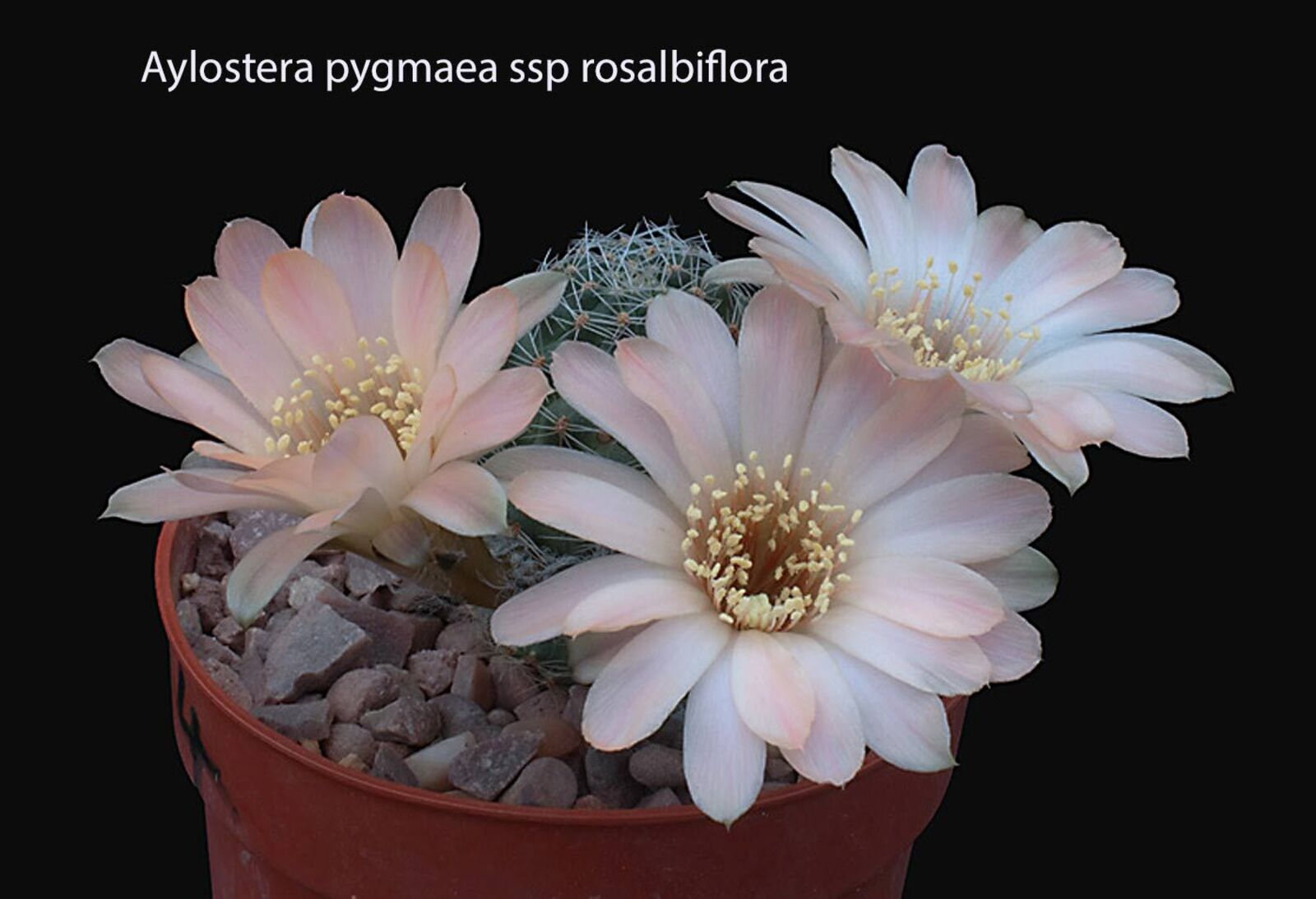
Aylostera pygmaea
Aylostera pygmaea is a miniature, perennial succulent subshrub belonging to the family Cactaceae. Highly favored by succulent enthusiasts, this species is renowned for its remarkable drought tolerance and its ability to produce abundant, vibrant flowers even at a very young age .

Aylostera spinosissima
Aylostera spinosissima is a small bodied, densely spined succulent subshrub belonging to the family Cactaceae. Highly prized by collectors, it is well known for its abundant brilliant flowers and extremely dense, protective spine cover.
