
Light
Bright Indirect Light
Requires abundant bright, indirect sunlight; protect from harsh, scorching afternoon summer sun.
 Reference image
 Reference image
Einstein's Rebutia
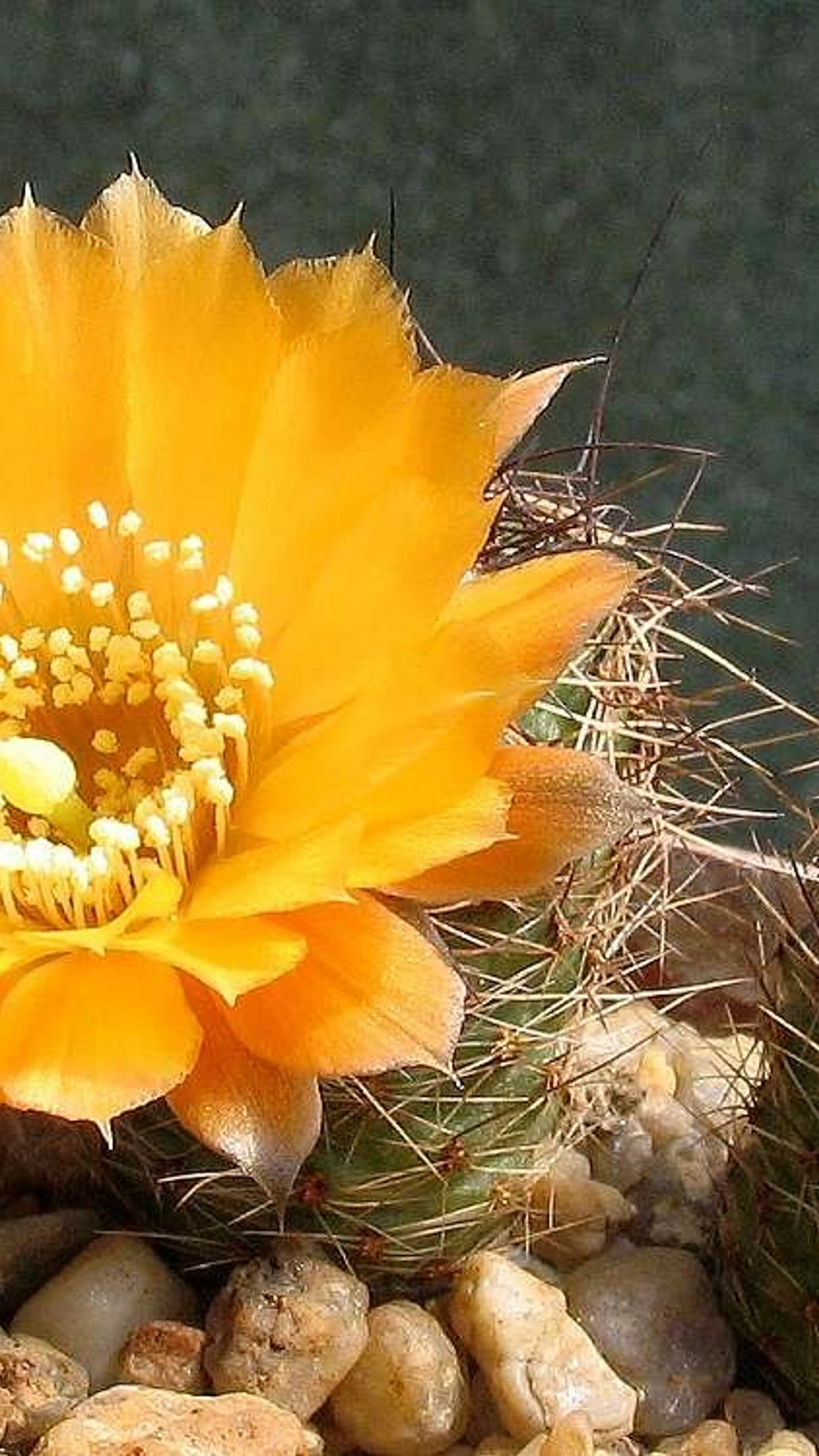
Aylostera einsteinii (synonym: Rebutia einsteinii) is a small, slow-growing, clustering succulent subshrub in the Cactaceae family. Highly prized by succulent enthusiasts, it is famous for its striking yellow-to-orange spring blooms and neat, compact growth habit 1.
Named in honor of the physicist Albert Einstein, this species has historically been classified under Rebutia and Lobivia. Modern phylogenetic analyses have reinstated Aylostera as a distinct genus, placing this high-altitude specialist within it 2.
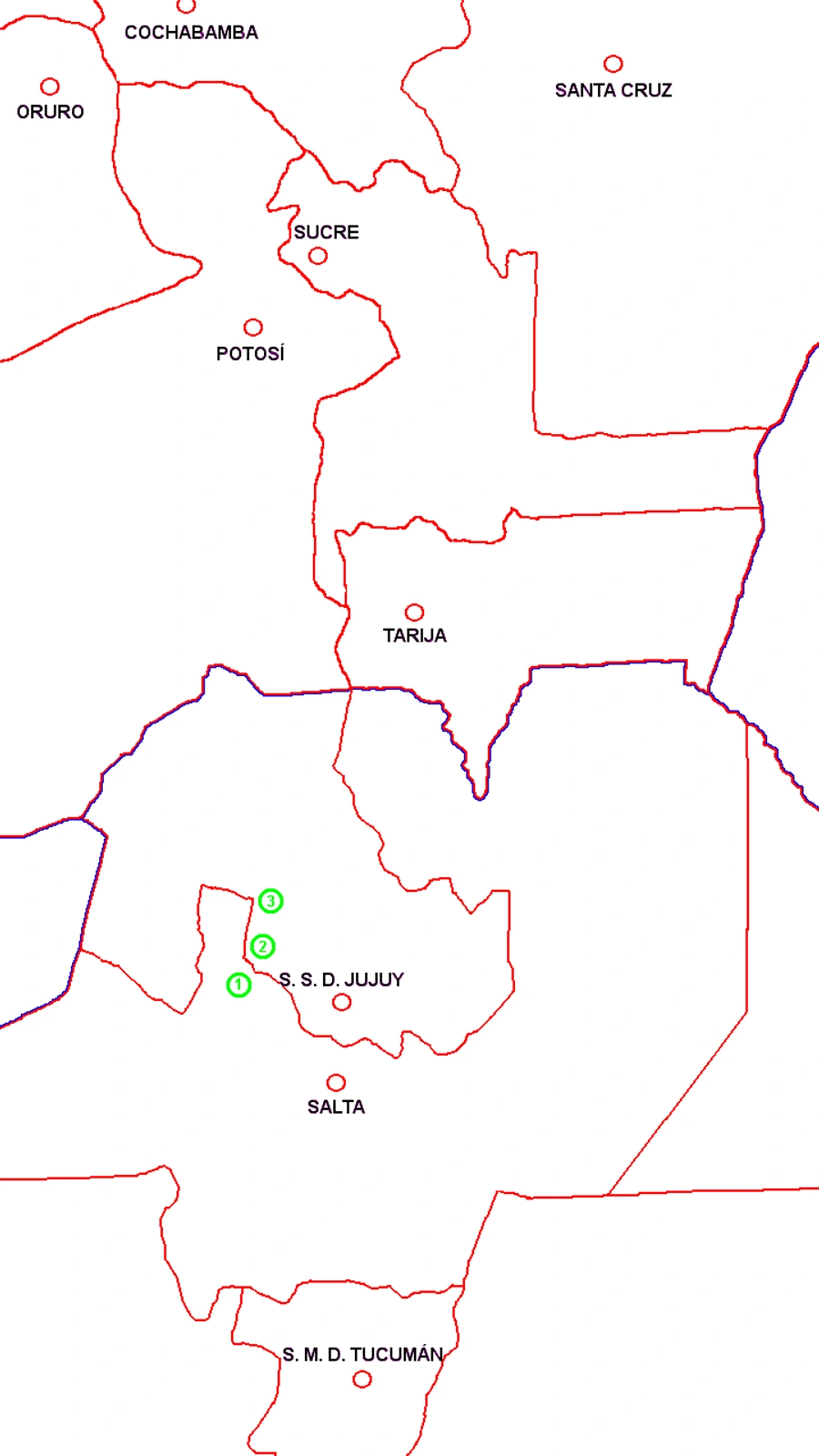
Native to southern South America, this species occurs in northwestern Argentina (provinces of Jujuy, Salta) and Bolivia. It thrives in high-altitude desert or dry shrublands, often nestled in rock crevices and steep gravelly slopes at elevations of 3,000 to 4,000 meters above sea level 1.
The stems are cylindrical to globose, dark green to purplish-brown, forming small dense clumps over time. Ribs are spiraled and divided into small tubercles bearing short, pectinate (comb-like) spines. In spring, brilliant funnel-shaped flowers of golden-yellow or deep orange emerge from the lower part of the stem 2.
Aylostera einsteinii requires a very porous, mineral-rich gritty potting medium. Water moderately during the active growing season, always allowing the soil to dry out completely. During winter, it must be kept entirely dry and cool to stimulate the next season's flower buds and prevent rot.
Overwatering and poor soil drainage are the primary causes of root rot in this species. Keeping the soil moist during its winter dormancy or providing inadequate sunlight leads to etiolation (stretching) and failure to produce its signature vibrant blooms 1.
Requires abundant bright, indirect sunlight; protect from harsh, scorching afternoon summer sun.
Allow soil to dry out completely between waterings; keep absolutely dry throughout the winter.
Thrives in a highly porous, gritty mineral mix containing pumice, perlite, and coarse sand.
Non-toxic to pets, but has fine spines that can cause mild physical irritation if handled roughly.
Moderate difficulty; requires strict watering discipline and a cold, dry winter rest.
Found in the high-elevation Andean regions of northwestern Argentina and neighboring Bolivia, growing in rocky crevices and dry shrublands.
