
Light
Bright Indirect Light
Prefers bright, indirect sunlight; protect from intense midday sun.
 Reference image
 Reference image
Yellow-style Aylostera
Aylostera flavistyla (synonym: Rebutia flavistyla) is a small-bodied, highly floriferous cactus species belonging to the Cactaceae family. Highly adapted to harsh conditions in its native environment, this plant is popular among succulent collectors for its ease of growth indoors.
This species was originally classified under the genus Rebutia but has been moved to Aylostera based on modern phylogenetic studies 1. The specific epithet 'flavistyla' refers to the characteristic yellowish style located at the center of its beautiful blossoms.
Aylostera flavistyla is endemic to the mountainous regions of Bolivia, specifically within the Tarija department 2. It grows naturally at elevations of 1500 to 2500 meters above sea level, nestled in rocky crevices and semi-shaded spots among dry scrub vegetation.
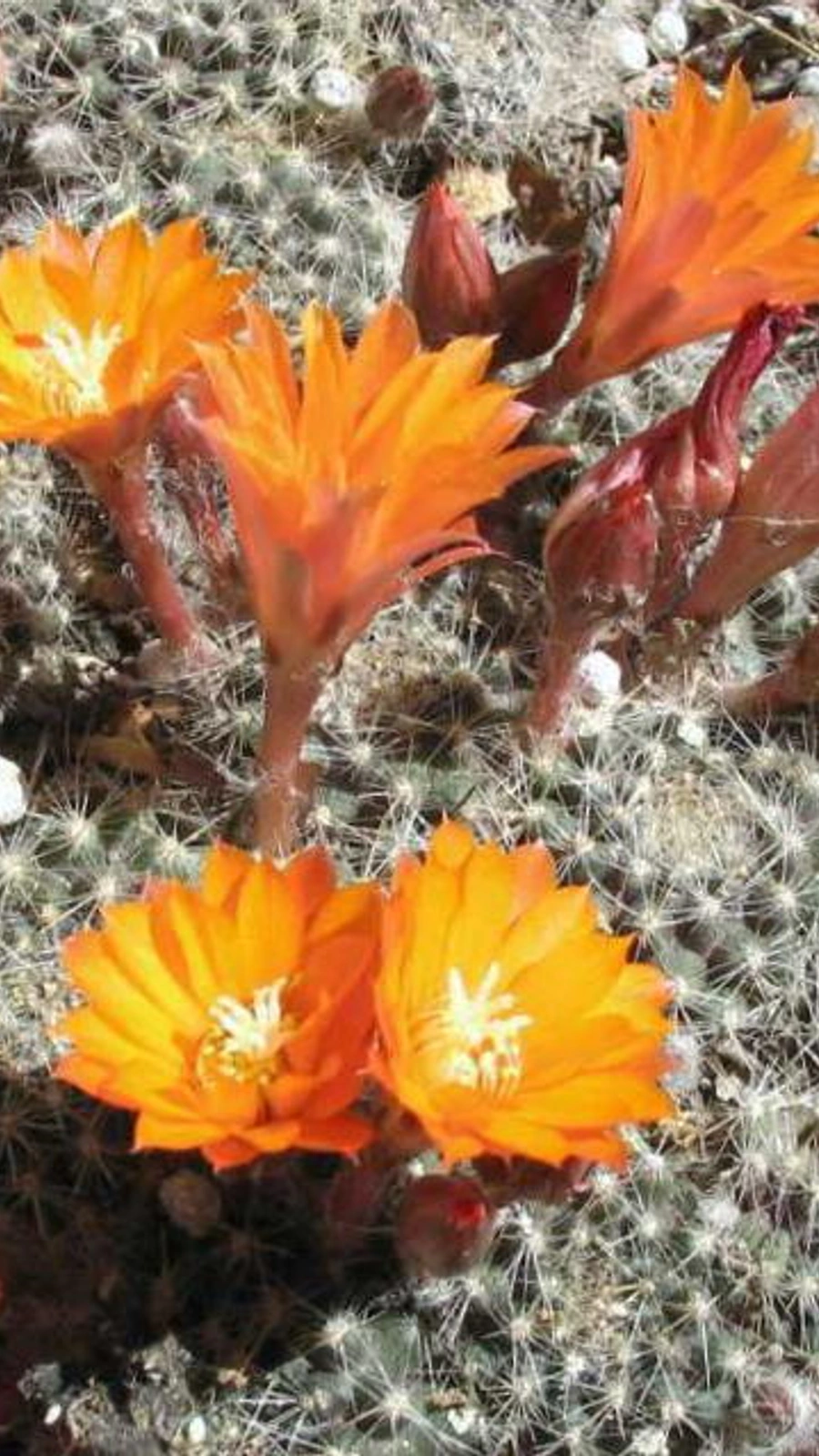
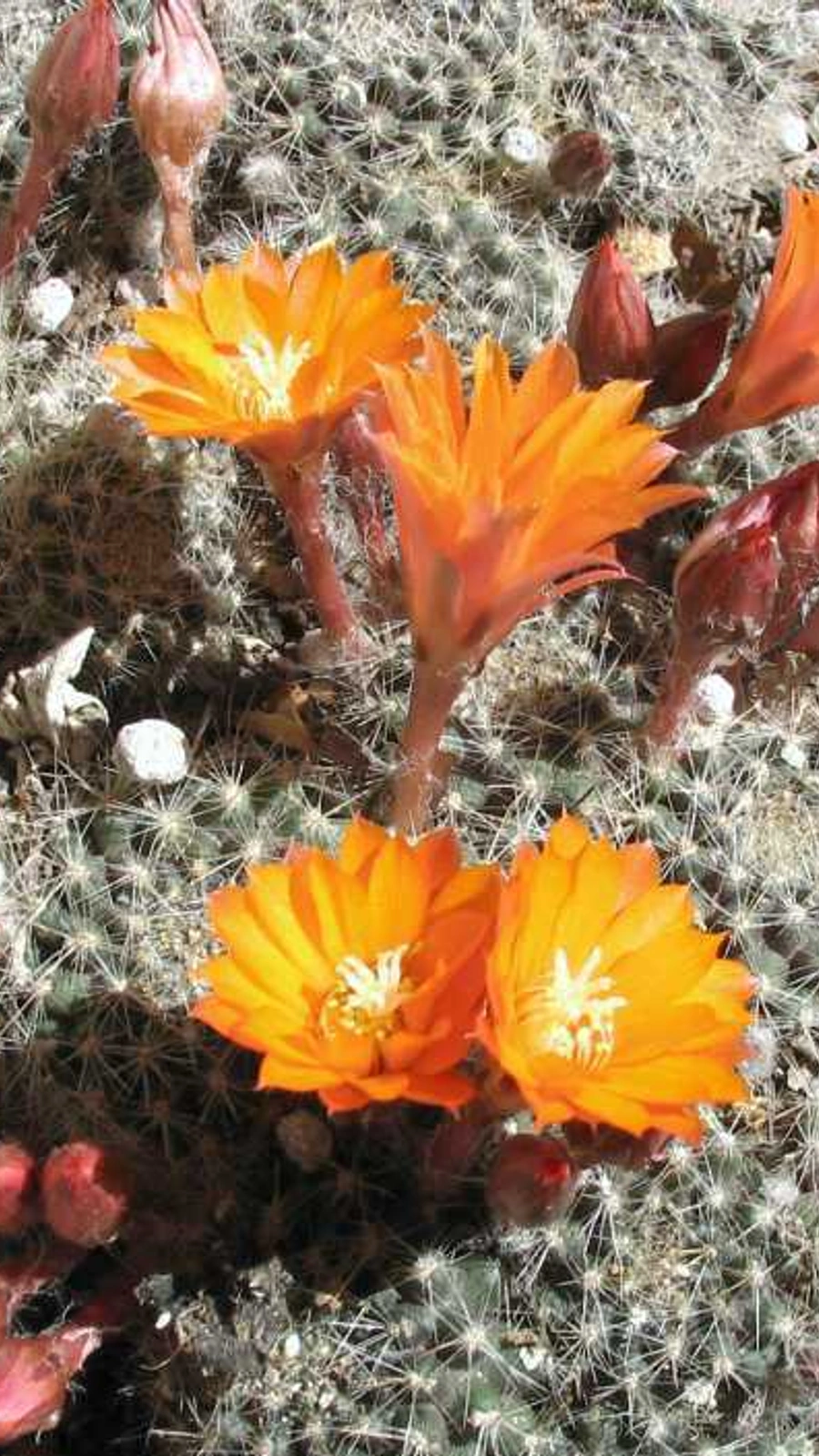
The stem is globose to shortly cylindrical, clustering freely from the base over time to form small mounds. The body color is a pale green, covered in numerous small areoles bearing fine, whitish to grayish spines. Its most striking feature is the bright orange-red, funnel-shaped flowers that appear in spring and summer, displaying a prominent yellow style at their centers.
This species thrives in bright, filtered sunlight and requires protection from harsh midday sun. A well-drained, porous cactus substrate containing pumice and coarse sand is essential. Water thoroughly during the growing season only when the soil is dry, and keep almost completely dry in winter.
The most frequent mistake is overwatering during the winter dormancy period, which rapidly triggers root rot. Insufficient light can also cause etiolation, where the cactus stretches and loses its compact shape.
Prefers bright, indirect sunlight; protect from intense midday sun.
Allow soil to dry out fully between waterings; suspend watering in winter.
Highly porous cactus soil enriched with pumice, perlite, and coarse sand.
Non-toxic, but features fine spines that can cause irritation; handle with care.
Very easy to care for, making it ideal for beginners.
Native to the high-elevation rocky slopes of Tarija, Bolivia, where it grows in dry shrublands under semi-shaded rock crevices.
