
Light
Bright Indirect Light
Prefers bright, indirect sunlight or filtered sun; protect from harsh afternoon rays.
 Reference image
 Reference image
Dusky Aylostera
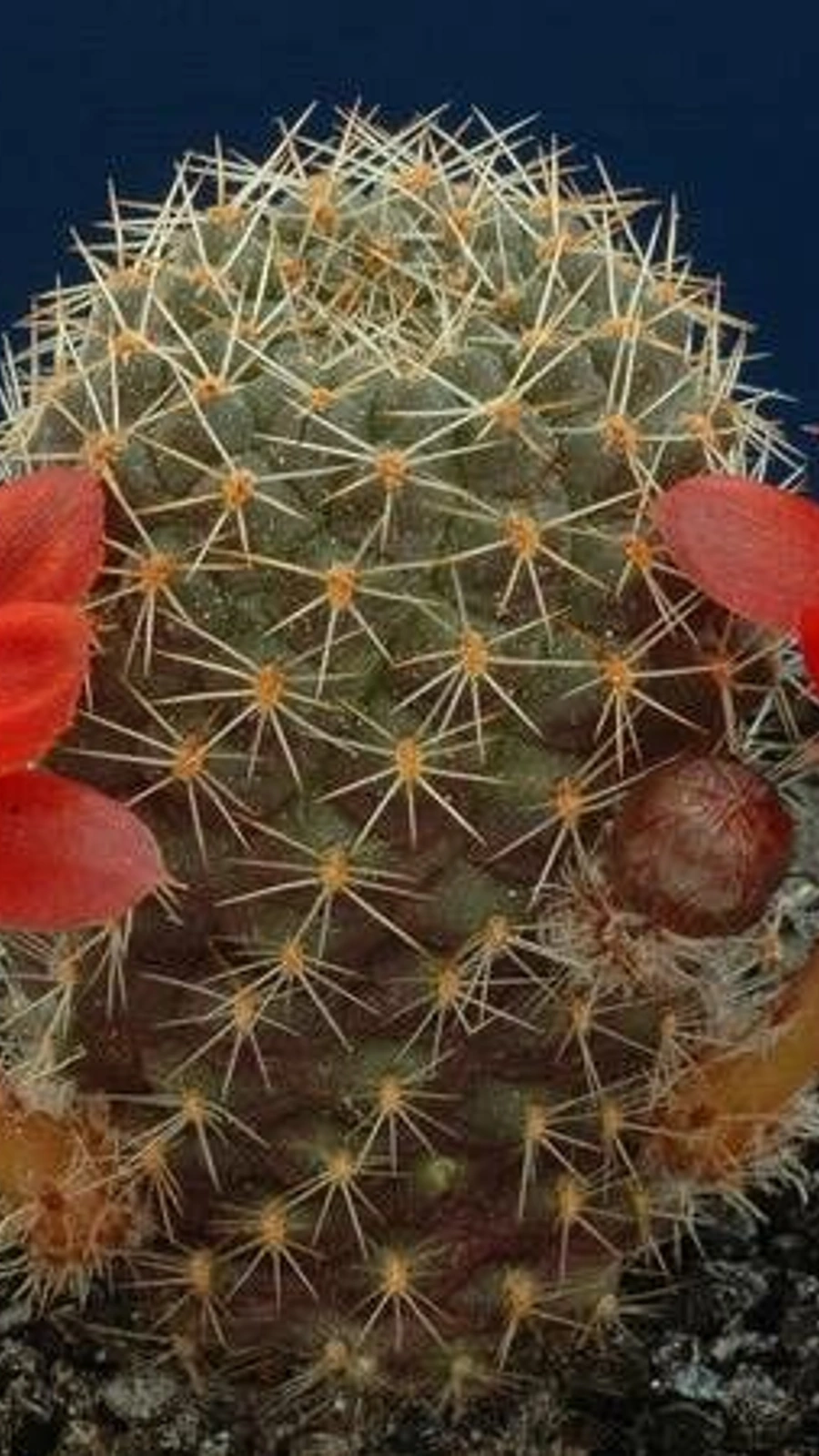
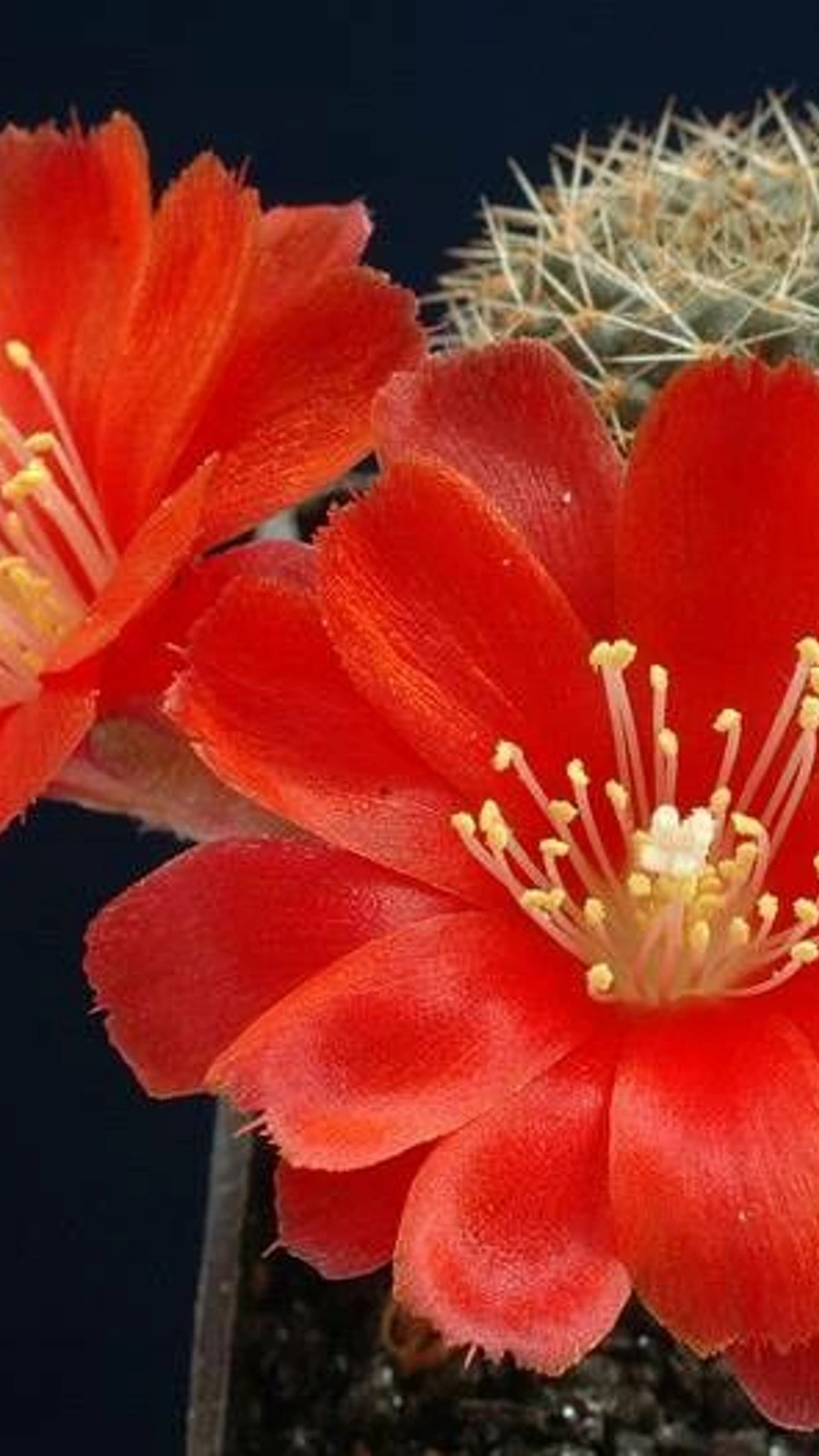
Aylostera fusca is a highly prized cactus among succulent enthusiasts, known for its compact growth habit, dark distinctive spines, and contrasting bright orange-red blossoms. Its small size makes it an exceptional candidate for container gardening and indoor collections.
Belonging to the Cactaceae family, this species was historically categorized under the genus Rebutia, but contemporary molecular and morphological studies place it firmly within the Aylostera genus 1. The specific epithet 'fusca' is derived from Latin, meaning 'dark' or 'dusky', referencing the characteristic dark brown to blackish spines that cover its stems 2.
Aylostera fusca is endemic to the high-altitude regions of Bolivia in South America 1. It thrives in arid shrublands and rocky slopes, usually at elevations between 2000 and 3000 meters above sea level 2. Growing in rocky crevices with minimal organic soil, it has adapted to withstand intense daytime sun and dramatic temperature drops at night.
The plant features globose to shortly cylindrical, dark green stems that readily offsets from the base to form dense, low-growing mounds. Areoles bear numerous fine, stiff, dark brown to blackish spines. In late spring and early summer, beautiful funnel-shaped flowers in vibrant shades of orange and red emerge from the lower parts of the stem.
In cultivation, Aylostera fusca requires plenty of bright, indirect light to maintain its compact shape and intense spine coloration. The watering regime should follow the soak-and-dry method during spring and summer. A cool, dry winter dormancy is essential to trigger the development of flower buds in the subsequent spring.
The most prevalent issue is overwatering, especially in heavy soils or during the winter rest period, which easily leads to root rot. Insufficient light is another common mistake, causing the plant to stretch abnormally (etiolation), weakening its structure and reducing its flowering potential.
Prefers bright, indirect sunlight or filtered sun; protect from harsh afternoon rays.
Allow soil to dry out completely between waterings; keep completely dry in winter.
Requires highly porous, grit-rich mineral soil mix for excellent drainage.
Non-toxic to pets, but has sharp spines that can cause mechanical injury if handled carelessly.
Very easy to care for, provided the soil drains perfectly and winter watering is avoided.
Originates from the high-altitude rocky terrains and dry shrublands of the Bolivian Andes, adapting well to severe diurnal temperature fluctuations and poor mineral soils.
