
Light
Bright Indirect Light
Thrives in bright, indirect light or filtered sun. Protect from intense afternoon summer sun.
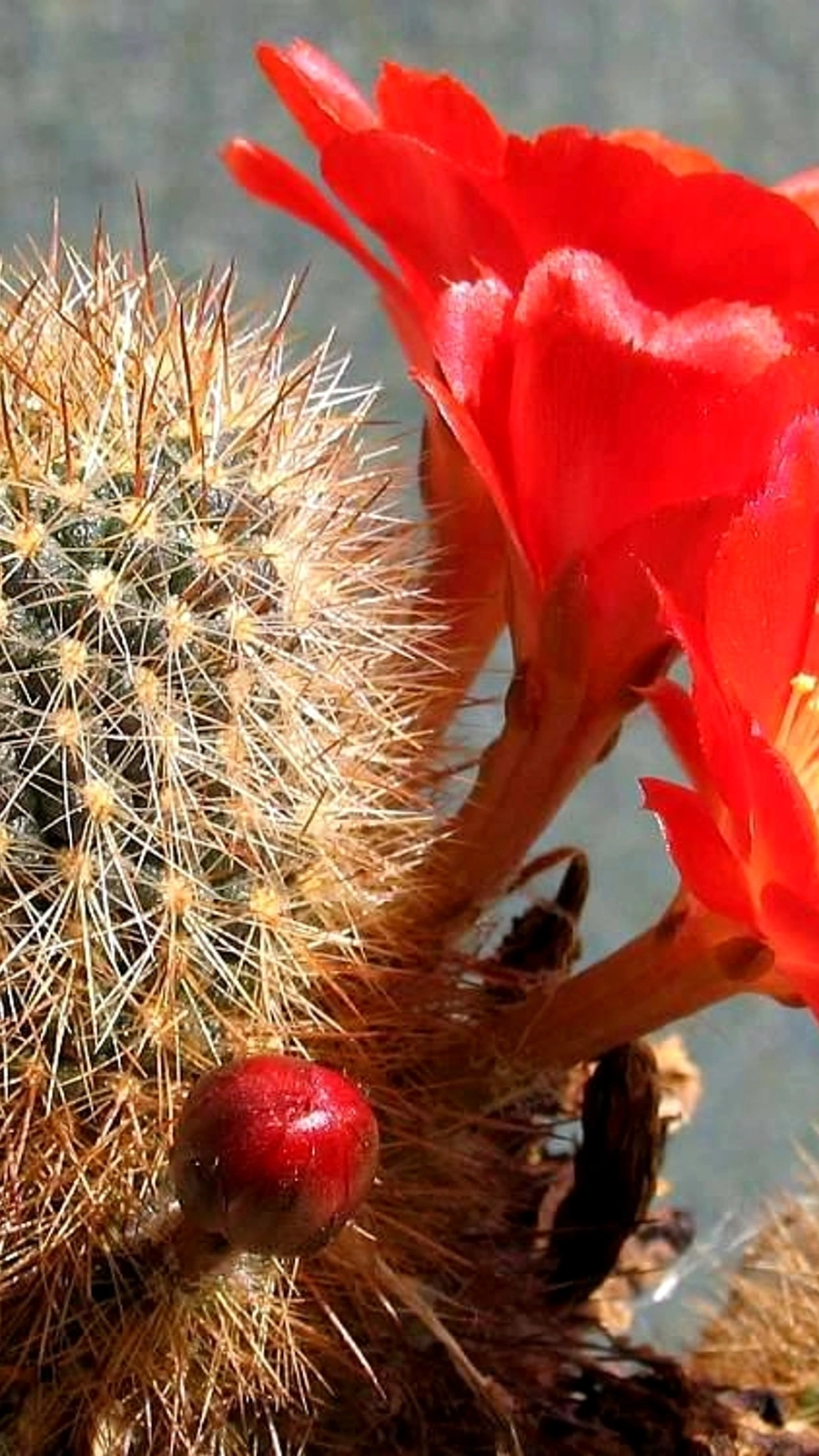 Reference image
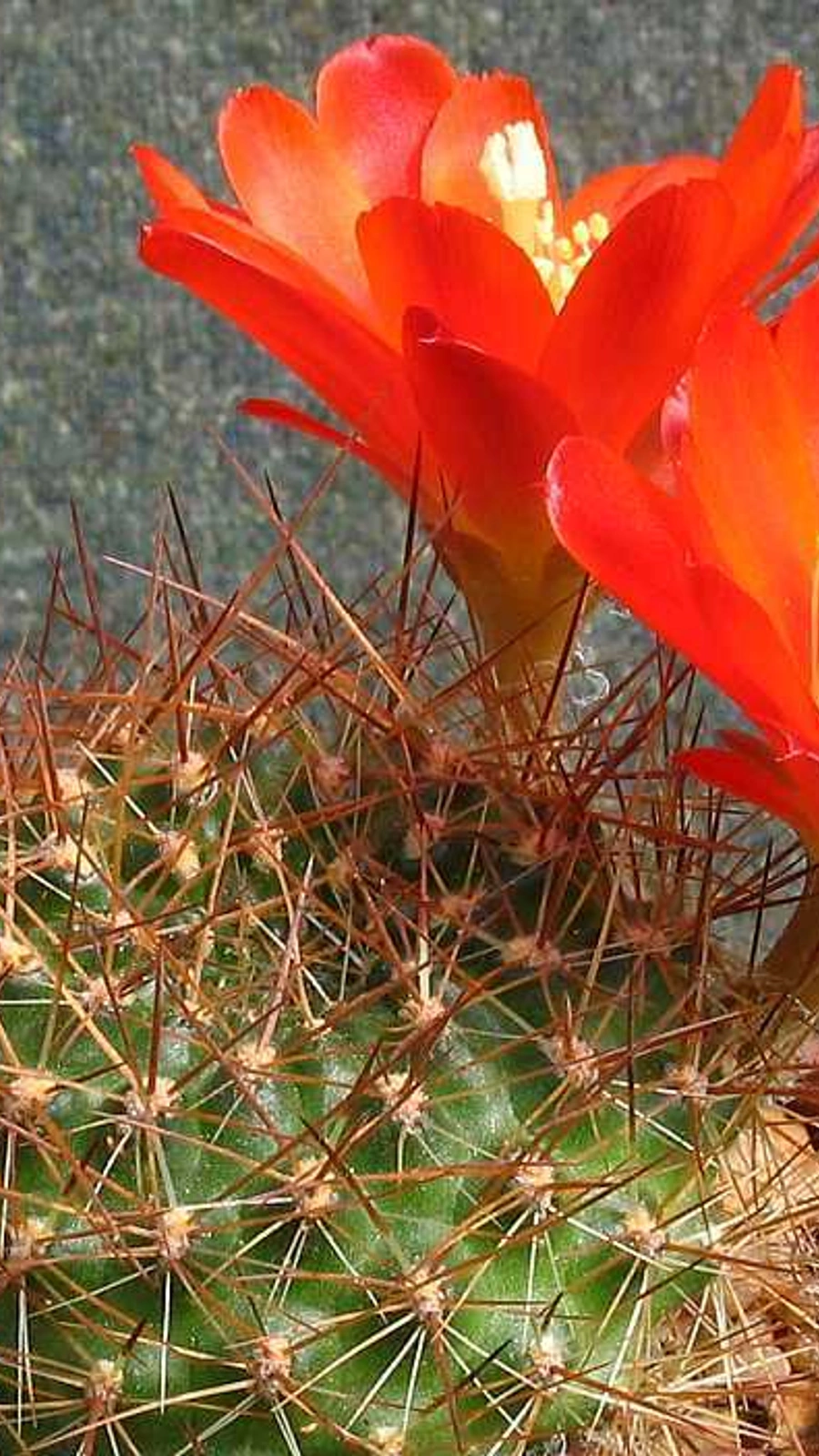 Reference image
Kupper's Aylostera
Aylostera kupperiana (formerly Rebutia kupperiana) is a small-growing, clustering succulent subshrub in the Cactaceae family. Highly appreciated by succulent enthusiasts, this species is renowned for its spectacular displays of bright reddish-orange flowers and dense, protective spination.
Originally described by Friedrich Ritter, this species resided within the genus Rebutia for a long time. However, modern phylogenetic studies and morphological traits, such as the hairy floral tubes and distinct seed morphology, led to its placement in the resurrected genus Aylostera 1. The specific epithet 'kupperiana' honors the German botanist and cactus expert Walter Kupper 2.
This cactus is native to the high-altitude regions of southern Bolivia, particularly around Tarija in western South America. It thrives at elevations between 2000 and 3000 meters above sea level, growing in rocky crevices, gravelly slopes, and dry shrublands. In these habitats, it often grows sheltered under larger rocks or dry vegetation 2.
The stem is globose to shortly cylindrical, dark green or grayish-green, and clustering over time to form compact cushions. The ribs are resolved into small, spiraled tubercles. From the woolly areoles emerge numerous needle-like, reddish-brown to whitish spines. The showy, funnel-shaped flowers are fiery orange-red, about 3-4 cm in diameter, and emerge from the lower part of the stem.
In cultivation, Aylostera kupperiana is straightforward to grow. It requires bright, filtered sunlight, but should be protected from harsh midday sun. During the active growing season (spring and summer), water thoroughly only after the potting medium has dried out completely. In winter, the plant must be kept dry and cool to induce dormancy, which is essential for stimulating the next season's flower buds 1.
The most frequent issue is overwatering during winter dormancy, which quickly causes root rot. Placing the plant in low-light environments causes etiolation, leading to weak, elongated stems and sparse spination.
Thrives in bright, indirect light or filtered sun. Protect from intense afternoon summer sun.
Water thoroughly in spring/summer when soil is completely dry. Keep dry in winter.
Highly porous, mineral-rich substrate with pumice, lava rock, and coarse sand.
Non-toxic to pets, but has sharp spines that require careful handling.
Very easy if winter dormancy is respected and overwatering is strictly avoided.
Hails from the high-altitude rocky slopes and dry shrublands of Tarija, Bolivia, where it grows nestled among stones.
