
Light
Bright Indirect Light
Thrives in bright, indirect light; protect from scorching midday summer sun.
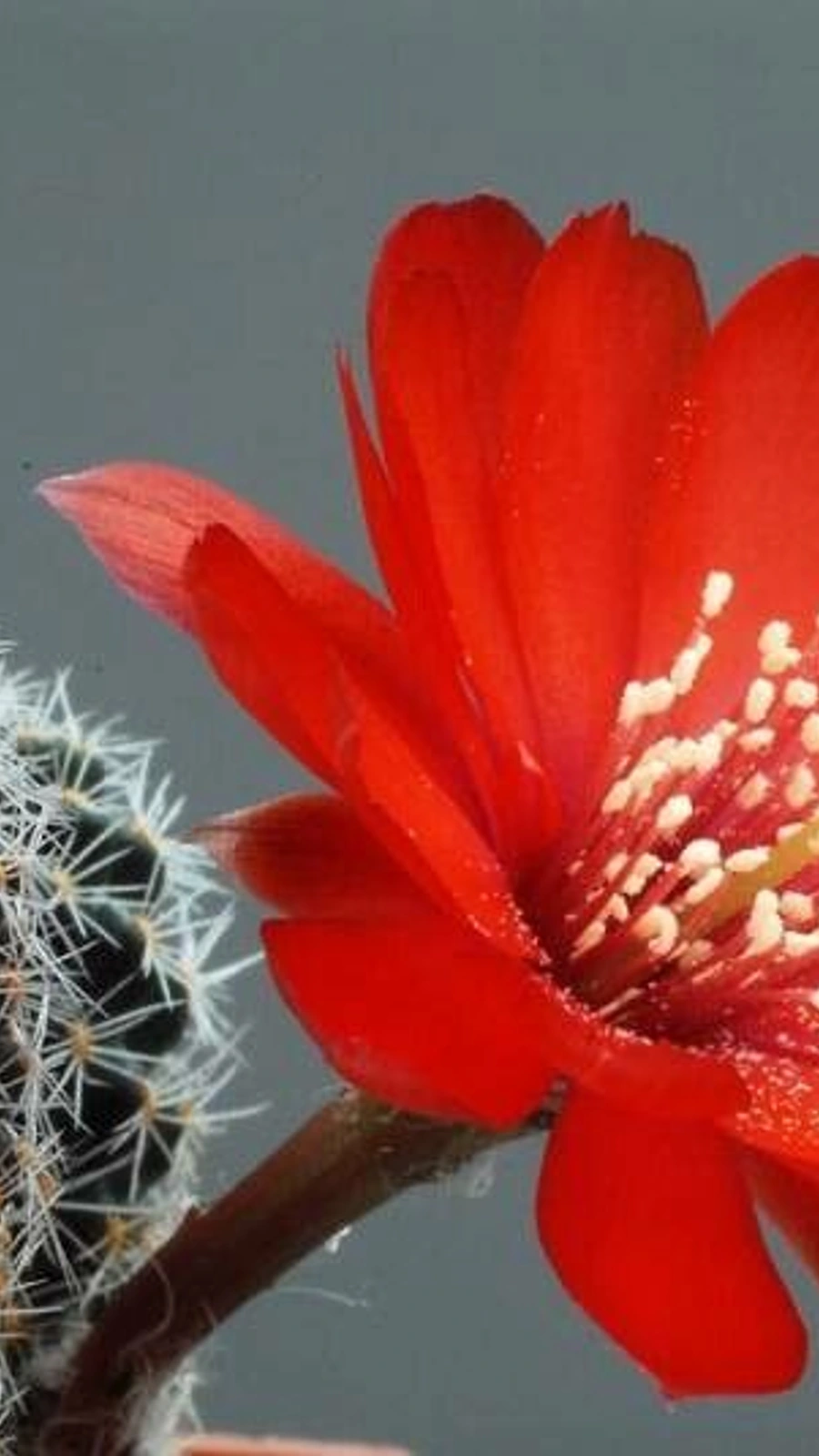 Reference image
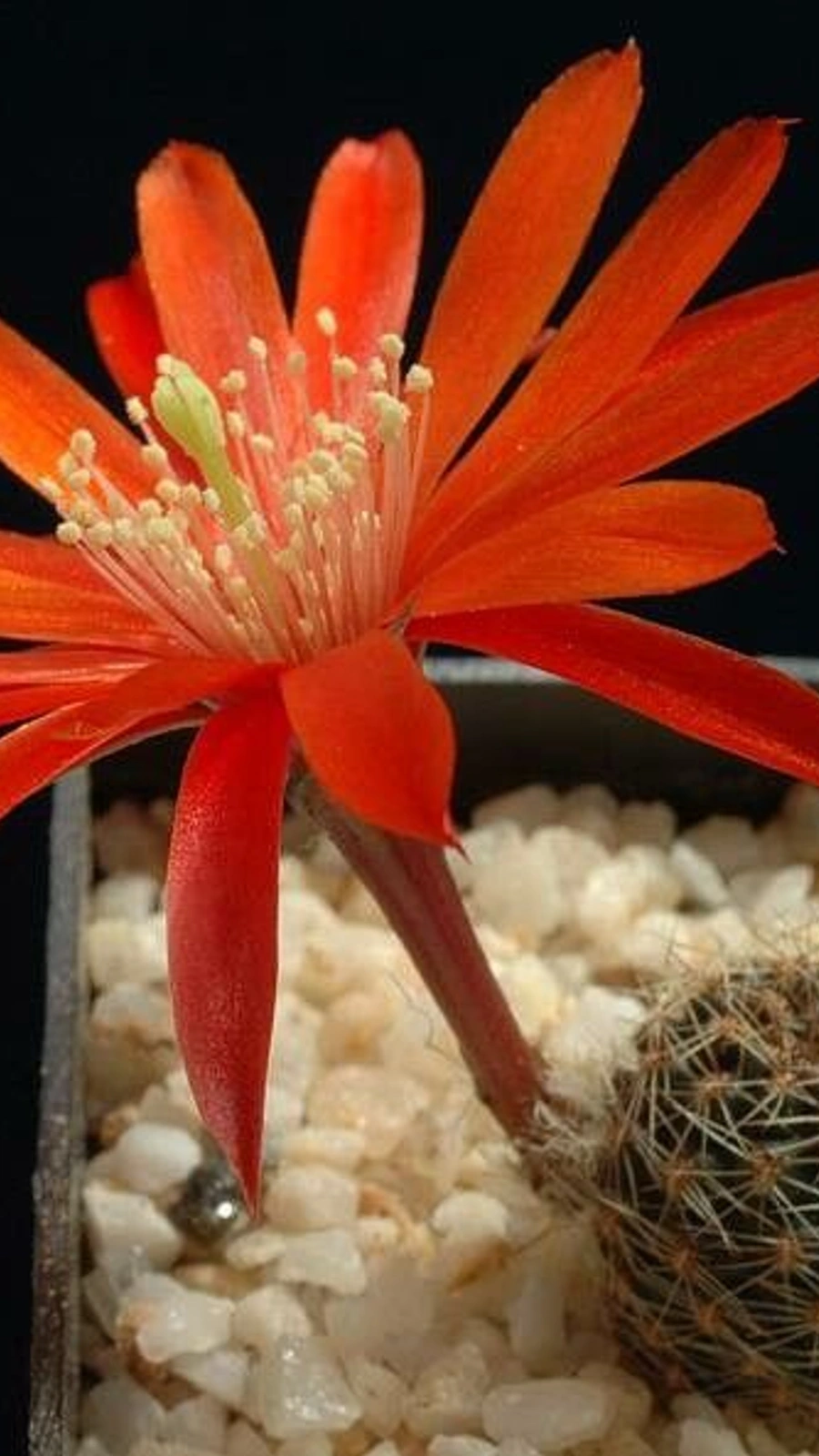 Reference image
Mamillosa Aylostera
Aylostera mamillosa is a small, highly decorative succulent subshrub belonging to the family Cactaceae. Known for its compact growth and exceptionally vibrant flowers, it is a favored species among cactus enthusiasts worldwide 1. It adapts beautifully to container cultivation.
Historically classified under the genus Rebutia, modern botanical consensus places this species within the genus Aylostera 2. The specific epithet 'mamillosa' refers to the prominent, nipple-like tubercles that cover the plant's stem.
This cactus is native to Bolivia in Western South America 1. It thrives in high-altitude desert and dry shrubland biomes, often growing in rocky crevices and gravelly soils where it receives partial shade from larger vegetation.
The stems are globose to shortly cylindrical, green, and densely covered with tubercles. Fine, radial spines emerge from the areoles, giving it a soft, bristly texture. In spring and summer, it produces stunning, funnel-shaped orange-to-red flowers near the base of the stems 2.
It requires bright, indirect sunlight and excellent ventilation. Watering should follow the 'soak and dry' method during the active growing season. During its winter dormancy, watering must be suspended almost entirely to prevent rot.
Overwatering is the primary cause of failure, quickly leading to root and stem rot. Insufficient light causes the stem to stretch unnaturally (etiolation) and diminishes its flowering potential.
Thrives in bright, indirect light; protect from scorching midday summer sun.
Allow the potting medium to dry out completely between waterings. Keep dry in winter.
Requires highly porous, gritty soil containing pumice, perlit, and coarse sand.
Non-toxic to pets, but features small, sharp spines that require careful handling.
Very easy to care for, provided it is not overwatered and is given winter rest.
Native to the rocky mountainous regions of Bolivia. It grows in gravelly clefts and dry shrublands, adapted to high diurnal temperature variations and low water availability.
