
Light
Bright Indirect Light
Requires bright, indirect sunlight or filtered sun to maintain its compact shape and prevent stretching.
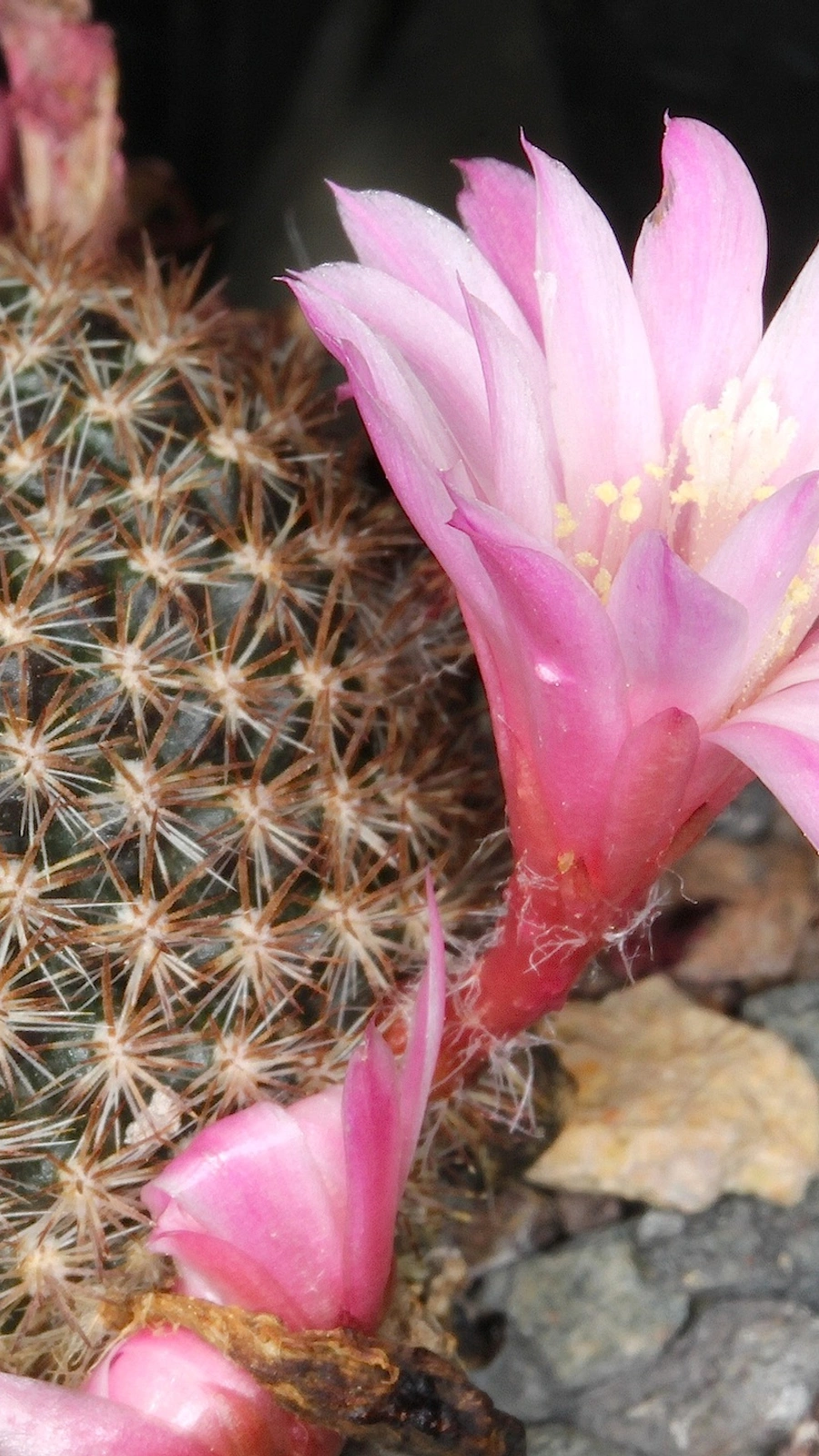 Reference image
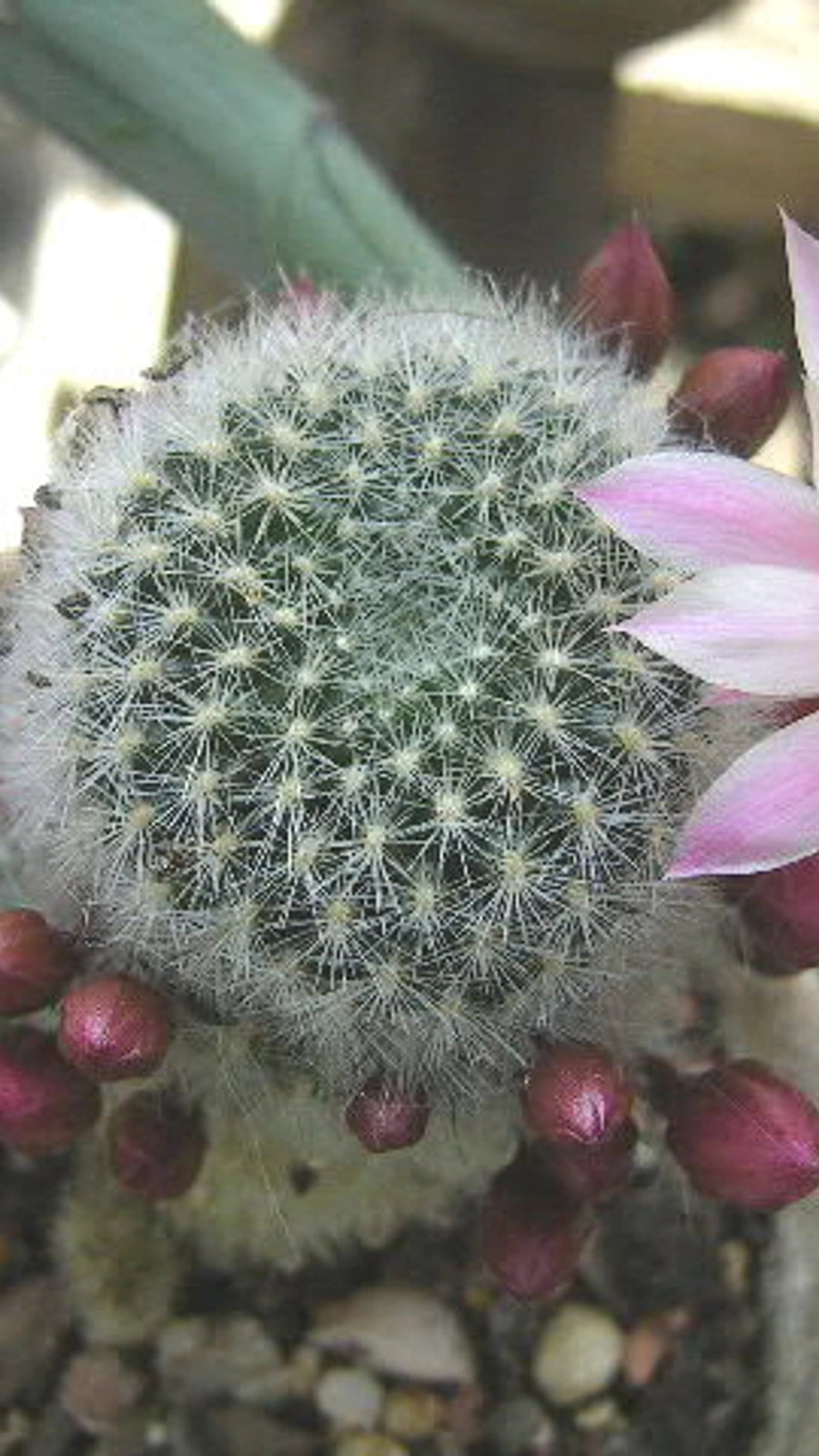 Reference image
Narvaez Aylostera
Aylostera narvaecense (synonym: Rebutia narvaecensis) is a highly popular, small-growing, and heavy-flowering succulent subshrub belonging to the Cactaceae family, native to the high-altitude regions of Bolivia 1. Renowned for its prolific pink blooms and clustering habit, it is a favored species among cactus enthusiasts and indoor growers worldwide.
Originally described under the genus Rebutia, comprehensive morphological and phylogenetic studies reclassified this species into the genus Aylostera 2. Aylostera is distinguished from Rebutia sensu stricto by its hairy floral tubes and distinct areole structures. The specific epithet narvaecense refers to the Narvaez region in Bolivia, where the species was first discovered.
This species is endemic to Bolivia, localized in the Tarija department around the Narvaez pass 1. It thrives on steep, rocky cliffs and dry shrublands at elevations between 2,400 and 2,700 meters above sea level. This mountainous alpine environment has adapted the plant to endure significant diurnal temperature fluctuations and light winter frosts.
The stems are cylindrical to globose, forming dense clusters over time by offsetting freely from the base. The epidermis is pale green to grayish-green, covered with numerous fine, whitish to soft pinkish spines that emerge from small areoles. In late spring, the plant produces a spectacular display of funnel-shaped, light pink to rose-colored flowers that arise from the lower part of the stem 2.
In cultivation, Aylostera narvaecense requires bright, indirect sunlight or filtered sun. While it enjoys morning sun, harsh afternoon rays in summer can scorch the stem. Watering should follow a 'soak and dry' method during the active growing season and be completely suspended during the winter.
The most prevalent error is using dense, water-retaining soils, which leads to root and stem rot 1. Keeping the plant warm and watered during winter prevents necessary dormancy, resulting in etiolation (stretched growth) and a complete lack of blooms in spring.
Requires bright, indirect sunlight or filtered sun to maintain its compact shape and prevent stretching.
Water thoroughly only when the soil is completely dry, and keep almost dry during winter dormancy.
Requires an open, fast-draining cactus mix with high mineral content like pumice, grit, and perlite.
Non-toxic to pets and humans, though fine, delicate spines require careful handling.
Very easy to care for, provided it receives dry winter dormancy and is never overwatered.
Native to the rocky cliffs and steep mountain slopes of the Narvaez pass in Tarija, Bolivia, growing at high altitudes of 2,400 to 2,700 meters.
