
Light
Bright Indirect Light
Requires bright, indirect sunlight or filtered sun; shield from intense midday summer sun.
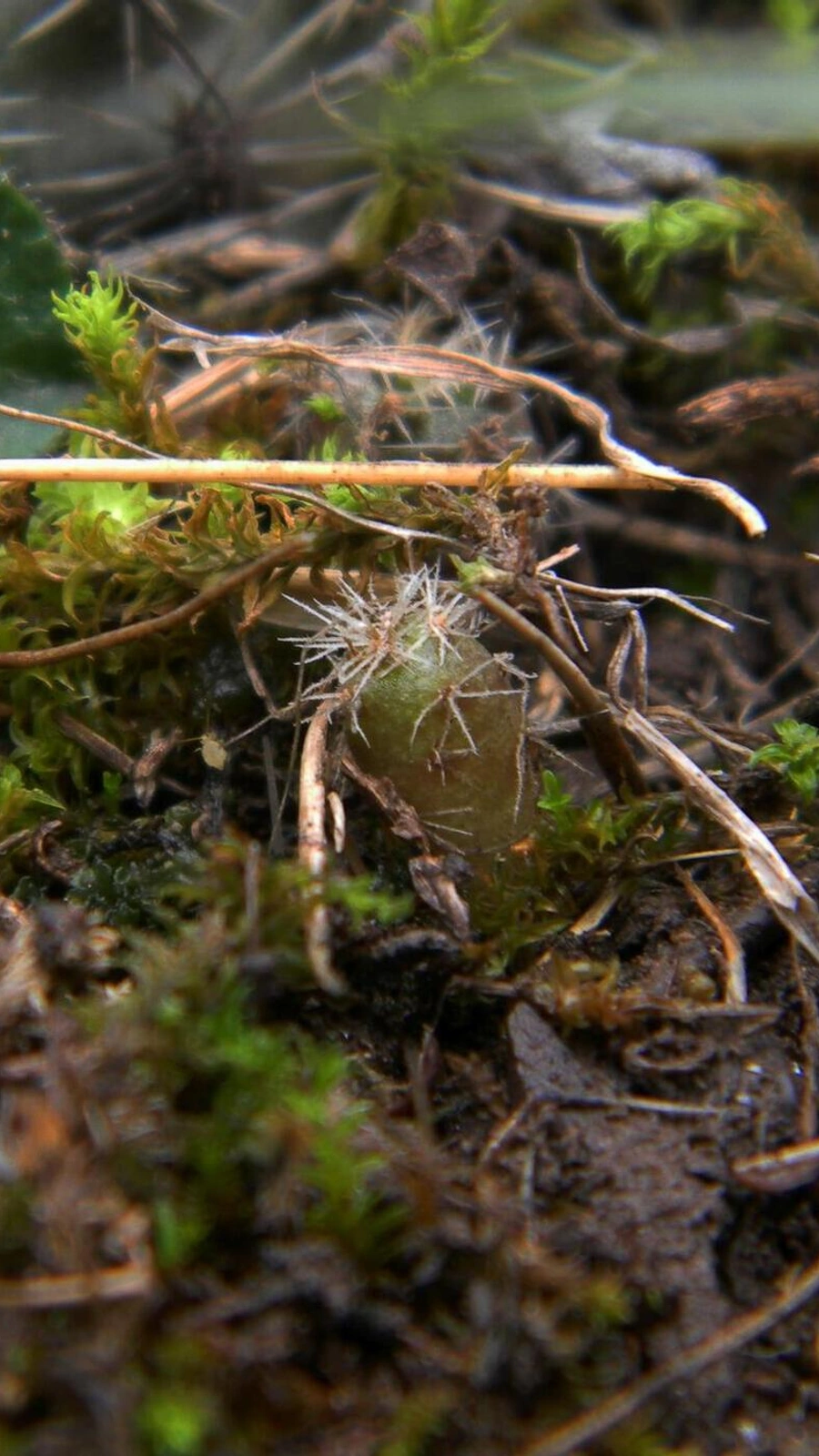 Reference image
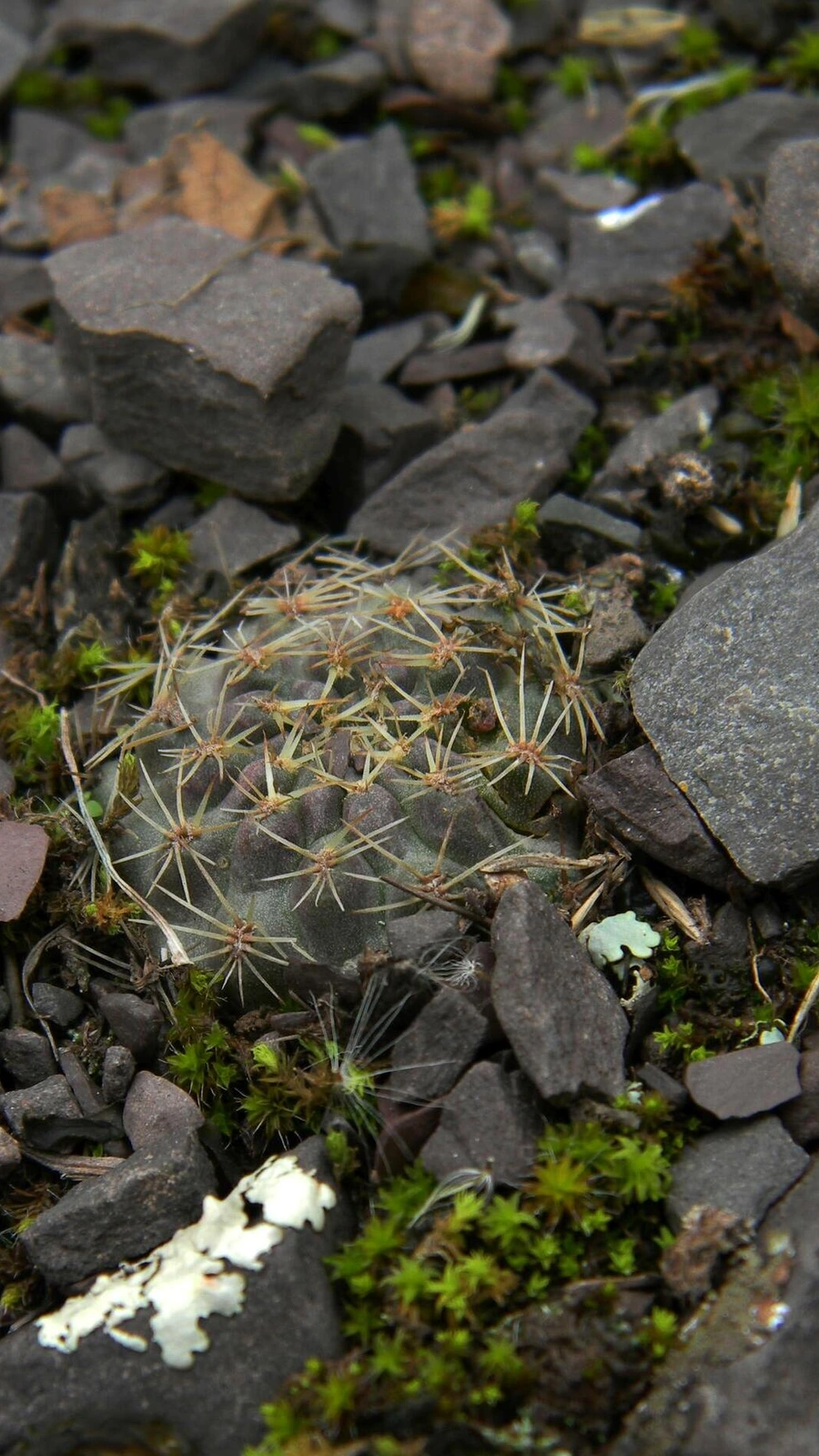 Reference image
Blackish Aylostera
Aylostera nigricans (formerly known as Rebutia nigricans) is a highly sought-after miniature cactus in the Cactaceae family. Celebrated for its globular stems, dark contrasting spines, and vibrant fiery-colored flowers, it is exceptionally well-suited for container culture 1.
Historically classified under the genus Rebutia, molecular and morphological studies have repositioned this species into Aylostera 2. The specific epithet 'nigricans' refers to the blackish or dark greyish hue of its spines and deep green-purple epidermis.
This species is native to the high-altitude regions of Northwest Argentina, specifically in provinces like Salta and Jujuy 1. Growing at elevations between 2,500 and 3,500 meters, it thrives in rocky crevices and gravelly soils under the protection of sparse desert scrub 3.
Aylostera nigricans is a clustering, succulent subshrub. Individual stems are globose, dark green to purplish, covered in small tubercles. The dark, comb-like radial spines lie close to the stem body. In late spring, a profusion of funnel-shaped orange-red flowers emerges from the lower parts of the stem.
It prefers bright, filtered sunlight with excellent ventilation. The potting medium must be highly porous. Water thoroughly during the active growing season only when the soil has dried out completely. A dry, cool winter rest is essential for promoting flower bud initiation 2.
Overwatering and poor drainage quickly lead to root rot. Insufficient light causes etiolation, where the plant loses its compact shape and fails to produce its signature vibrant blooms.
Requires bright, indirect sunlight or filtered sun; shield from intense midday summer sun.
Water thoroughly when the soil dry out, and keep completely dry during winter dormancy.
Use an extremely porous mineral mix consisting of pumice, perlite, and coarse sand.
Features sharp miniature spines but is non-toxic and safe for dogs and cats.
Very easy to care for, provided you do not overwater and allow a cool winter rest.
Inhabits high-altitude rocky slopes and semi-arid shrublands of Northwest Argentina, adapting to intense sun and cool nights.
