
Light
Bright Indirect Light
Prefers bright, filtered light. Protect from intense, direct afternoon sun during hot summer months.
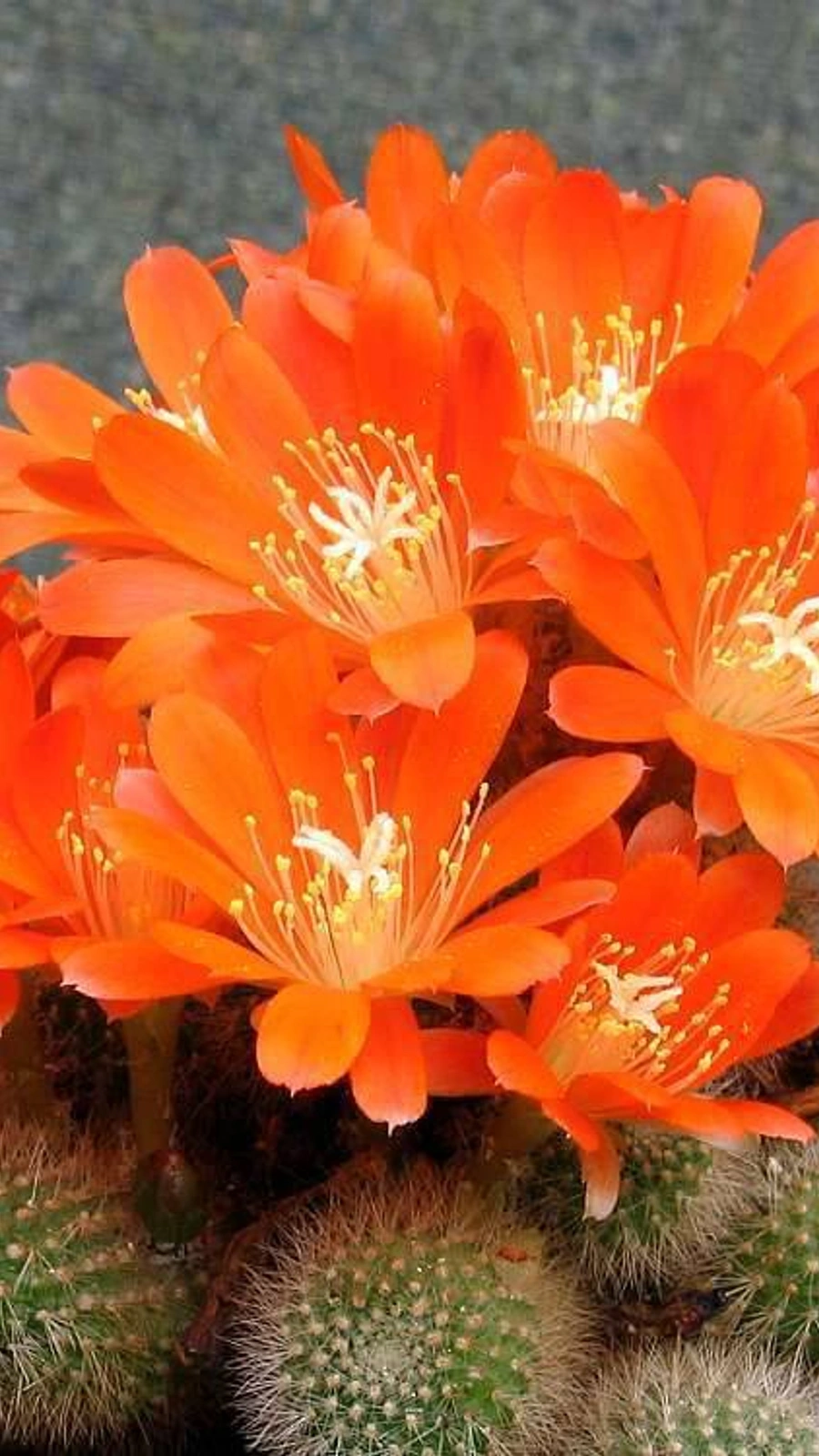 Reference image
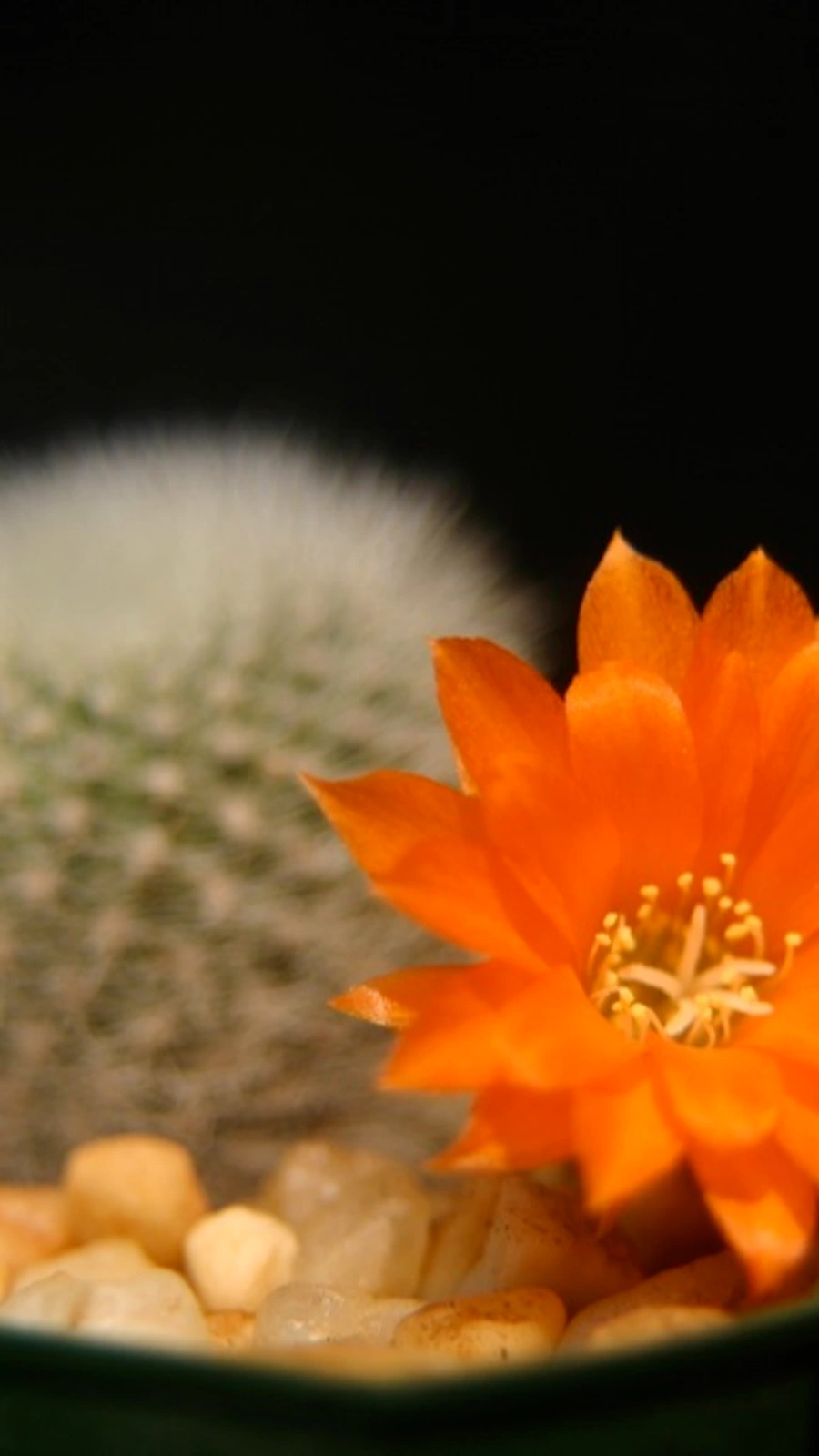 Reference image
Spiniest Aylostera
Aylostera spinosissima is a small-bodied, densely spined succulent subshrub belonging to the family Cactaceae. Highly prized by collectors, it is well-known for its abundant brilliant flowers and extremely dense, protective spine cover.
Historically classified under the genus Rebutia, contemporary taxonomic studies and phylogenetic analyses have reinstated it within the genus Aylostera 1. The specific epithet spinosissima translates from Latin as "most spiny," referencing the dense mesh of fine spines wrapping the stems.
This species is native to Western South America, specifically endemic to the mountainous regions of Bolivia 2. It thrives in high-altitude dry shrublands and rocky slopes, wedged into crevices where it endures harsh winds and intense light.
Its stems are globose to short-cylindrical, readily offsetting from the base to form tight clusters. The plant is cloaked in numerous fine, white to yellowish-white radial spines, creating a silvery look. In spring, spectacular funnel-shaped flowers in shades of vibrant orange or red emerge from the lower part of the stem.
In cultivation, it is highly suited for container gardening. It prefers bright, filtered sunlight rather than scorching direct summer rays. Extremely porous, mineral-heavy potting mixes are essential. Providing a cool, completely dry winter dormancy period is critical to trigger abundant spring blooms.
The most frequent issue is root rot triggered by overwatering and poorly draining soil 1. Keeping the cactus in a warm room during winter prevents proper dormancy, leading to leggy growth (etiolation) and a failure to flower in spring.
Prefers bright, filtered light. Protect from intense, direct afternoon sun during hot summer months.
Water only when the substrate is completely dry. Keep dry and cold throughout the winter season.
Use a highly inorganic grit mix containing pumice, sand, and very little peat or organic matter.
Non-toxic to pets, but the dense, sharp spines can cause physical injury; handle with care.
Very easy to care for, provided it receives a dry winter rest and excellent drainage.
Inhabits the high-altitude rocky slopes and dry shrublands of Bolivia, often found growing in tight crevices.
