
Light
Filtered Sun
Prefers bright, filtered sunlight. Protect from intense, direct afternoon sun during hot summer days.
 Reference image
 Reference image
Steinmann's Cactus
Aylostera steinmannii is a small, clustering, perennial succulent subshrub belonging to the Cactaceae family 1. It is highly prized in collections for its compact form and prolific, vibrant blooms.
Originally described under the genus Rebutia, modern phylogenetic and morphological studies place this species within the genus Aylostera 2. It is still frequently encountered in literature and trade under its synonym, Rebutia steinmannii.
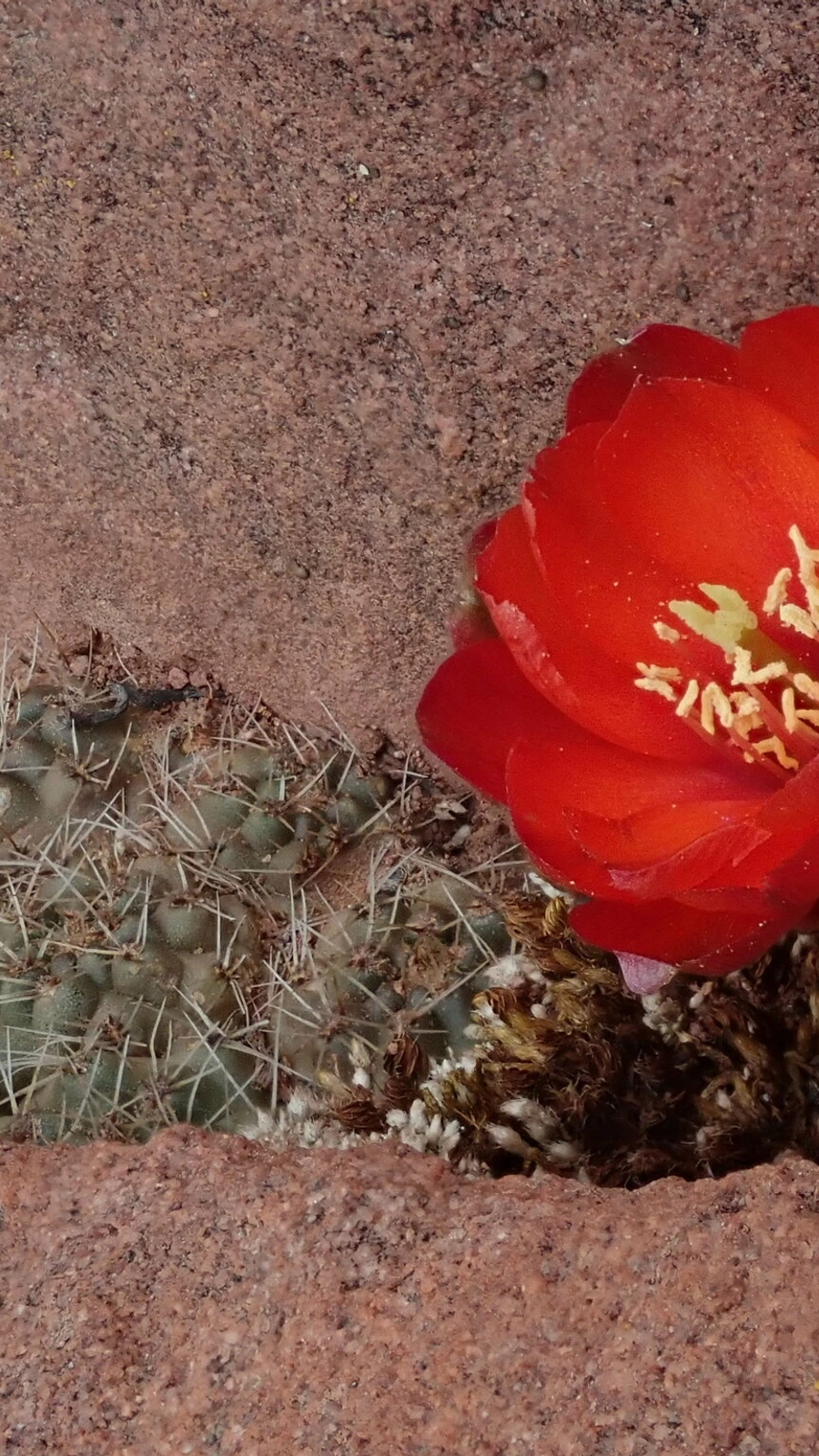
This species is native to the high-altitude montane tropical biomes of the Andes, spanning southern Bolivia and northwestern Argentina 1. In its natural habitat, it thrives in rocky crevices and gravelly soils under intense solar radiation.
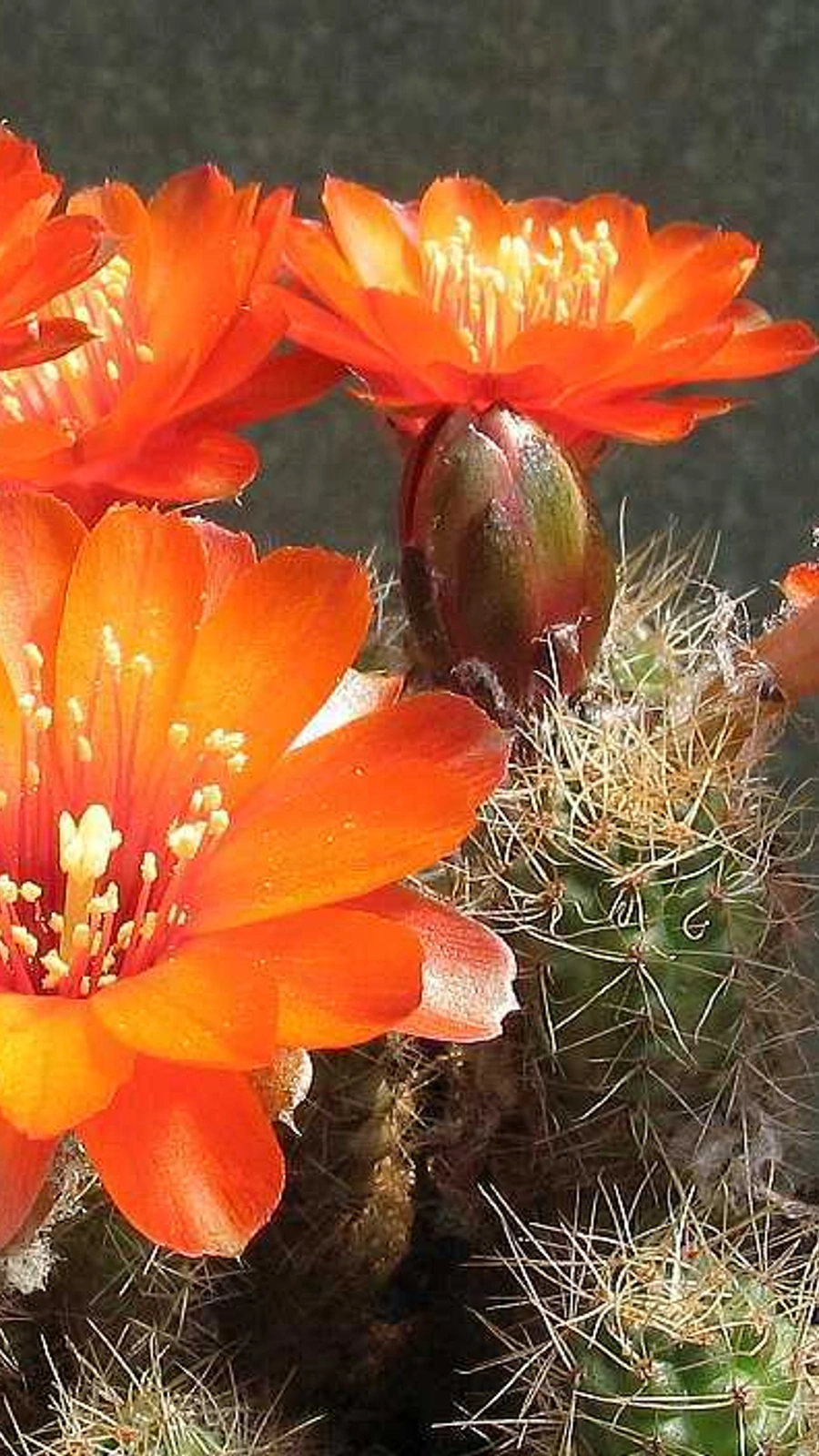
It features small, cylindrical to globose dark green stems that clump over time. The body is covered with fine, soft, grayish to brownish spines. During spring and early summer, brilliant funnel-shaped flowers in shades of orange, red, or pink erupt from the base of the stems 2.
Cultivation is straightforward. It requires bright, filtered sunlight and excellent ventilation. Water thoroughly only when the soil has dried out completely during summer, and keep almost dry in winter. It can tolerate brief cold spells down to -5°C if the soil is bone-dry 1.
The most frequent mistake is overwatering in poorly drained soil, which rapidly leads to root rot. Additionally, keeping the plant warm and wet during winter prevents the essential dormancy needed for spring flowering.
Prefers bright, filtered sunlight. Protect from intense, direct afternoon sun during hot summer days.
Water only when the substrate is completely dry. Keep dry in winter to encourage dormancy.
Requires excellent drainage; use a specialized mix with plenty of pumice, grit, and perlite.
Equipped with fine spines; handle with care. The plant is non-toxic to cats and dogs.
Very easy to grow as long as overwatering is avoided and cool winter rest is provided.
Occurs naturally in the high-altitude montane zones of the Andes across Bolivia and Northern Argentina, adapting to rocky, wind-swept gravelly slopes.
