
Light
Bright Indirect Light
Thrives in bright, sunny spots. Provide slight afternoon shade during intense summer heatwaves.
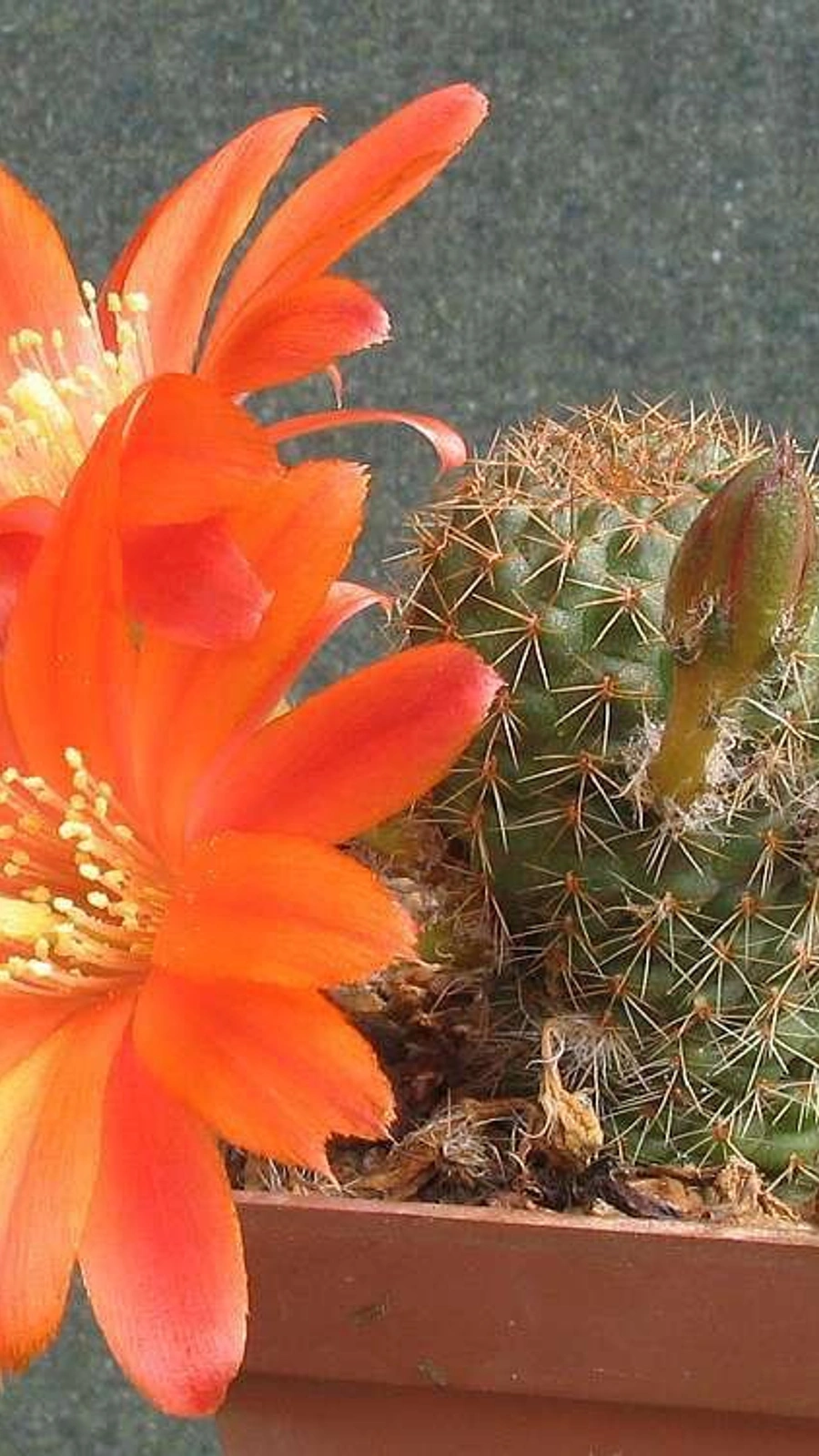 Reference image
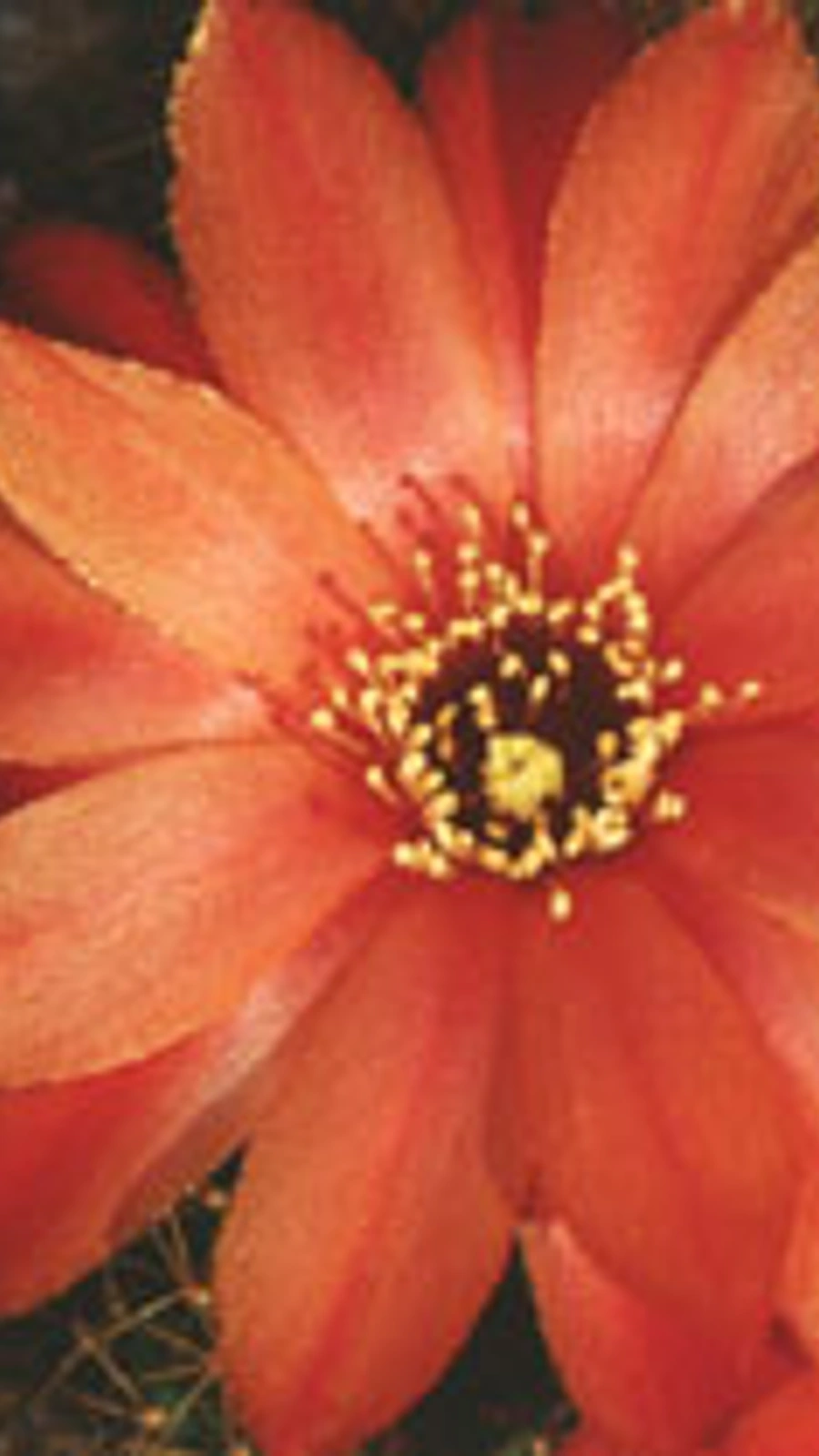 Reference image
Tarvita Aylostera
Aylostera tarvitaensis is a miniature, clustering succulent subshrub native to the dry valleys of Bolivia, highly prized by cactophiles for its vibrant orange-red blossoms and neat globose habit 1.
Belonging to the Cactaceae family, this species has been historically placed under the broader genus Rebutia. Today, taxonomic databases such as Kew's Plants of the World Online recognize Aylostera as a distinct genus 1. The specific epithet 'tarvitaensis' directly references Tarvita, the Bolivian municipality where the species was first discovered.
This cactus is endemic to the high-altitude rocky terrains and dry shrublands of Bolivia 2. It thrives in cracks of stony slopes, exposed to intense solar radiation, sharp day-and-night temperature fluctuations, and prolonged dry spells.
The stem is spherical to short cylindrical, clustering freely from the base to form small cushions 1. Spirally arranged tubercles are covered with numerous small, bristly whitish-grey spines. In late spring, numerous funnel-shaped, fiery orange-red flowers emerge from the lower parts of the stem.
It requires plenty of bright light, excellent ventilation, and a porous, mineral-based soil mix. Water thoroughly only when the substrate is completely dry. In winter, keep the plant dry and cool to simulate its natural dormancy period.
Overwatering and using dense, organic soils are the primary causes of root rot. Lack of a cool winter rest will also prevent the plant from producing its characteristic spring blooms.
Thrives in bright, sunny spots. Provide slight afternoon shade during intense summer heatwaves.
Water thoroughly once the substrate is 100% dry. Keep dry in winter to prevent rot and promote blooming.
Highly porous mineral mix with pumice, grit, and very low organic matter content.
Non-toxic to pets, but has fine spines that can cause physical irritation; keep out of reach of curious paws.
An easy-care cactus ideal for beginners, provided that dry winter conditions and good drainage are maintained.
Found naturally in the high-elevation rocky slopes and semi-arid scrublands of Bolivia, growing nestled among gravel and stones.
