
Light
Bright Indirect Light
Prefers bright, indirect or filtered sunlight. Protect from intense, direct midday summer sun to prevent scorching.
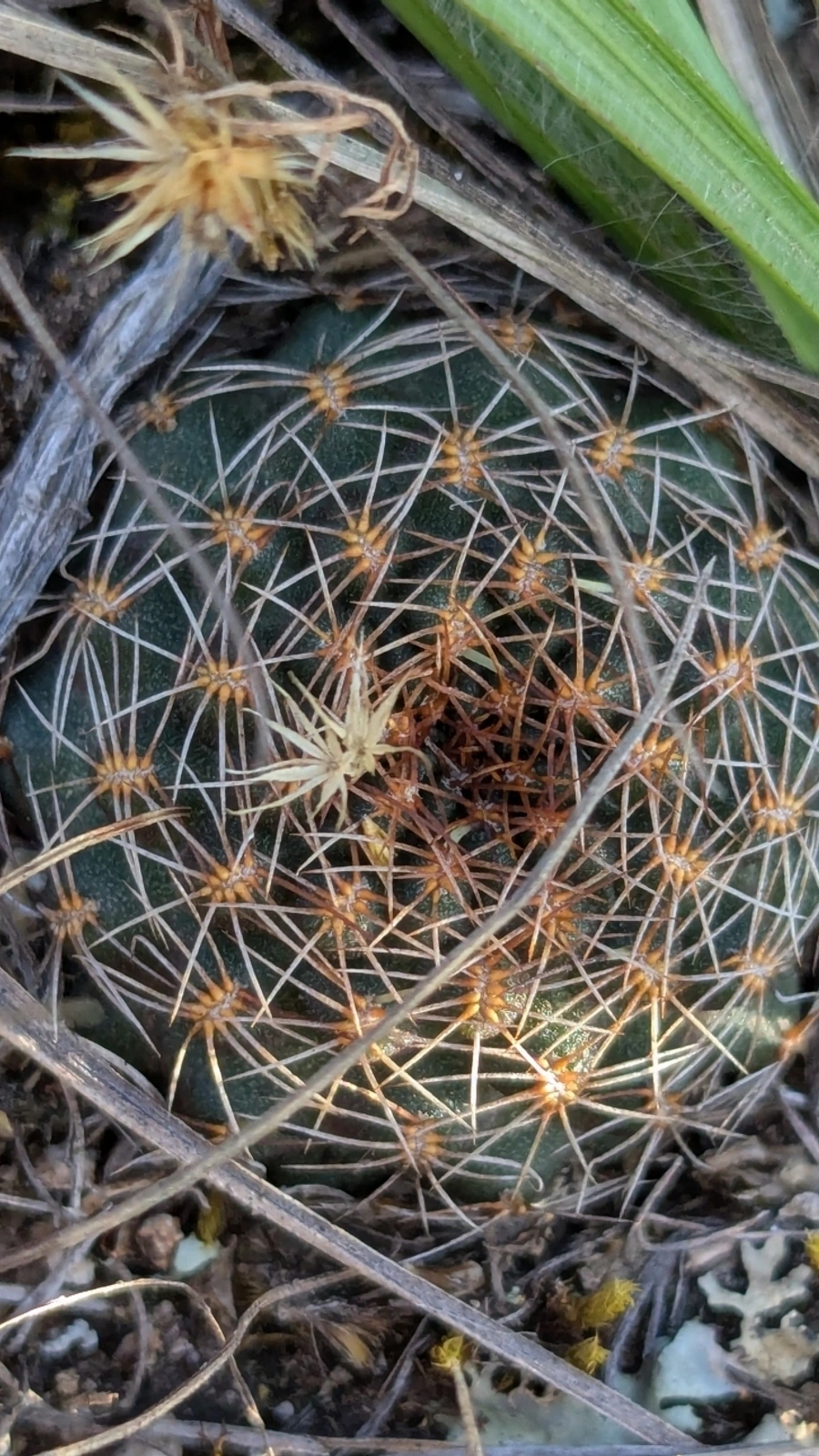 Reference image
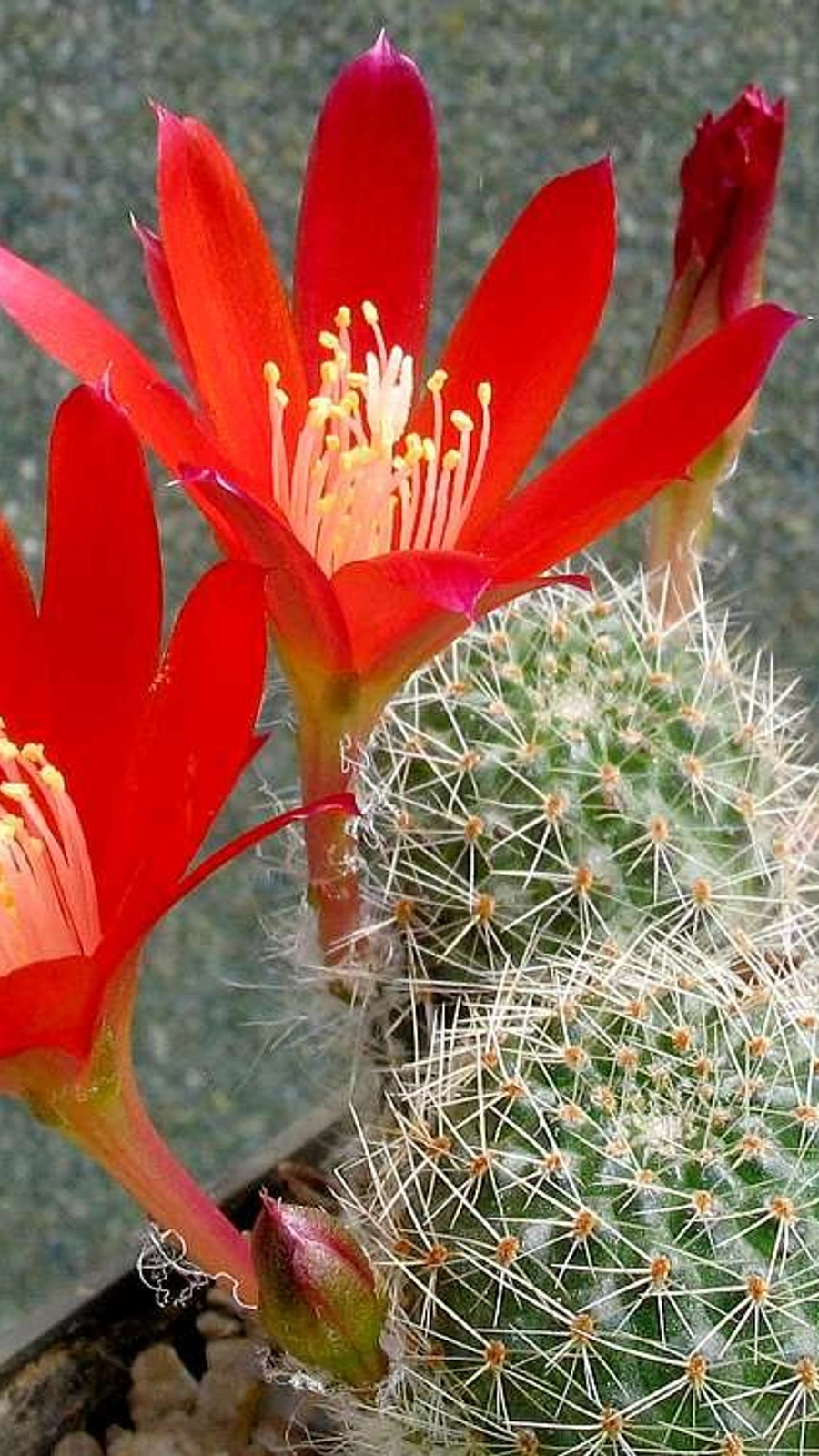 Reference image
Tuberous Aylostera
Aylostera tuberosa is a small, highly decorative globose cactus belonging to the family Cactaceae. Often categorized under the genus Rebutia by some enthusiasts, it is highly appreciated in cultivation for its compact growth habit, tuberous root system, and profuse showy flowers 1. It is an excellent choice for indoor collections and rock gardens.
Belonging to the genus Aylostera, this species is closely linked with the taxonomically complex Rebutia group 2. The specific epithet tuberosa highlights its prominent underground tuberous root system, an evolutionary adaptation developed to store moisture and nutrients during prolonged periods of drought in its native habitat.
This species is native to Southern America, specifically restricted to the mountainous regions of Bolivia 1. It naturally occurs in arid or dry shrublands, growing nestled among rocky outcrops, crevices, and steep slopes where water drains rapidly after brief rainfalls.
Aylostera tuberosa features small, globose to short-cylindrical green stems that readily offsets from the base to form tight cushions. The body is covered with tiny areoles bearing fine, white to pale brownish spines. During spring, it produces beautiful funnel-shaped flowers in shades of vibrant orange or red, emerging from the lower parts of the stem.
In cultivation, it thrives under bright, filtered sunlight with good ventilation. It requires a very porous, mineral-based soil mix to accommodate its sensitive tuberous root system 2. Watering should be moderate during the active spring and summer growing season and suspended almost entirely during winter.
Overwatering is the primary cause of failure, leading to rapid rot of the tuberous roots. Keeping the plant in a warm, dark spot during winter prevents it from entering its necessary dormancy, which subsequently inhibits spring flowering.
Prefers bright, indirect or filtered sunlight. Protect from intense, direct midday summer sun to prevent scorching.
Water thoroughly in summer after the soil drys out completely, and keep almost bone-dry throughout the winter.
Requires an extremely fast-draining mineral substrate with a high percentage of pumice, lava grit, or coarse sand.
Has fine, small spines that can cause minor skin irritation but is non-toxic to humans and common pets.
Very easy to grow as long as overwatering is avoided and a cool, dry winter rest period is provided.
Naturally occurs in high-altitude rocky slopes, gravelly crevices, and dry shrubby montane areas of Bolivia.
