
Light
Bright Indirect Light
Requires bright, filtered sunlight; avoid harsh midday sun on young plants.
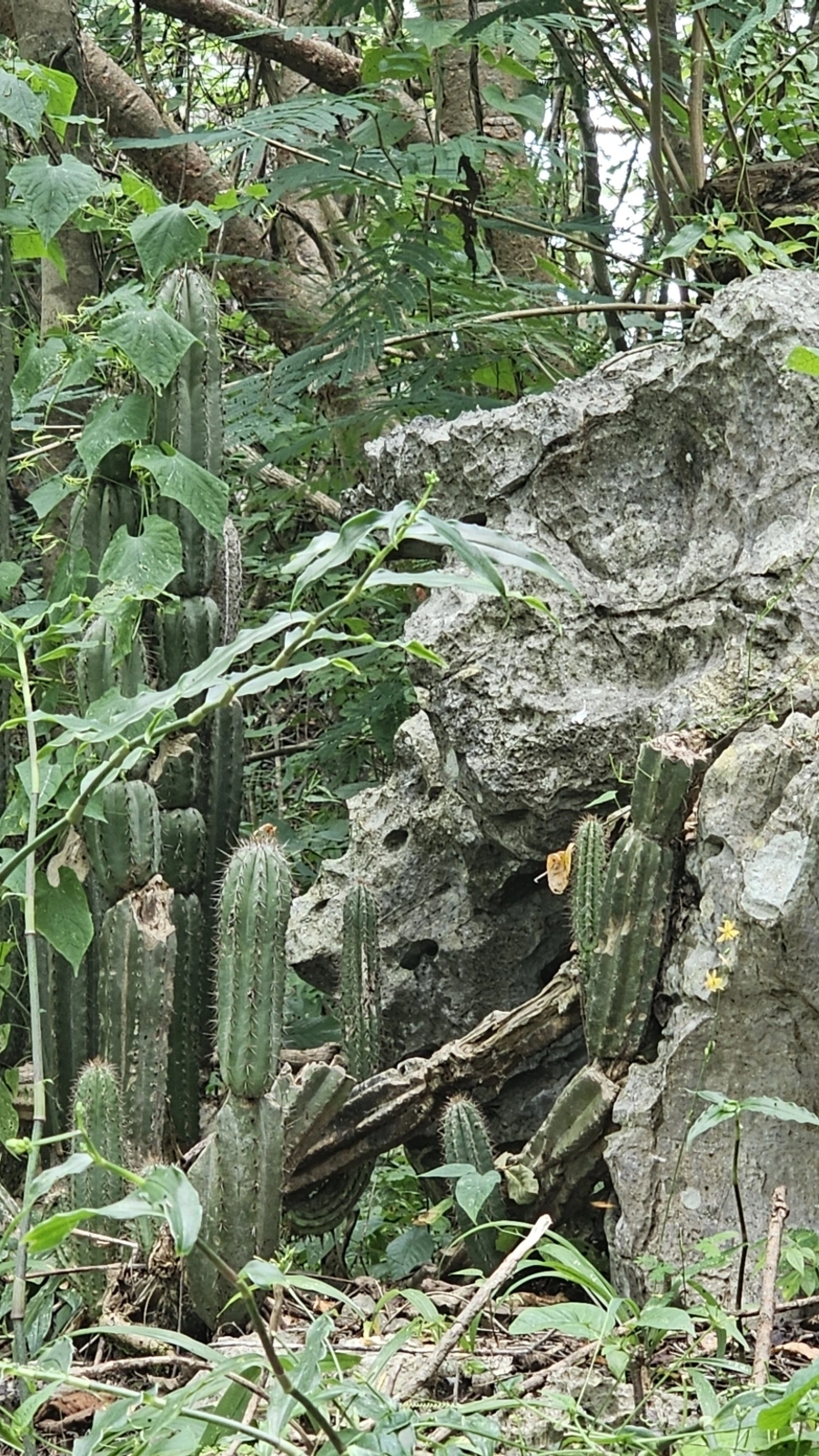 Reference image
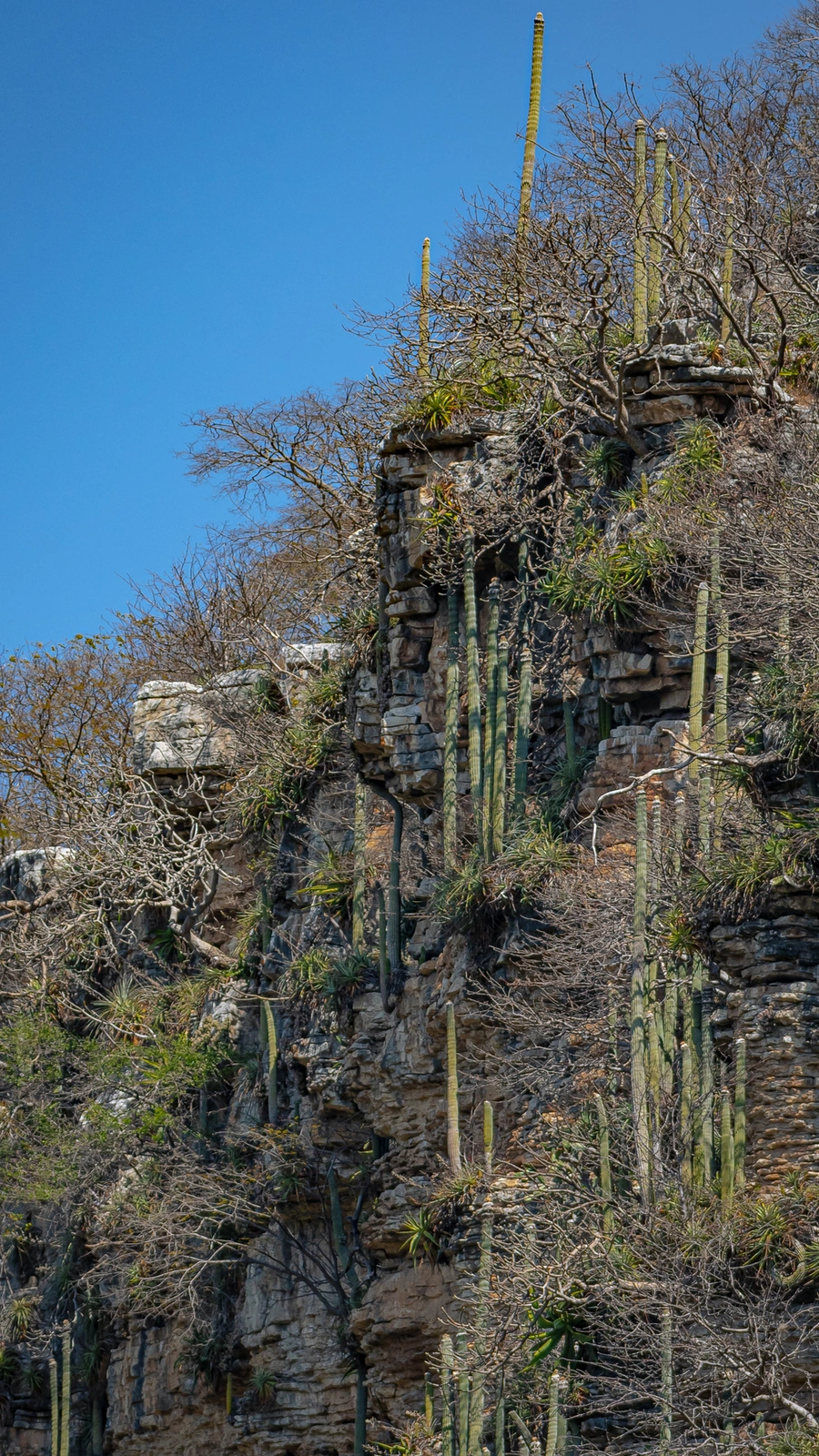 Reference image
Apical Cephalium Cactus
Cephalocereus apicicephalium is a remarkable, columnar succulent shrub belonging to the family Cactaceae. Known for developing a dense, woolly cephalium at the absolute apex of its mature stems, this plant bears significant structural appeal for collectors. It forms branched or single columns that host nocturnal flowers within its protective woolly cap 1.
Classified within the genus Cephalocereus, the specific epithet apicicephalium derives from the Latin "apex" (tip/top) and Greek "kephale" (head), referencing the terminal woolly structure where flowering occurs 2. It is distinct from other cephalium-bearing cacti by its specific branch arrangement and spine patterns.
This species is native to southern Mexico, with key populations located in Oaxaca, Chiapas, and Guerrero. It thrives in seasonally dry tropical biomes, typically clinging to steep limestone cliffs, rocky slopes, and deciduous dry forests where drainage is instantaneous 3.
The stems are grey-green to dull green, carrying multiple ribs lined with closely spaced areoles and sharp, yellowish-brown spines. Upon reaching maturity, the apex transforms, producing a thick, yellowish-white woolly mass. Small, funnel-shaped nocturnal flowers emerge from this apical cephalium.
It requires bright, indirect sunlight or filtered light to thrive without scorching. Well-draining, mineral-based soils are mandatory. Watering must follow the "soak and dry" method, allowing the substrate to dry out entirely between waterings. In winter, moisture should be kept to an absolute minimum.
Overwatering and placing the plant in heavy, peat-rich soils are the primary causes of root rot. Lack of ventilation combined with high humidity and low temperatures in winter will lead to rapid fungal decline 3.
Requires bright, filtered sunlight; avoid harsh midday sun on young plants.
Water only when the soil is dry to the touch. Keep dry in winter.
Requires extremely well-draining soil mixed with pumice, grit, and sand.
Equipped with sharp spines. Keep out of reach of children and pets.
Moderately difficult due to strict watering needs and rot sensitivity.
Endemic to the seasonally dry tropical forests of Southern Mexico, particularly thriving on rocky limestone cliffs across Oaxaca and Chiapas.
