
Scientific taxonomy article
Auto-generated taxonomy record for Cephalocereus.
Cephalocereus
Auto generated taxonomy record for Cephalocereus.
Auto-generated taxonomy record for Cephalocereus.

Cephalocereus apicicephalium
Cephalocereus apicicephalium is a remarkable, columnar succulent shrub belonging to the family Cactaceae. Known for developing a dense, woolly cephalium at the absolute apex of its mature stems, this plant bears significant structural appeal for collectors. It forms branched or single columns that host nocturnal flowers within its protective woolly cap .

Cephalocereus columna-trajani
Cephalocereus columna trajani is a magnificent, giant columnar cactus belonging to the Cactaceae family. Known for its striking single column silhouette and lateral pseudocephalium, this slow growing species is a iconic representative of North American desert flora .

Cephalocereus euphorbioides
Cephalocereus euphorbioides is an upright, columnar cactus species belonging to the family Cactaceae. Reaching impressive heights in its native desert habitats, this species derives its specific epithet from its striking morphological resemblance to certain succulent Euphorbia species . It is highly valued as a structural architectural plant in xeriscapes and succulent collections.

Cephalocereus fulviceps
Cephalocereus fulviceps is a monumental, tree like columnar cactus belonging to the Cactaceae family. Highly prized by collectors, it is renowned for producing a dense, golden brown woolly cap called a pseudocephalium at the top of its mature stems, from which flowers emerge .
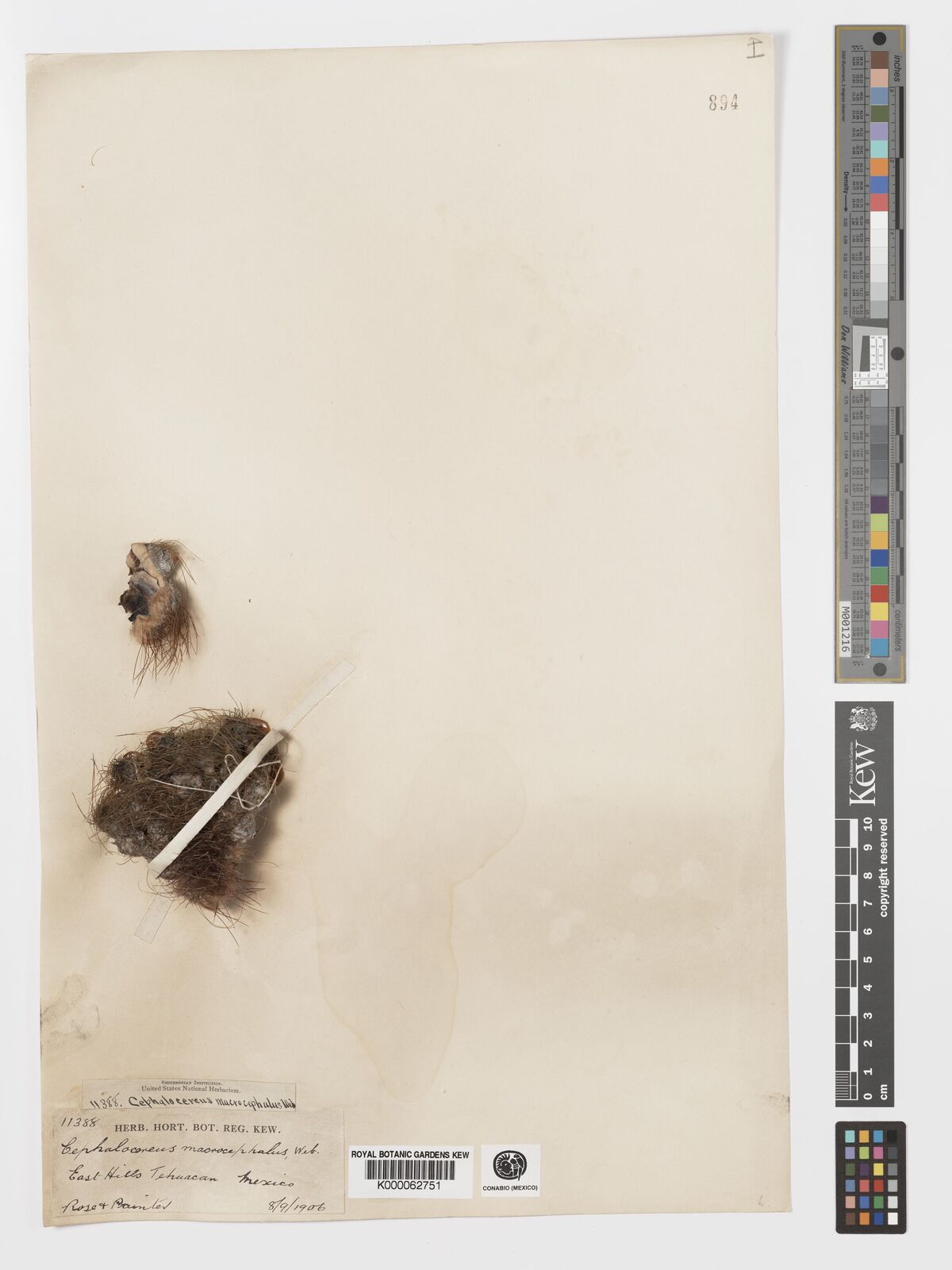
Cephalocereus macrocephalus
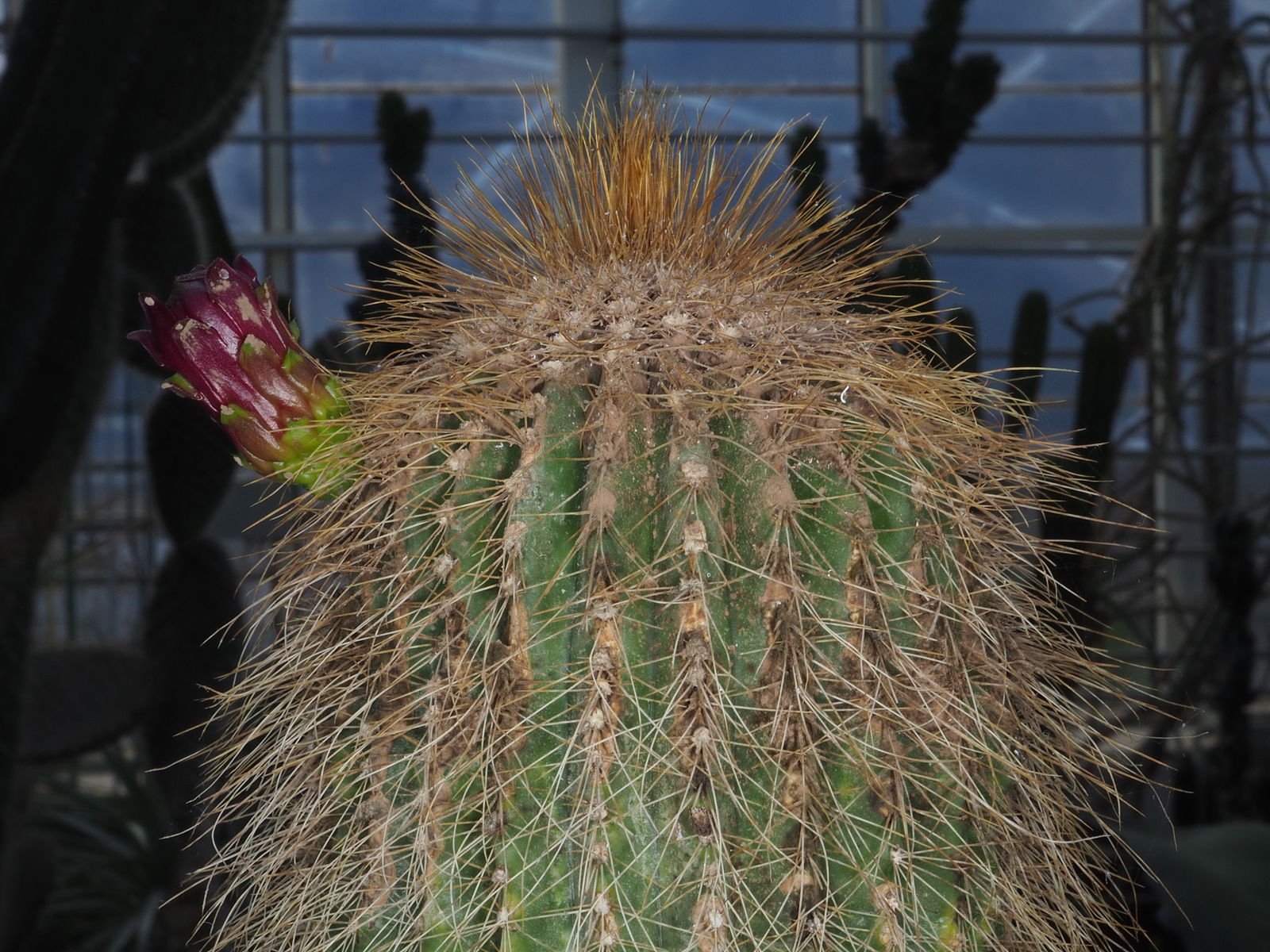
Cephalocereus macrocephalus is a massive, arborescent columnar cactus belonging to the family Cactaceae. In its native habitats, it stands as a dominant forest forming giant, famous for its stout trunk and the dense, woolly pseudocephalium at the stem tips .

Cephalocereus mezcalaensis
Cephalocereus mezcalaensis is a majestic, columnar, tree like cactus species belonging to the Cactaceae family. Renowned for its imposing stature and structural beauty, this species is a staple of arid landscape designs and specialized succulent collections worldwide. It is characterized by slow growth and exceptional resilience against drought .

Cephalocereus novus
Cephalocereus novus is a prominent, column like succulent tree belonging to the family Cactaceae. Known for its upright growing habit, this species is highly appreciated among cactus collectors for its majestic form and resilience in arid conditions.

Cephalocereus nudus
Cephalocereus nudus is a majestic, columnar, perennial cactus species native to the arid valleys of Mexico. Known for its treelike succulent growth habit, it plays a vital role in its native desert ecosystem . It is highly prized in cultivation for its architectural, minimalist silhouette.
Cephalocereus parvispinus
Cephalocereus parvispinus is a majestic columnar cactus native to the seasonally dry tropical regions of Mexico. Characterized by its ribbed stems and inconspicuous spines, it is highly valued by collectors.
Cephalocereus polylophus
Cephalocereus polylophus (often known by its synonym Neobuxbaumia polylopha ) is a majestic, single stemmed columnar cactus native to Mexico . Renowned for its impressive stature and neat ribs, it serves as a dominant architectural feature in desert landscapes and specialized succulent collections worldwide.

Cephalocereus scoparius
Cephalocereus scoparius is an impressive, tree like columnar cactus belonging to the family Cactaceae. Known for its structural grandeur, it thrives as a succulent tree in seasonally dry tropical environments.
Cephalocereus senilis
The Cephalocereus senilis , commonly known as the Old Man Cactus, is an iconic and highly recognizable member of the cactus family (Cactaceae). It derives its name from the dense covering of long, white, hair like bristles that resemble an old man's beard. Native to the arid regions of Mexico, this species exhibits a columnar growth habit and can reach impressive heights of up to 15 meters (50 feet) in its natural environment .
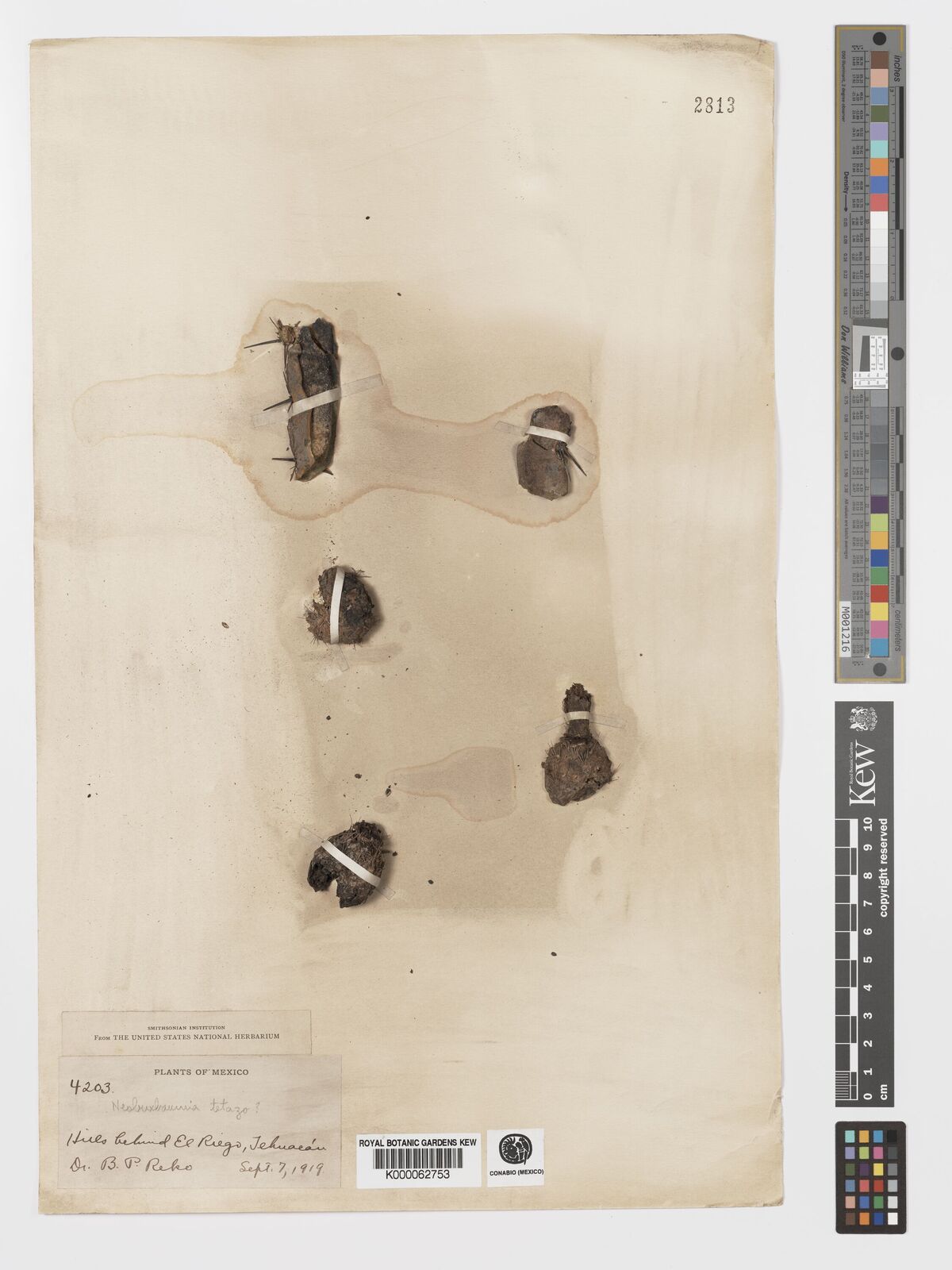
Cephalocereus tetetzo
Cephalocereus tetetzo is a majestic, arborescent columnar cactus species endemic to the arid valleys of Mexico . It is one of the most ecologically dominant and iconic plants of the Tehuacán Cuicatlán Valley, known for its extremely slow growth and massive candelabra like branching over many decades.
