
Light
Full Sun
Requires full, direct sun; insufficient light leads to weak, thin growth.
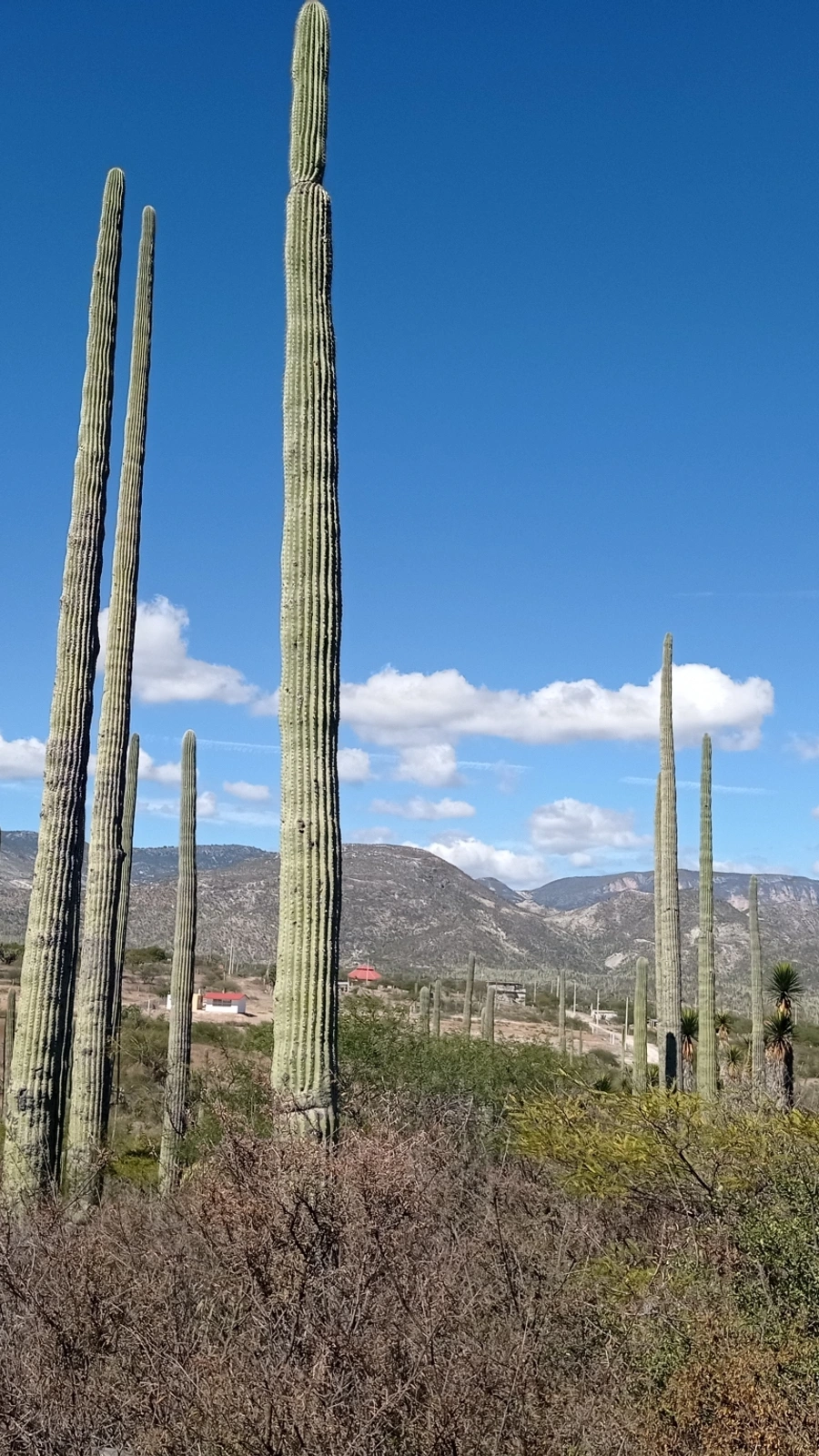 Reference image
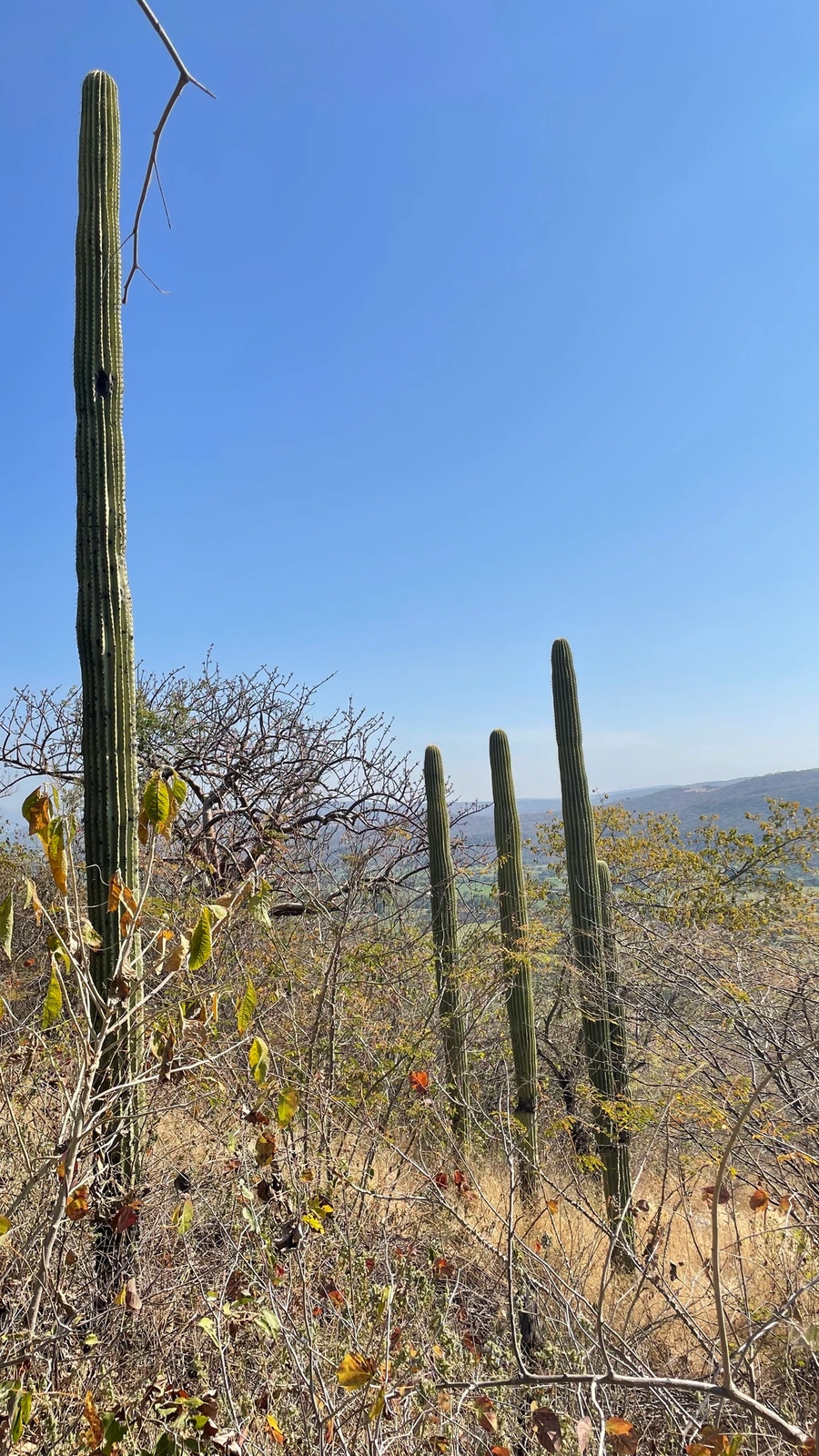 Reference image
Mezcala Organ Pipe Cactus
Cephalocereus mezcalaensis is a majestic, columnar, tree-like cactus species belonging to the Cactaceae family. Renowned for its imposing stature and structural beauty, this species is a staple of arid landscape designs and specialized succulent collections worldwide. It is characterized by slow growth and exceptional resilience against drought 1.
Scientifically described from specimens collected in the Mezcala River basin of Mexico, this species has been historically categorized under Neobuxbaumia mezcalaensis. Its modern classification places it firmly within the genus Cephalocereus due to its developmental and floral characteristics 2.
This species is endemic to southern and central Mexico, including the states of Guerrero, Oaxaca, Puebla, Morelos, and Jalisco. It thrives in dry deciduous forests, matorral shrublands, and on steep limestone slopes at elevations ranging from 400 to 1,400 meters above sea level 1.
Initially growing as a single columnar stem, it eventually branches to form a tree-like silhouette. The stems are matte green to glaucous-green, featuring 13 to 25 prominent vertical ribs. The sharp, rigid spines emerge from woolly areoles and vary in color from yellowish-grey to black. Mature specimens produce a pseudocephalum at the apex from which nocturnal, funnel-shaped, pinkish-white flowers emerge 2.
In cultivation, it requires maximum sunlight exposure and excellent air circulation. Watering should follow a strict soak-and-dry method during spring and summer, while moisture must be completely withheld in the winter months. A highly mineral, porous soil substrate is essential to prevent root rot.
Overwatering is the single most common cause of failure, quickly leading to root and stem rot. Placing the plant in low-light environments causes etiolation, where the stem becomes thin, weak, and pale 1.
Requires full, direct sun; insufficient light leads to weak, thin growth.
Water only when the substrate is 100% dry; keep dry in winter.
Use a mineral-rich cactus mix with high concentrations of pumice and grit.
Equipped with sharp, stiff spines. Keep out of reach of children and pets.
Very easy to care for, provided you avoid overwatering and heavy soils.
Native to the arid canyons, deciduous scrublands, and rocky limestone cliffs of southern and central Mexican states.
