
Light
Full Sun
Requires full sun or very bright direct light to maintain robust stem growth and spine density.
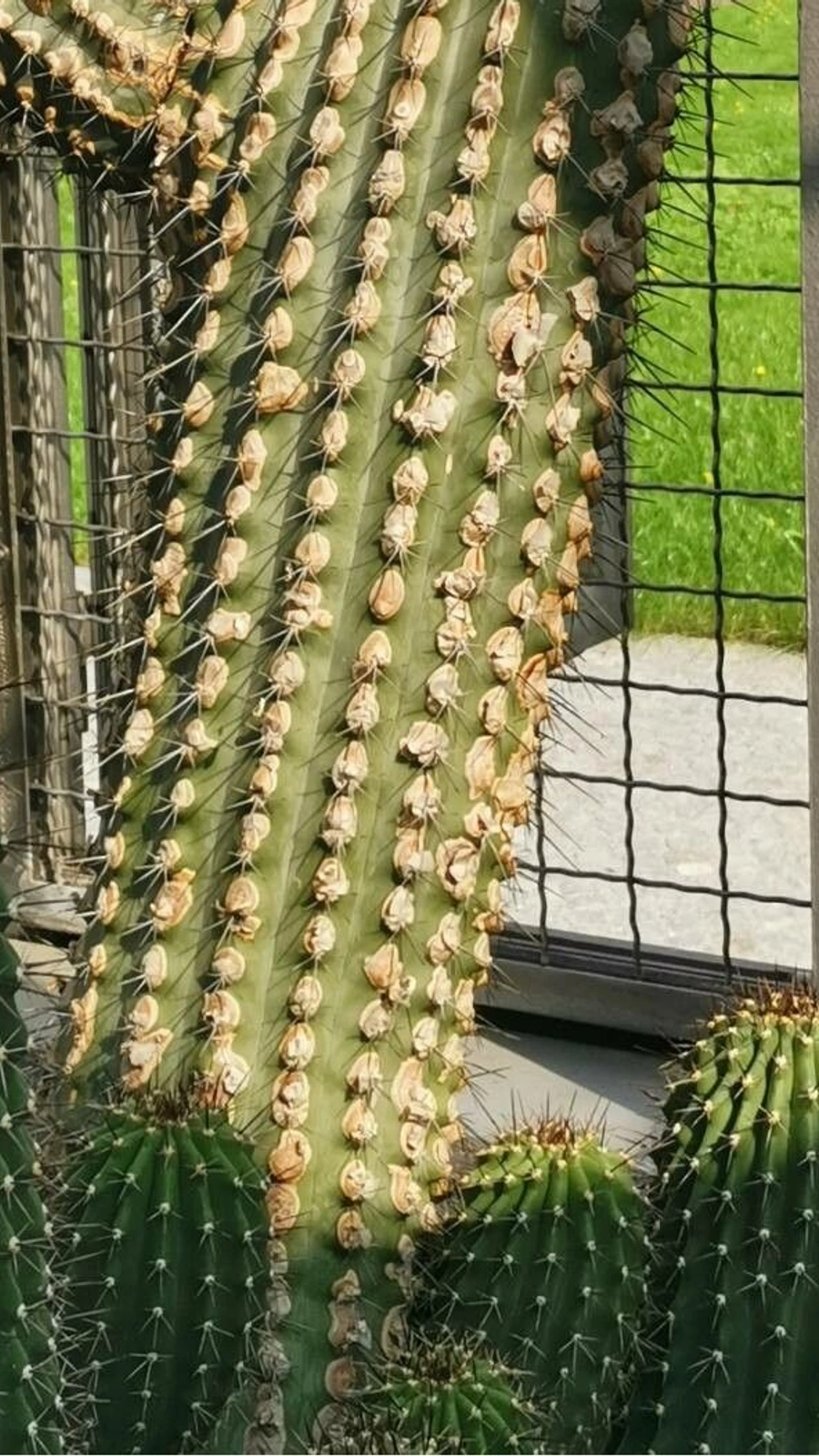 Reference image
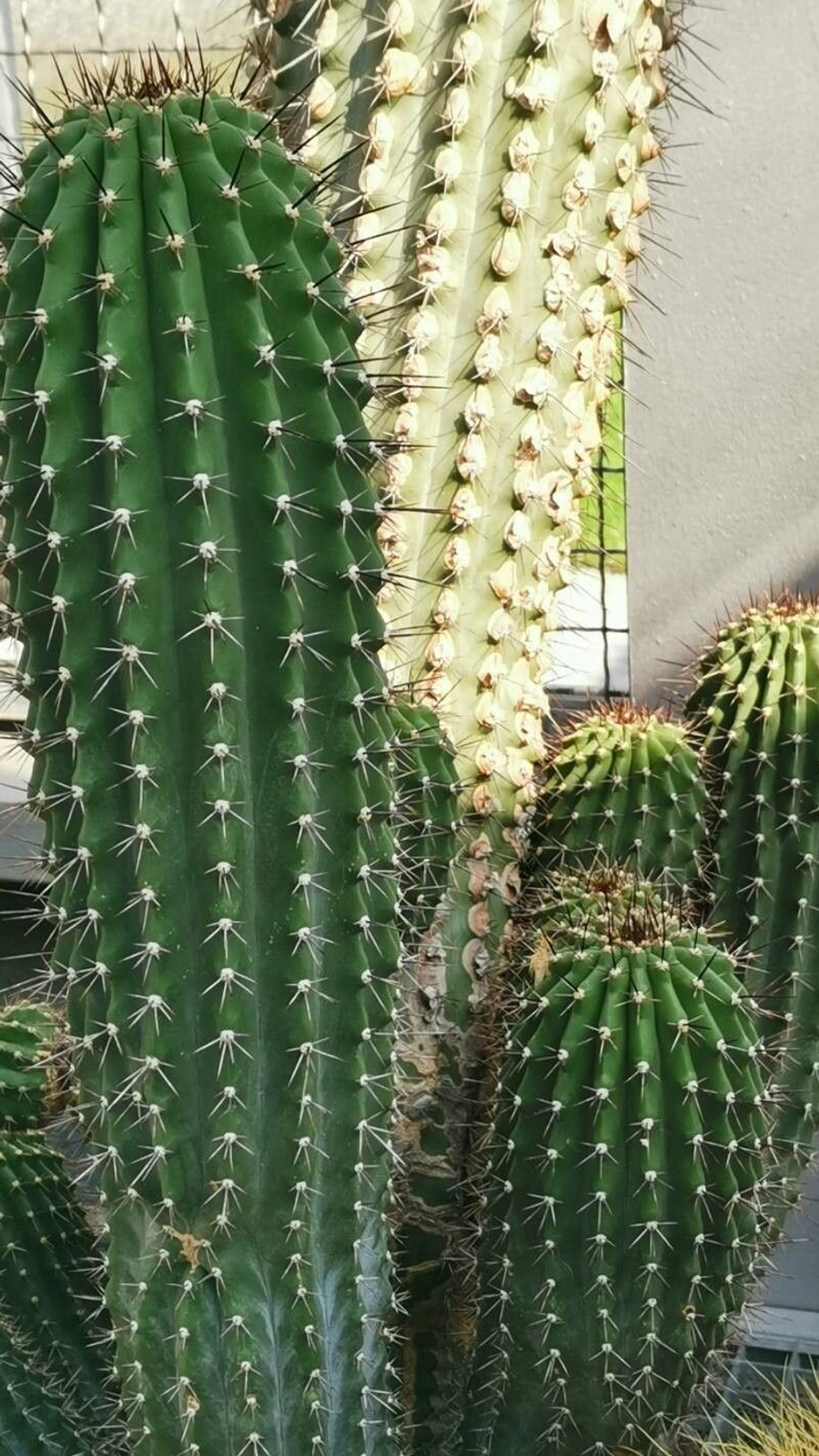 Reference image
Mexican Broom Cactus
Cephalocereus scoparius is an impressive, tree-like columnar cactus belonging to the family Cactaceae. Known for its structural grandeur, it thrives as a succulent tree in seasonally dry tropical environments.
Originally described in 1838, the specific epithet 'scoparius' derives from Latin, meaning 'broom-like,' referring to the upright, dense branching pattern of mature specimens 1. It is taxonomically placed within the Cephalocereus genus, though it has historical synonomies with Neobuxbaumia 2.
This species is endemic to Mexico, with significant populations distributed across the states of Veracruz, Oaxaca, Michoacán, Guerrero, and Jalisco 1. It inhabits deciduous tropical forests and rocky slopes where it withstands prolonged dry seasons.
In the wild, it can reach heights of up to 10-12 meters, presenting a heavily branched, candelabra-like silhouette. The stems are deep green with distinct ribs, lined with sharp spines and woolly areoles. The nocturnal flowers are pale pink or cream-colored, developing on mature stems.
In cultivation, it is a slow-growing plant preferred by collectors for its architectural form. It requires maximum sunlight, extremely porous soil, and a strict watering schedule that mimics its native arid cycle.
Overwatering is the primary cause of failure. Heavy soils that retain moisture will rapidly lead to root rot 2. Additionally, keeping the plant in drafty, damp, and cold conditions during winter can induce fungal infections and necrosis.
Requires full sun or very bright direct light to maintain robust stem growth and spine density.
Allow the substrate to dry completely between waterings. Suspend watering during winter.
Highly porous mineral mix containing pumice, perlite, and coarse sand with very little organic matter.
Equipped with sharp, rigid spines. Keep out of reach of children and curious pets.
Moderate care level. Success relies heavily on avoiding overwatering and providing enough light.
Native to the dry, seasonal tropical forests of southern and western Mexico, including Veracruz, Oaxaca, Jalisco, and Guerrero, where it grows on steep volcanic slopes.
