
Light
Bright Indirect Light
Requires bright indirect light or filtered sun; tolerates some direct morning sunlight.
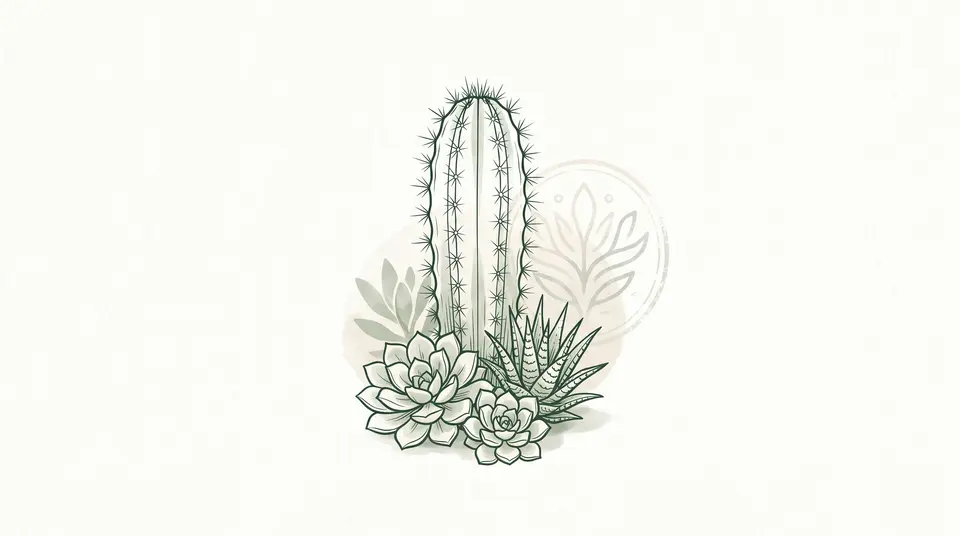 Reference image
White-bristly Columnar Cactus
Cereus albisetosus is a rare and highly ornamental columnar cactus in the Cactaceae family. Distinguished by its bright green stems adorned with soft, white bristly spines, this species adds a unique, tactile element to succulent collections and arid-themed conservatories.
Originally described by Otto and published by Salm-Dyck, the species Cereus albisetosus derives its specific epithet from the Latin words for 'white' and 'bristle' (setose) 1. This refers to the fine, hair-like white spines clustering around its prominent areoles.
This cactus is native to the Caribbean region, particularly the Dominican Republic, and parts of northern South America 2. It thrives in tropical dry forests, rocky outcrops, and thin soils where drainage is exceptional and sunlight is abundant.
The plant features an erect, ribbed cylindrical stem. The margins of the ribs bear areoles densely packed with white, thin, needle-like or hair-like spines. Nocturnal, large white flowers bloom from the sides of the stems, followed by fleshy, decorative fruits.
In cultivation, Cereus albisetosus prefers bright, filtered sunlight and excellent air circulation. The potting medium must dry out completely between waterings. During winter, watering should be reduced to almost zero to prevent rot in cooler temperatures.
The most prevalent issue is root rot caused by waterlogged soil or lack of drainage holes. Inadequate light levels can also cause etiolation, where the stem becomes weak, pale, and unnaturally thin as it stretches toward light.
Requires bright indirect light or filtered sun; tolerates some direct morning sunlight.
Allow soil to dry out 100% before watering. Typically every 10 days in summer, 25 in winter.
Highly porous cactus soil enriched with pumice, perlite, and coarse sand.
Bristles look soft but can still irritate skin. Keep out of reach of curious pets.
Very easy to maintain as long as overwatering and poor drainage are avoided.
Native to dry coastal regions and tropical deciduous forests of the Caribbean, notably the Dominican Republic, where it grows in rocky terrains with high drainage.
