
Light
Bright Indirect Light
Prefers bright, indirect light or filtered sun, requiring at least 5-6 hours of daily light.
 Reference image
 Reference image
Alex-Bragae Columnar Cactus
Cereus alex-bragae is a rare and striking succulent tree belonging to the Cactaceae family. Characterized by its upright, columnar growth habit, this species eventually develops a tree-like structure in its natural habitat, highly adapted to seasonal drought 1.
This species is classified under the genus Cereus. Named in honor of regional botanical contributors in Brazil, it is distinguished from its close relatives by unique rib counts, spine arrangement, and specific floral characteristics 2.
Native to Brazil, Cereus alex-bragae is primarily found in regions such as Distrito Federal (DF), Mato Grosso (MT), Mato Grosso do Sul (MS), and Goiás (GO). It thrives in seasonally dry tropical biomes, often growing in rocky outcrops and sandy soils within the Cerrado savanna ecosystem 1.
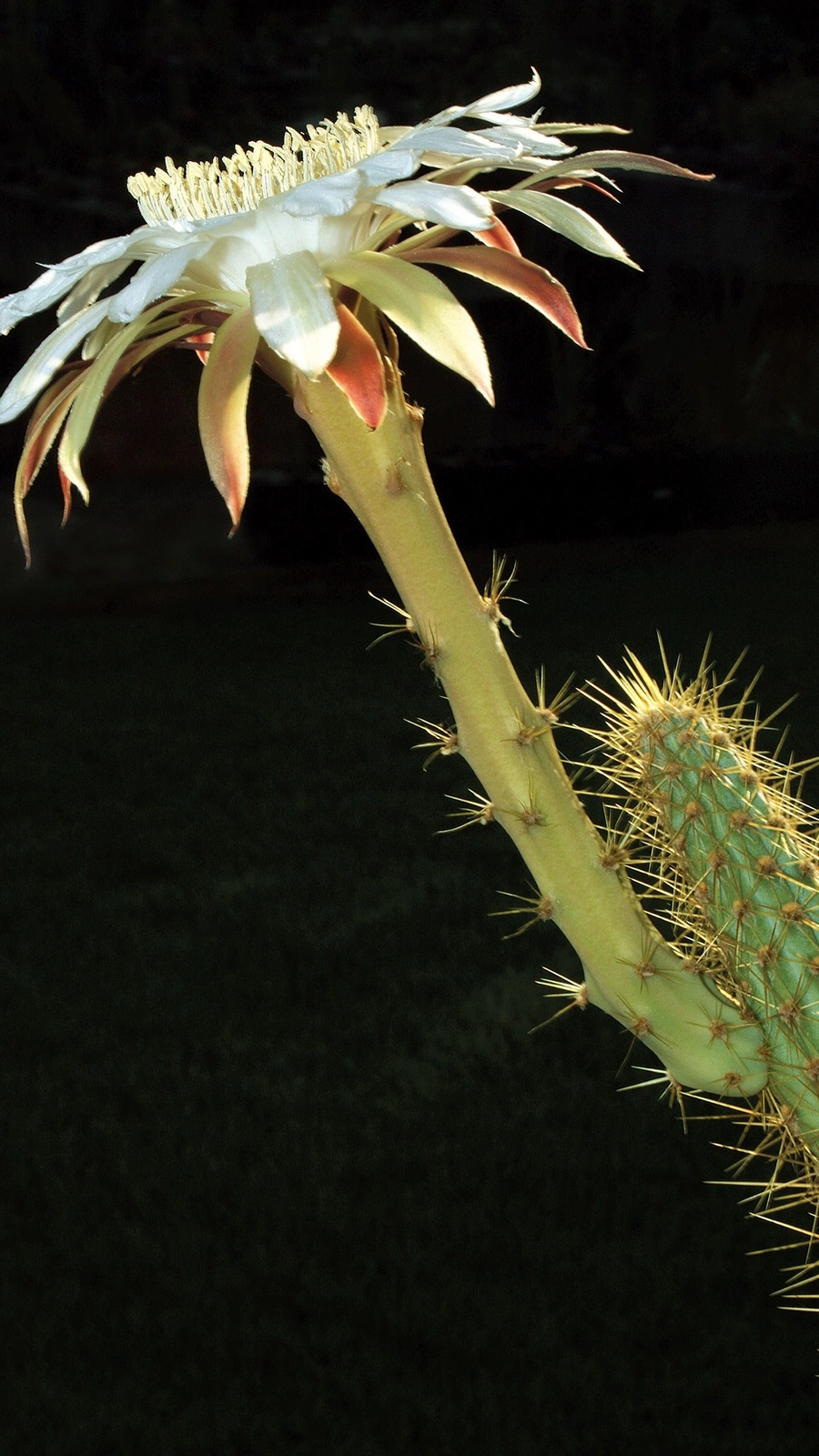
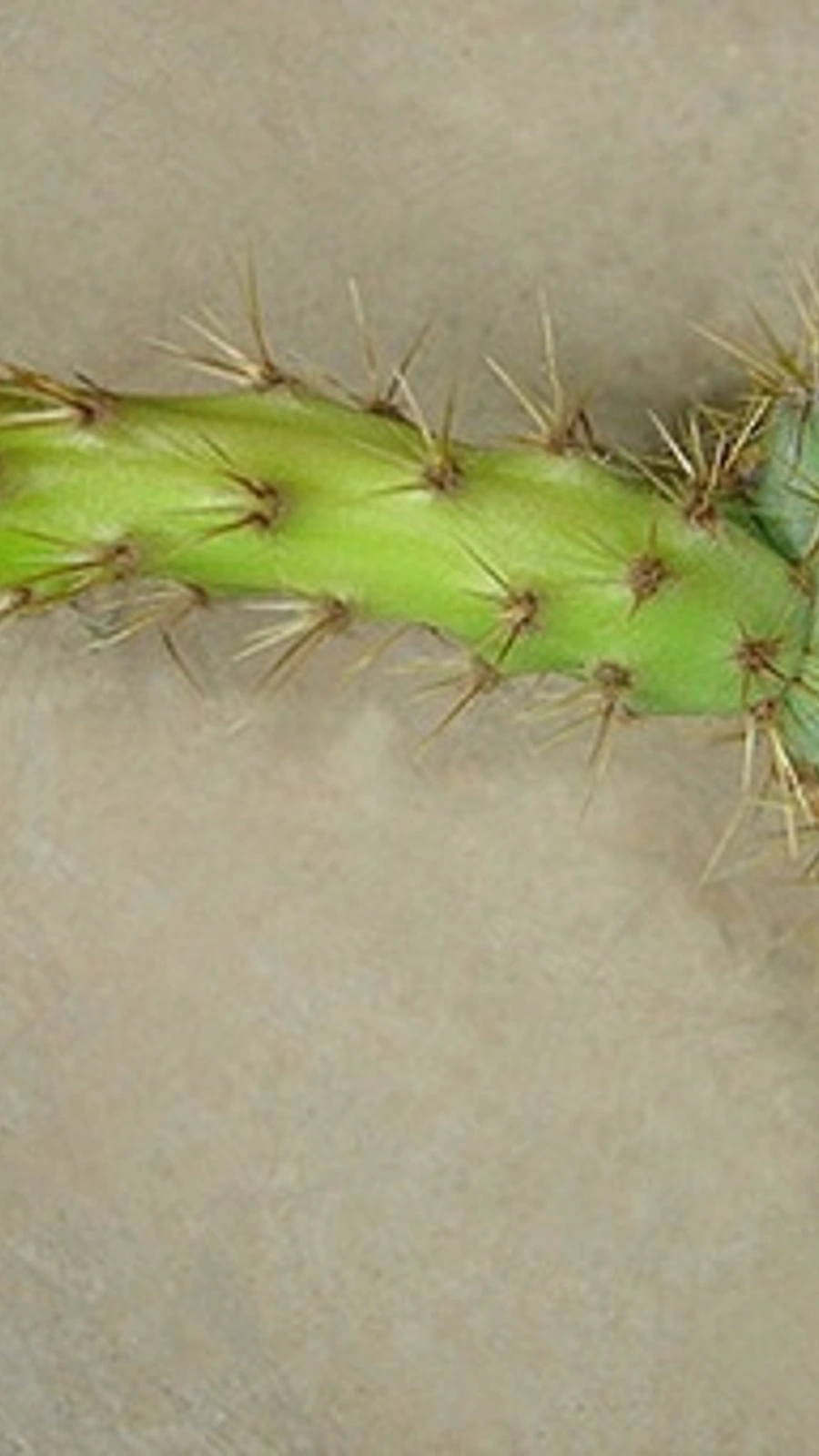
The stems of this cactus are bluish-green to grayish-green with prominent vertical ribs. Prominent areoles along these ribs bear sharp, pale brown to greyish spines. Under optimal mature conditions, it produces large, nocturnal white flowers designed to attract nocturnal pollinators.
In cultivation, it requires highly porous, mineral-rich soil with excellent drainage. Water thoroughly during spring and summer only when the substrate is completely dry. In winter, reduce watering to a absolute minimum to mimic its native dry season 2.
The most prevalent issue is root rot caused by overwatering or poorly draining soil. Additionally, insufficient light leads to etiolation, causing the stems to grow thin, weak, and pale.
Prefers bright, indirect light or filtered sun, requiring at least 5-6 hours of daily light.
Water only after the substrate is dry all the way through, avoiding any standing water.
Use a mineral-rich cactus soil mixed with plenty of pumice, lava rock, and coarse sand.
Features sharp spines; keep out of reach of children and domestic pets.
Moderate care level; highly resilient if overwatering is strictly avoided.
Native to the dry-season tropical areas of Brazil, growing naturally on rocky substrates and dry sandy savannas of the Cerrado.
